
“`html
The Aadhaar Debate: Curtis Yarvin, Identity Systems, and the Rise of Biometric nationalism
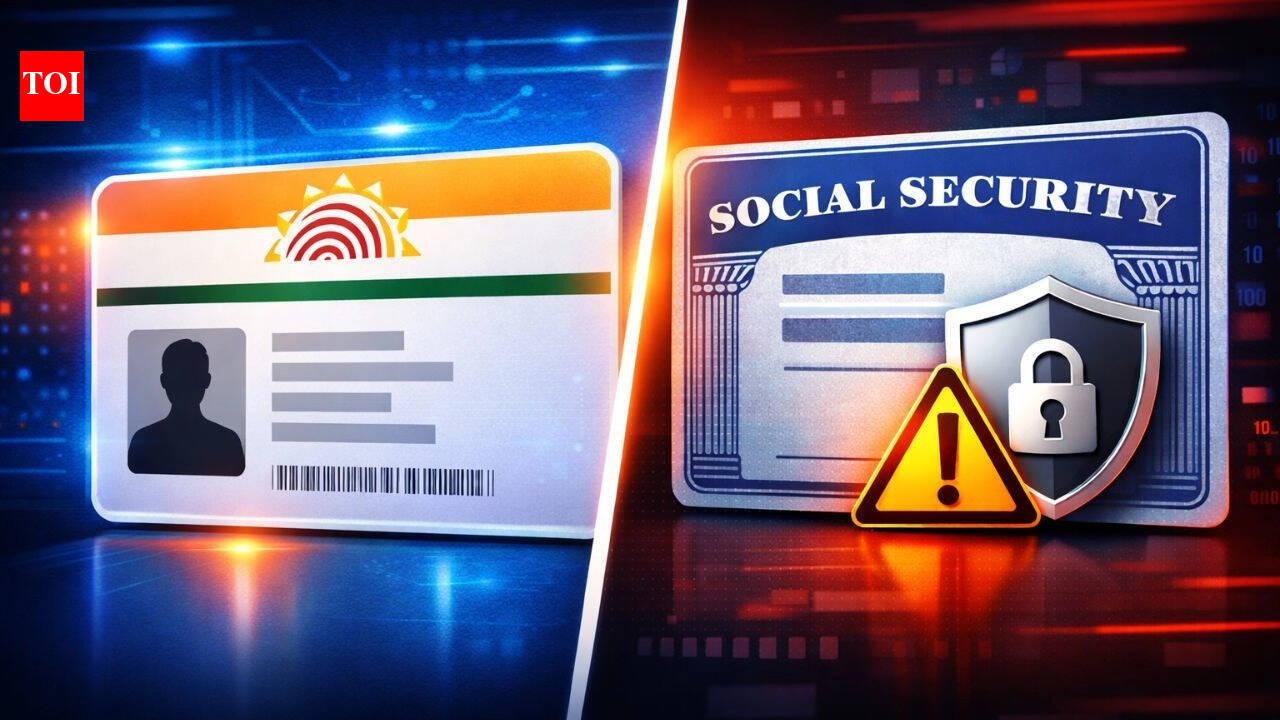
A recent online exchange involving far-right political writer Curtis Yarvin has ignited a debate about the strengths and weaknesses of national identity systems, specifically focusing on India’s Aadhaar program and the US Social Security number (SSN). Yarvin’s comments,praising Aadhaar’s biometric verification while simultaneously employing a derogatory slur towards India,have sparked widespread condemnation. This incident, however, transcends a single offensive remark. It highlights a growing, and possibly dangerous, fascination wiht biometric identification systems among certain political ideologies, and raises critical questions about data privacy, security, and the potential for discrimination.
Understanding Aadhaar: A Deep Dive
What is aadhaar?
Aadhaar is a 12-digit unique identity number issued to all Indian residents based on their biometric and demographic data. Launched in 2009, it was initially envisioned as a means to improve service delivery, reduce fraud, and ensure that benefits reach intended recipients. The system collects fingerprints, iris scans, and photographs, storing this data in a centralized database managed by the Unique Identification Authority of India (UIDAI).
How Aadhaar works: A Technical Overview
The Aadhaar system operates on a layered architecture. When an individual attempts to authenticate themselves using Aadhaar, the process typically involves:
- Biometric Capture: The individual’s fingerprint or iris scan is captured by an authentication device.
- Encryption & Transmission: This biometric data is encrypted and transmitted to the UIDAI’s authentication servers.
- Matching: The UIDAI compares the submitted biometric data with the data stored in its database.
- Authentication Response: The UIDAI sends a “yes/no” authentication response back to the requesting entity (e.g.,a bank,telecom provider). Crucially, the actual biometric data is not shared with the requesting entity.
Aadhaar also supports demographic authentication (using name, address, and date of birth) but biometric authentication is considered more secure.
Aadhaar’s Impact: Benefits and Concerns
Aadhaar has undeniably brought several benefits to India:
- Financial Inclusion: Enabled millions to open bank accounts and access financial services.
- direct Benefit Transfer: Streamlined the delivery of government subsidies and benefits, reducing leakage and corruption.
- Simplified KYC: Simplified the “Know Your Customer” process for various services.
however, the system has also faced significant criticism:
- Data Privacy: Concerns about the security of the centralized database and the potential for misuse of personal data.
- Exclusion: Difficulties faced by individuals without fingerprints or with biometric data that doesn’t match the database.
- Function Creep: The expanding scope of Aadhaar’s use, beyond its original intent, raising concerns about surveillance.
- Security Breaches: Reports of data breaches and vulnerabilities in the system.
The US SSN: A System Built on Diffrent Principles
The History and Purpose of the SSN
the Social Security Number (SSN) was originally created in 1935 as a means to track the earnings of American workers for social security benefits. Over time, it has become widely used as a general identifier, often required for employment, credit applications, and othre services.
Weaknesses of the SSN
Unlike Aadhaar, the SSN lacks robust biometric authentication. This makes it vulnerable to identity theft and fraud. Key weaknesses include:
- Easy to Obtain Illegally: SSNs are frequently stolen or purchased on the black market.
- lack of biometric Linkage: no direct link to a person’s unique biological characteristics.
- Decentralized Verification: Verification processes are often inconsistent and unreliable.
Yarvin’s Comments and the rise of Biometric Nationalism
The Controversy Explained
Curtis Yarvin’s comments centered on the perceived superiority of Aadhaar’s biometric authentication over the SSN’s reliance on a nine-digit number.Though, his praise was accompanied by a deeply offensive slur directed at India, revealing a prejudiced undertone. This incident is not isolated. It reflects a broader
