Cuba’s Evolving Landscape: Changes Resistance and Nostalgia
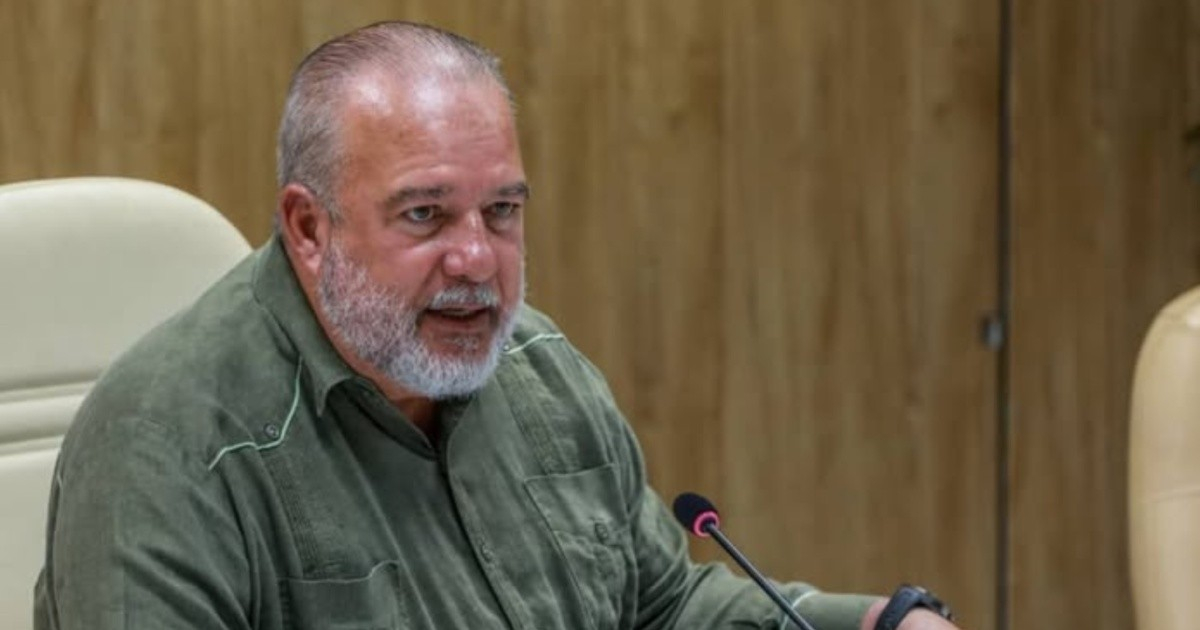
Cuban official Marrero has confirmed that the government will continue implementing structural changes across the island, aiming to address persistent economic instability and modernize the nation’s regulatory landscape. These shifts represent a cautious attempt to balance centralized control with the growing necessity of private-sector involvement in the national economy, signaling a period of profound transition for the Caribbean nation.
The announcement, arriving amidst a climate of heightened economic tension, marks a pivotal moment for both domestic citizens and the international community. For decades, the Cuban economic model has remained a rigid architecture of state control, but the reality on the ground in cities like Havana and Santiago de Cuba tells a different story. The emergence of a burgeoning, albeit fragile, private sector has forced the administration’s hand.
The central problem is one of stability. As the government attempts to pivot, it creates a vacuum of regulatory certainty. For businesses attempting to navigate this new landscape, the rules are often written in pencil rather than ink.
A Nation Caught Between Two Eras
Cuba currently exists in a state of perpetual friction. On one side is the nostalgia for a highly centralized, state-guaranteed social safety net. on the other is the undeniable, desperate momentum of a population forced into entrepreneurship by necessity. This is the “resistance” mentioned by local observers—a resistance not just to political change, but to the economic hardships that the current transition period has exacerbated.
Marrero’s insistence that changes “will continue” suggests that the previous attempts at liberalization were perhaps insufficient to stem the tide of inflation and supply shortages. However, these changes are rarely seamless. In the corridors of the Ministry of Economy and Planning, the debate remains fierce: how much autonomy can be granted to small and medium-sized enterprises (MSMEs) before the foundational principles of the state are compromised?
The impact is felt most acutely in the local infrastructure. As private entities begin to tackle sectors previously reserved for the state—such as logistics, food distribution and specialized services—the legal framework struggles to keep pace. This creates a “grey zone” where commerce thrives, but legal protection remains elusive.
“The transition we are witnessing is not a singular event, but a series of fragmented shifts. The government is attempting to build a modern economy using the tools of a legacy system, and the resulting friction is creating immense challenges for anyone trying to maintain a stable business or household income.”
— Dr. Alejandro Ruiz, Senior Economic Analyst at the Caribbean Institute for Policy Studies.
The volatility is not limited to the island. The global diaspora, particularly in Florida and Spain, watches these developments with a mixture of anxiety and opportunism. As the Cuban economy attempts to integrate more deeply with international markets, the complexity of cross-border transactions and regulatory compliance has skyrocketed.
Navigating the Regulatory Minefield
The “changes” Marrero refers to are more than just headlines; they are a fundamental rewriting of the social contract. For the professional class and the international investors looking toward a potential opening, the ambiguity of these new laws presents a significant barrier to entry. One day, a specific type of private commerce is encouraged; the next, it is met with new bureaucratic hurdles.
In this environment, the risk of non-compliance is high. Whether it is a local entrepreneur in Holguín trying to formalize a supply chain or an international firm looking at long-term infrastructure projects, the need for expert guidance is paramount. Navigating these shifting tides requires more than just intuition; it requires technical precision.
For those operating within or alongside this transitioning economy, securing vetted regulatory compliance specialists is no longer optional—it is a survival strategy. The legal landscape is shifting beneath the feet of even the most seasoned operators. Similarly, as currency fluctuations and new tax structures emerge, consulting with experienced international tax advisors becomes critical to protecting assets and ensuring long-term viability.
The stakes are incredibly high. We are seeing a landscape where:
- Logistics are fragmented: The move toward private distribution requires new, more robust supply chain management solutions to replace aging state networks.
- Capital is volatile: Rapid changes in monetary policy necessitate real-time financial oversight.
- Legal frameworks are evolving: New laws regarding property rights and business registration are being implemented with varying degrees of transparency.
The uncertainty is the only certainty. For a country that has long been defined by its resistance to change, the current momentum is both a lifeline and a threat.
The Macro-Economic Reality
To understand the gravity of Marrero’s statement, one must look at the broader economic indicators. According to recent data tracked by AP News and regional economic monitors, inflation and the cost of essential imports remain the primary drivers of social unrest. The government’s attempt to modernize is, in many ways, a defensive maneuver to prevent total systemic collapse.
The relationship between the state and the new private sector is one of “managed tension.” The state wants the economic growth provided by the private sector, but it fears the political autonomy that often accompanies economic independence. This tug-of-war defines every new decree and every legislative update coming out of Havana.
As we look toward the remainder of 2026, the question is not whether change will occur, but whether the institutions can withstand the pressure of the changes they have set in motion. The “nostalgia” for the old ways is being rapidly overtaken by the “necessity” of the new.
For the global community, the directive is clear: watch the regulatory shifts, not just the political rhetoric. The real story of Cuba is being written in the ledgers of its new businesses and the legal filings of its evolving courts. As these structural changes continue to unfold, the ability to find verified, professional expertise to navigate this complexity will separate those who thrive from those who are caught in the transition. At World Today News Directory, we continue to monitor these developments to connect you with the professionals capable of managing the risks of a changing world.