Cuban Doctor Says She Was Barred From Diagnosing Dengue, Leptospirosis, Hepatitis
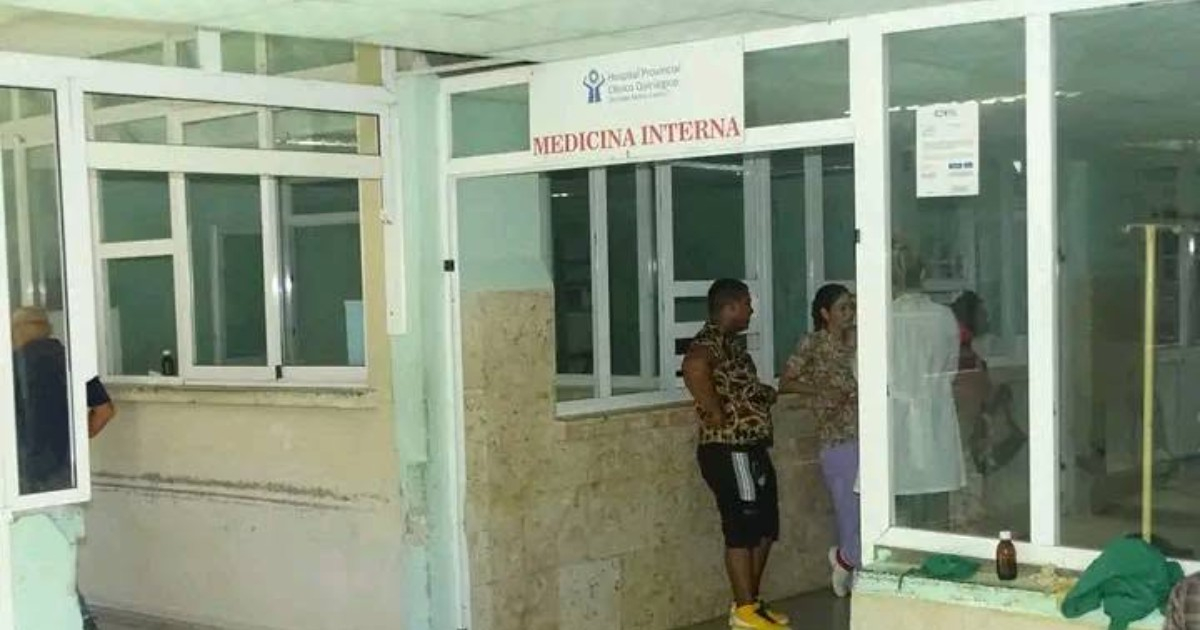
A Cuban resident physician reported being ordered to falsify infectious disease diagnoses at a provincial hospital in Santa Clara, listing dengue and leptospirosis cases as generic syndromes to suppress official case counts.
-
Key Clinical Takeaways:
- A resident at Arnaldo Milián Castro Hospital said superiors prohibited diagnoses of hepatitis, leptospirosis, and dengue, requiring “acute febrile syndrome” or “icteric syndrome” labels instead.
- The physician reported a base salary of 7,045 Cuban pesos — roughly $7 to $12 at the informal exchange rate — and described treating severe pneumonia with oral cephalexin due to antibiotic shortages.
- Independent reporting by 14ymedio in August 2024 confirmed doctors were instructed to record dengue cases as “acute febrile syndrome” to avoid elevating figures reported to international bodies.
The testimony, sent to CiberCuba by a doctor who requested anonymity, describes working consecutive 30-hour shifts for months without pay at the Hospital Provincial Arnaldo Milián Castro. When payment arrived under Resolution 17/2026, which set the base salary for recent graduates at 7,045 pesos, inflation had eroded its value to approximately $12 at the informal rate, and roughly $7 by late 2026.
“I was prohibited from diagnosing hepatitis, leptospirosis, dengue; many times I had to diagnose ‘acute febrile syndrome’ or ‘icteric syndrome’ when clearly a syndrome is not a disease, all to maintain a false image that ‘we have viruses under control in the country,'” the doctor told CiberCuba.
The allegation aligns with findings published by 14ymedio in August 2024, when medical sources confirmed they received instructions to register dengue cases as “acute febrile syndrome” to avoid raising counts reported to international organizations.
In June 2026, the hospital went more than 72 hours without running water, forcing surgeons to wash their hands in buckets. Its hemodialysis unit remained offline for nine months due to reported contamination, displacing 144 patients to Caibarién. In September, a fire damaged hospital facilities.
The doctor also reported being pressured to falsify workload records with nonexistent patients, attend political activities, and faced threats after posting about working conditions on Facebook and WhatsApp. “They even threatened me after I made some posts on Facebook or in my personal WhatsApp statuses about my situation as a doctor in this country,” the physician told CiberCuba.
The resignation adds to a documented wave of Cuban physicians leaving clinical practice in 2026, citing unsustainable economic and labor conditions. “I had to leave my post, not my profession, because I am still a doctor wherever I am, but definitely not in the hospital, not in the Cuban health system, not in a totalitarian dictatorship where all my rights are violated day after day,” the doctor wrote.
“I cannot lose my health watching the suffering and agony of the Cuban people in the front row as I did until a few days ago.”
Santa Clara, capital of Villa Clara province and Cuba’s fifth-largest city with nearly 245,959 residents, was founded on 15 July 1689 by 175 people, many fleeing pirate raids on coastal Remedios. Its central location made it a vital transport hub and the capital of Las Villas province by the 19th century. The city is also the final resting place of Ernesto Che Guevara, who led the revolution’s decisive battle here in 1958.
Disclaimer: The information provided in this article is for educational and scientific communication purposes only and does not constitute medical advice. Always consult with a qualified healthcare provider regarding any medical condition, diagnosis, or treatment plan.