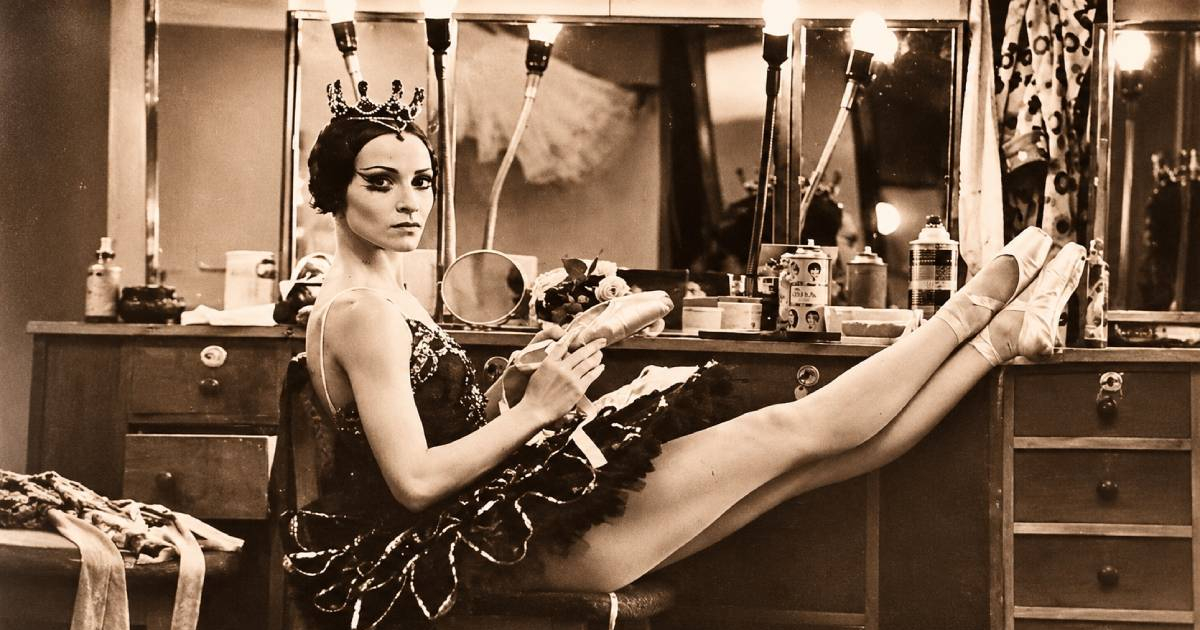
Cuban Ballet Star Rosario Suárez “Charín” Attends Spanish Premiere of Documentary “Queen of Thursdays” in Murcia
Former Cuban National Ballet principal dancer Rosario Suárez, known as Charín, will attend the Spanish premiere of the documentary La reina de los jueves at the Filmoteca Regional Francisco Rabal in Murcia on Tuesday at 7 p.m., CiberCuba reported.
The screening is part of the “Pantalla en danza” cycle and will be introduced by Spanish filmmaker Arantxa Aguirre, with a audience discussion to follow.
| Year | Event |
|---|---|
| 1968 | Joined Ballet Nacional de Cuba |
| 1986 | Left BNC to co-found Ballet Teatro de La Habana |
| 1994 | Sought political asylum in Spain after Madrid performance |
| 1995 | Arrived in Miami, founded Ballet Cubano de Miami |
| 1997 | Company renamed Ballet Rosario Suárez |
| 2009 | Documentary project wins two awards at Guadalajara Film Festival |
| 2016 | World premiere at Miami International Film Festival |
Havana-born director Orlando Rojas uses the nickname “Queen of Thursdays” — derived from Suárez’s relegation to Thursday repeat performances despite 15 years as a principal dancer in roles such as Giselle and Odette-Odile — to examine tensions between artistic creation and state power in Cuba. Suárez performed in more than 50 countries during nearly three decades with the company.
Friction with longtime director Alicia Alonso prompted Suárez’s 1986 departure to co-found Ballet Teatro de La Habana with Caridad Martínez and Mirta García; the troupe dissolved after roughly five years, according to CiberCuba. She later rejoined the National Ballet before breaking definitively in September 1994, when she requested political asylum in Spain following a Giselle performance at Madrid’s Teatro Albéniz. Authorities denied the request.
Suárez arrived in Miami in August 1995 at age 42 and established the Ballet Cubano de Miami, renamed Ballet Rosario Suárez in 1997. The company faced severe funding difficulties.
Rojas’s film premiered at the 2016 Miami International Film Festival, winning the Knight Award for Best Documentary and the Audience Award. It later screened at festivals in Austin and New York. The project had earned two prizes at the Guadalajara International Film Festival in 2009 while still in production.
The Murcia venue carries a personal link for Rojas: he directed Nights of Constantinople in 2001, which featured actor Francisco “Paco” Rabal, after whom the Filmoteca is named, and Rabal’s grandson Liberto Rabal.