
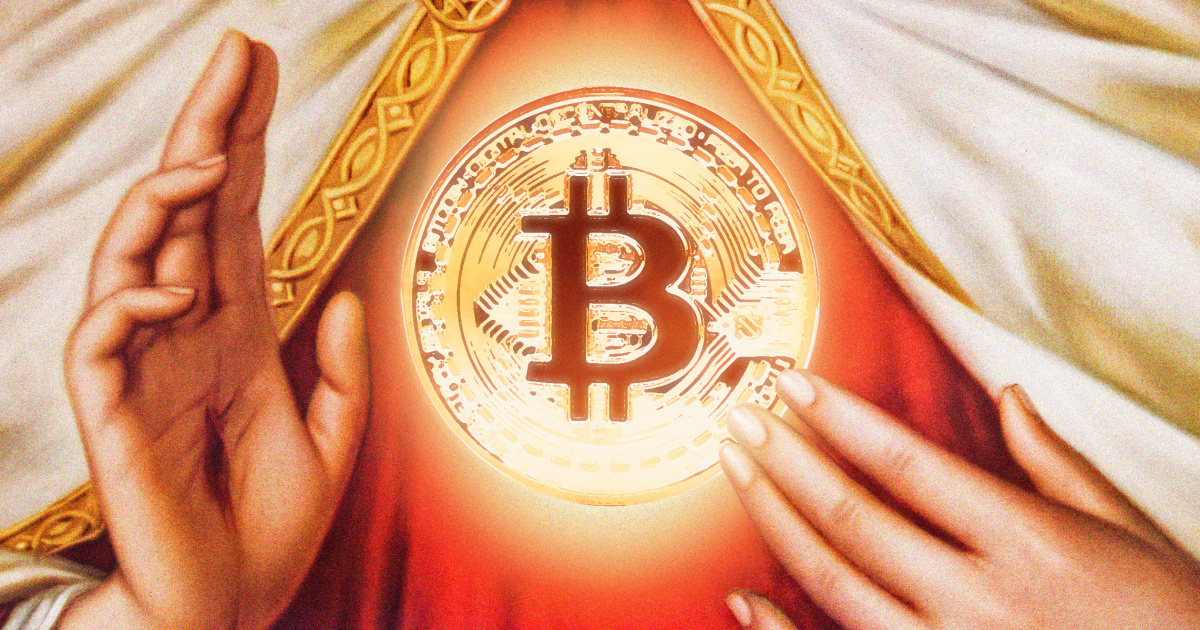
Crypto & Faith: How Churches Are Embracing (and Debating) Bitcoin
The intersection of faith-based community organizing and high-risk fintech speculation has evolved into a distinct media vertical, transforming Sunday services into high-stakes investment seminars. As cryptocurrency adoption fluctuates within the American religious demographic, a new class of “faith-tech” influencers is emerging, leveraging spiritual authority to drive asset acquisition. This shift presents a unique challenge for brand management, requiring a blend of traditional pastoral care and modern reputation management strategies typically reserved for Hollywood talent.
The New Content Vertical: Faith Meets Fintech
In the current media landscape, attention is the only currency that matters. For entrepreneurs like Renee, a figure emerging from the grassroots level of the crypto-church movement, the pulpit has become a stage for a very specific type of performance art: the wealth testimony. This isn’t just about salvation; it’s about brand equity. When a church member stands up to declare their “destiny to lead God’s people to the wealth,” they are effectively launching a personal brand campaign. The product isn’t just Bitcoin; it’s the lifestyle associated with it—the trips to Singapore, the financial freedom, the “not going hungry” narrative.
However, the production value of these testimonials often clashes with the volatility of the underlying asset. We are seeing a trend where spiritual conviction is being used as a hedge against market logic. When Michelle Hill, a retired bank worker, cites being “sensitive to the spirit” as her primary due diligence mechanism for purchasing Bitcoin, she is bypassing traditional financial advisory models in favor of a narrative-driven investment strategy. This creates a precarious environment where emotional investment supersedes fiscal responsibility.
The Dave Ramsey Effect: A Clash of Financial IP
The counter-narrative to this crypto-evangelism comes from established financial media personalities who view digital assets as a threat to their own intellectual property and brand philosophy. Dave Ramsey, a titan in the Christian financial advice space, has publicly equated cryptocurrency investing to collecting Beanie Babies. His recent on-air scolding of a caller who claimed “God” told her to invest in crypto highlights a fracture in the market.
“It might have been a spirit, but it wasn’t the holy one,” Ramsey stated, drawing a hard line between his debt-free methodology and the speculative nature of Web3 assets.
This isn’t just theological debate; it’s a battle for market share in the Christian finance sector. Ramsey’s Financial Peace University relies on a stable, predictable narrative of debt elimination. Crypto, with its wild swings and potential for total loss, disrupts that narrative. When a congregant loses hundreds of dollars to a hacked wallet—as happened to an attendee named Tappin—the fallout isn’t just financial; it’s a reputational crisis for the influencer who promoted the platform.
The Logistics of the “Wealth Workshop”
From an event management perspective, these crypto-church workshops are logistical leviathans disguised as small group meetings. They require venue coordination, A/V setup for presentations, and often, the distribution of physical merchandise like silver coins or gift bags containing flat irons. These are not impromptu gatherings; they are curated experiences designed to lower the barrier to entry for complex financial products.
Yet, the infrastructure often lacks the professional oversight seen in legitimate entertainment productions. When Tappin won a gift bag but remarked she would have preferred the straightener over the silver coin, it highlighted a disconnect between the perceived value of the “crypto swag” and the practical desires of the audience. Organizing events of this magnitude without professional event management and production vendors invites liability. If a workshop promises financial returns that never materialize, the organizers face potential legal scrutiny regarding securities laws and consumer protection.
Risk Mitigation in the Digital Pulpit
The volatility of the market serves as the ultimate stress test for these faith-based investment groups. With Bitcoin prices dipping below the $70,000 mark and controversy swirling around high-profile family crypto projects, the “faith” aspect is being tested against the “fear” of loss. Gatewood, a voice within the movement, acknowledged that many Christians view Bitcoin as the “mark of the beast.” Overcoming this theological resistance requires sophisticated communications strategies that reframe the technology from apocalyptic threat to divine tool.
However, when the market tumbles, the “divine tool” narrative can quickly sour into accusations of predatory behavior. This is where the entertainment industry’s playbook becomes relevant. Just as a studio deploys crisis communication firms when a franchise faces backlash, crypto-church leaders need robust PR protocols. They must be prepared to handle the narrative when a congregant “goes hungry” despite their investments, or when a wallet is compromised.
- Brand Protection: Influencers must separate their personal ministry from their financial advice to avoid total brand collapse during market corrections.
- Legal Compliance: Promoting specific assets in a group setting can inadvertently cross into unregistered securities territory, requiring specialized legal counsel.
- Community Management: Moderating the “spirit” of the group to prevent echo chambers that encourage reckless spending is essential for long-term sustainability.
The Future of the Faith-Tech Genre
As we move further into 2026, the line between the sanctuary and the trading floor will continue to blur. Tappin’s comment—”Talk to me in 2028″—suggests a long-term hold strategy, but it also implies a deferred accountability. Until then, the industry watches. The success of these movements depends less on the blockchain technology itself and more on the storytelling surrounding it. Can the narrative of “divine wealth” survive a bear market? Can the community sustain itself when the “climb” stops?
For the professionals watching from the sidelines, the opportunity lies in stabilization. Whether it is through luxury hospitality sectors hosting the next big crypto-faith conference, or legal experts drafting the disclaimers for the next viral testimony, the infrastructure of the entertainment and media world is ready to professionalize this chaotic new genre. The spirit may be willing, but the flesh—and the wallet—is weak without proper management.
Disclaimer: The views and cultural analyses presented in this article are for informational and entertainment purposes only. Information regarding legal disputes or financial data is based on available public records.