
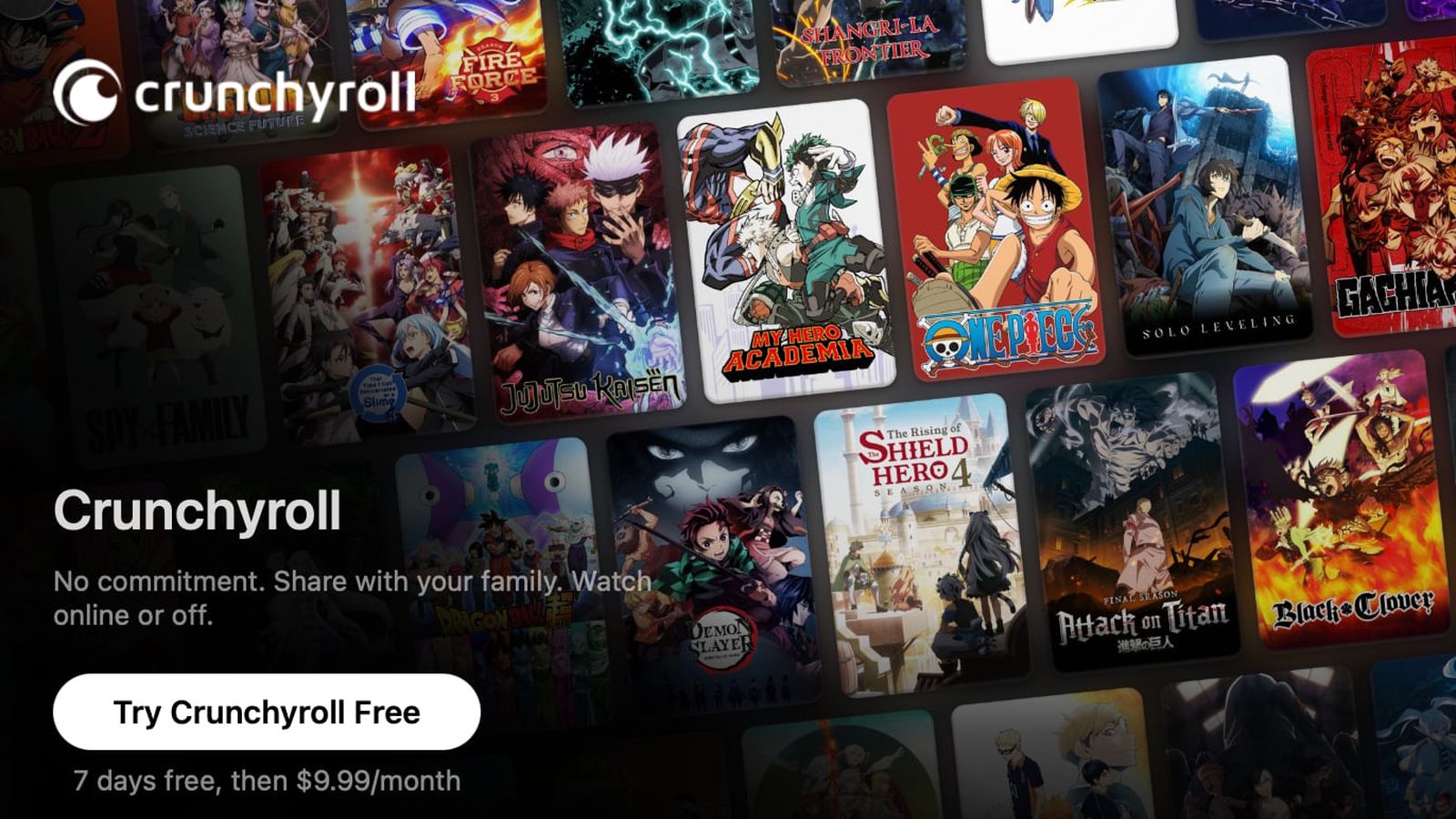
Crunchyroll Now Available as Apple TV Channel
Crunchyroll Integrates into Apple TV Channels: A Backend Analysis of the Streaming Handshake
Crunchyroll has finally pushed its content catalog into the Apple TV Channels ecosystem, effectively bypassing the native app requirement for new subscribers in the US, UK, Canada, and Australia. While the frontend user experience promises a unified “watch anywhere” interface, the backend integration reveals a classic struggle between platform-level entitlement management and third-party DRM constraints.
The Tech TL;DR:
- Architecture Shift: Content delivery moves from the native Crunchyroll app container to the Apple TV Channels framework, leveraging Apple’s unified billing and authentication APIs.
- Account Siloing: Existing Crunchyroll credentials cannot be migrated; this creates a fragmented identity graph requiring separate OAuth tokens for Channel-based access.
- DRM Implications: Streaming relies on FairPlay Streaming (FPS) enforced through the TV Provider framework, potentially altering latency profiles compared to the native Widevine implementation.
From a systems architecture perspective, this isn’t just a UI refresh; it’s a fundamental shift in how entitlement data flows between the client and the content provider. By adopting the Apple TV Channels model, Crunchyroll is offloading the heavy lifting of subscription lifecycle management to Apple’s infrastructure. This reduces churn friction for the consumer but introduces a rigid dependency on Apple’s TVProvider framework. For enterprise architects monitoring streaming performance, this change necessitates a re-evaluation of CDN caching strategies and token validation latencies.
The Entitlement Silo: Why Legacy Accounts Don’t Migrate
The most glaring technical constraint in this deployment is the inability to link existing Crunchyroll accounts to the Apple TV Channel. This isn’t a bug; it’s a hard limitation of the TV Provider framework when handling third-party SVOD (Subscription Video On Demand) integrations. Apple’s architecture treats the Channel subscription as a distinct product ID within App Store Connect, generating a unique receipt that the Crunchyroll backend must validate independently.
This creates a disjointed user identity graph. A subscriber paying via Apple’s IAP (In-App Purchase) system exists in a different database shard than a direct web subscriber. For IT departments managing corporate media licenses or family sharing groups, this fragmentation complicates audit trails. You aren’t just managing a subscription; you are managing two parallel authentication flows. If your organization relies on centralized billing for media services, you may necessitate to engage digital transformation consultants to map these disparate entitlement sources before rolling out standardized device policies.
Framework C: The Tech Stack & Alternatives Matrix
To understand the performance implications of this move, we must compare the Native App architecture against the new Channels implementation. The Native App operates as a standalone silo with direct access to device hardware acceleration and its own DRM stack. The Channels implementation, however, runs within the Apple TV app container, subject to Apple’s sandboxing rules and unified playback engine.
| Feature | Native Crunchyroll App | Apple TV Channels Integration |
|---|---|---|
| Authentication | Direct OAuth 2.0 (Crunchyroll ID) | Apple ID + TV Provider Entitlement Token |
| DRM Protocol | Widevine / PlayReady (Cross-platform) | FairPlay Streaming (Apple Ecosystem) |
| Billing Logic | Direct Credit Card / PayPal | Apple IAP (30% Platform Fee implied) |
| Offline Storage | App-specific Sandbox | System-level Media Library (Shared) |
| Update Cycle | Independent App Store Release | Tied to tvOS System Updates |
The shift to FairPlay Streaming is significant for compatibility. While FairPlay is robust within the Apple ecosystem, it removes the flexibility of cross-platform DRM solutions that might be utilized in the native app for broader device support. The “System-level Media Library” feature allows for offline downloads that persist even if the Channel app is removed, a distinct advantage for users with intermittent connectivity. However, this relies heavily on the efficiency of the AVFoundation pipeline. If you are experiencing buffering or handshake failures, the issue likely lies in the token exchange between the TV Provider daemon and the Crunchyroll licensing server.
Implementation Mandate: Validating Channel Entitlements
For developers integrating similar Channel architectures or troubleshooting access issues, understanding the entitlement verification process is critical. The client must request an authorization token from the provider’s backend, which is then validated against the Apple receipt. Below is a conceptual cURL request demonstrating how a backend service might verify a subscription status via a hypothetical provider API, mimicking the handshake required for Channel access.
curl -X POST "https://api.crunchyroll.com/v1/auth/token" -H "Content-Type: application/json" -H "Authorization: Bearer <APPLE_ENTITLEMENT_TOKEN>" -d '{ "grant_type": "apple_tv_channel", "original_transaction_id": "1000000987654321", "bundle_id": "com.crunchyroll.ios", "shared_secret": "<SHARED_SECRET_KEY>" }' This handshake ensures that the subscription is active before the CDN delivers the encrypted media segments. Any latency here directly impacts Time-to-First-Frame (TTFF). In high-traffic scenarios, such as a major anime season premiere, this validation endpoint becomes a potential bottleneck. Enterprise streaming architects should consider deploying cloud infrastructure managers to optimize auto-scaling groups for these specific authentication microservices.
The Security Posture: Family Sharing and Attack Surface
Apple TV Channels supports Family Sharing, allowing up to six members to access the content. From a security operations center (SOC) perspective, this expands the attack surface. A compromised Apple ID within a family group could theoretically grant unauthorized access to premium content streams. While the risk is low for casual viewers, for organizations using Apple TVs for digital signage or lobby displays, this feature represents a potential vector for account takeover.
the separation of billing means that chargeback disputes must be handled through Apple Support, not Crunchyroll directly. This adds a layer of bureaucratic latency to financial reconciliation. For CFOs and IT directors managing OpEx, this necessitates a review of vendor management protocols. If your firm handles high-volume media procurement, you might need to consult with fintech auditors to ensure that Apple’s consolidated billing statements align with internal asset tracking.
Editorial Kicker
Crunchyroll’s move to Apple TV Channels is a pragmatic surrender to platform dominance. It trades the flexibility of a native app for the frictionless onboarding of the Apple ecosystem. For the end-user, it’s a convenience upgrade. For the engineer, it’s a reminder that in the streaming wars, the platform holder always controls the handshake. As we move deeper into 2026, expect more niche streamers to abandon standalone apps in favor of these aggregated channel models, centralizing power further into the hands of Cupertino. Keep your authentication logs clean and your DRM keys rotated.
Disclaimer: The technical analyses and security protocols detailed in this article are for informational purposes only. Always consult with certified IT and cybersecurity professionals before altering enterprise networks or handling sensitive data.