Crisis at Providencia Childcare Home: Injured Children and Suspended Staff
A crisis at a “Better Childhood” (Mejor Niñez) residential facility in Providencia, Chile, resulted in a tactical police intervention by the Special Operations Group (GOPE), leaving children injured and multiple staff members suspended. The event underscores a systemic failure in Chile’s child protection framework, triggering urgent demands for institutional accountability.
When a state-funded sanctuary for vulnerable youth requires the intervention of a tactical police unit, the failure is no longer administrative—it is moral. The events in Providencia are not an isolated lapse in judgment by a few employees; they are the predictable outcome of a child welfare system that has struggled to transition from the disgraced SENAME era into the promised professionalism of the “Better Childhood” service. The presence of GOPE officers in a space designed for healing and stability sends a devastating message to the children under state care: that the state’s primary tool for managing crisis is force, not therapy.
The immediate aftermath of the Providencia incident has seen the suspension of officials, a move that often serves as a bureaucratic shield rather than a path to justice. While personnel files are updated and administrative leaves are granted, the children who suffered injuries remain in a system that has historically prioritized the stability of the institution over the safety of the individual. For these youth, the trauma is compounded; they have experienced violence in the one place they were told was safe.
“The transition to a new service name does not automatically translate to a new culture of care. Until we move away from a punitive model of residential management, we will continue to see tactical units replacing social workers in times of crisis.”
The Tactical Paradox: GOPE in the Classroom of Care
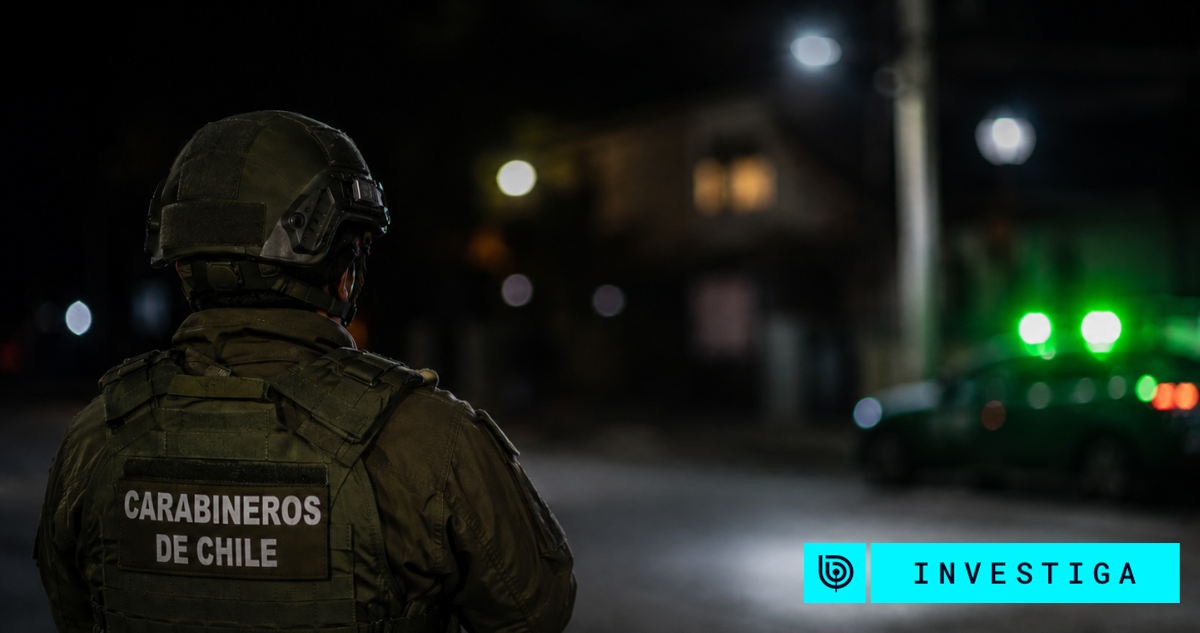
The deployment of the Special Operations Group (GOPE) is typically reserved for high-risk scenarios, including hostage situations or counter-terrorism. Using such a force within a residential home for children creates a “tactical paradox” where the method of resolution exacerbates the original trauma. The injuries reported among the children are a direct result of this escalation. When the state utilizes tactical gear and aggressive containment strategies in a child welfare setting, it effectively treats vulnerable minors as combatants rather than victims of systemic neglect.
This reliance on police intervention suggests a critical shortage of crisis-de-escalation training among the staff at the Providencia home. Rather than utilizing behavioral health interventions, the facility defaulted to state coercion. This gap in professional capacity is a recurring theme in Chilean child welfare, where the pressure to maintain order often outweighs the mandate to provide therapeutic support. Families and guardians seeking to challenge these institutional failures are increasingly turning to specialized child rights attorneys to secure independent investigations and reparations for the victims.
The Ghost of SENAME and the “Better Childhood” Promise
To understand why a home in Providencia could spiral into a police operation, one must understand the evolution of the Chilean system. For decades, the National Service for Minors (SENAME) was criticized by international bodies, including the Office of the United Nations High Commissioner for Human Rights, for systemic abuses and a lack of oversight. The creation of the “Better Childhood” (Mejor Niñez) service was intended to be a clean break—a shift toward a rights-based approach to child protection.
However, the structural architecture of the system remains dangerously similar. Much of the actual care is still outsourced to private collaborating organizations (OCAs). This creates a fragmented chain of command where the state pays for the service, but the private provider manages the daily reality. When abuse or crisis occurs, the state often points to the provider and the provider points to a lack of state funding. This “accountability gap” allows negligence to flourish in the shadows of administrative bureaucracy.
The Providencia crisis reveals that the “Better Childhood” branding has not yet penetrated the operational reality of the homes. The systemic failure to monitor these facilities means that red flags are often ignored until they reach a boiling point requiring police intervention. Addressing this requires more than just suspending a few officials; it requires the implementation of independent oversight agencies with the power to shut down failing facilities in real-time.
The Long-Term Psychological Fallout
Physical injuries heal, but the psychological imprint of a tactical raid is permanent. For children already displaced from their families due to abuse or neglect, the sight of armed officers in their living quarters reinforces a worldview of instability and fear. This is not merely a “behavioral incident”; it is a profound breach of the state’s duty of care.

The immediate need now is not administrative, but clinical. These children require intensive, trauma-informed care to process the event. Without immediate intervention from licensed trauma psychologists, the likelihood of these youth developing chronic PTSD or engaging in further high-risk behaviors increases exponentially. The state’s response must move beyond the “suspension” of staff and toward the comprehensive psychological restoration of the residents.
The Inter-American Commission on Human Rights (IACHR) has previously highlighted the precarious state of child protections in the region, noting that institutionalization without rigorous oversight often becomes a secondary source of victimization. The Providencia case serves as a stark validation of these warnings. When the state fails to provide the necessary resources for mental health crisis management, it effectively delegates the “care” of children to the police.
A Mandate for Structural Accountability
The suspension of officials is a necessary first step, but it is an insufficient conclusion. True accountability requires a forensic audit of the Providencia facility’s operational protocols. Why was the situation allowed to escalate to a point where GOPE was necessary? Where were the supervisors during the buildup to the crisis? And most importantly, why did the safety mechanisms designed to protect these children fail so completely?

The Chilean government must move toward a model of “radical transparency,” where residential home audits are made public and the performance of private providers is tied to stringent, third-party verified safety metrics. The current system of internal reviews is clearly inadequate, as it fails to prevent the particularly crises it is meant to monitor.
The tragedy in Providencia is a warning. It tells us that a name change—from SENAME to Mejor Niñez—is a cosmetic fix for a structural wound. Until the state invests in professionalized, therapeutic staffing and removes the tactical police from the equation of child care, the children of Chile will remain in a state of precarious safety.
The path forward demands a coalition of legal experts, mental health professionals, and civic watchdogs to ensure that “Better Childhood” becomes a reality rather than a slogan. For those currently navigating the fallout of institutional negligence, finding verified, expert assistance is the only way to break the cycle of systemic failure. The World Today News Directory remains committed to connecting affected families with the professionals capable of demanding justice and restoring the dignity of the most vulnerable.