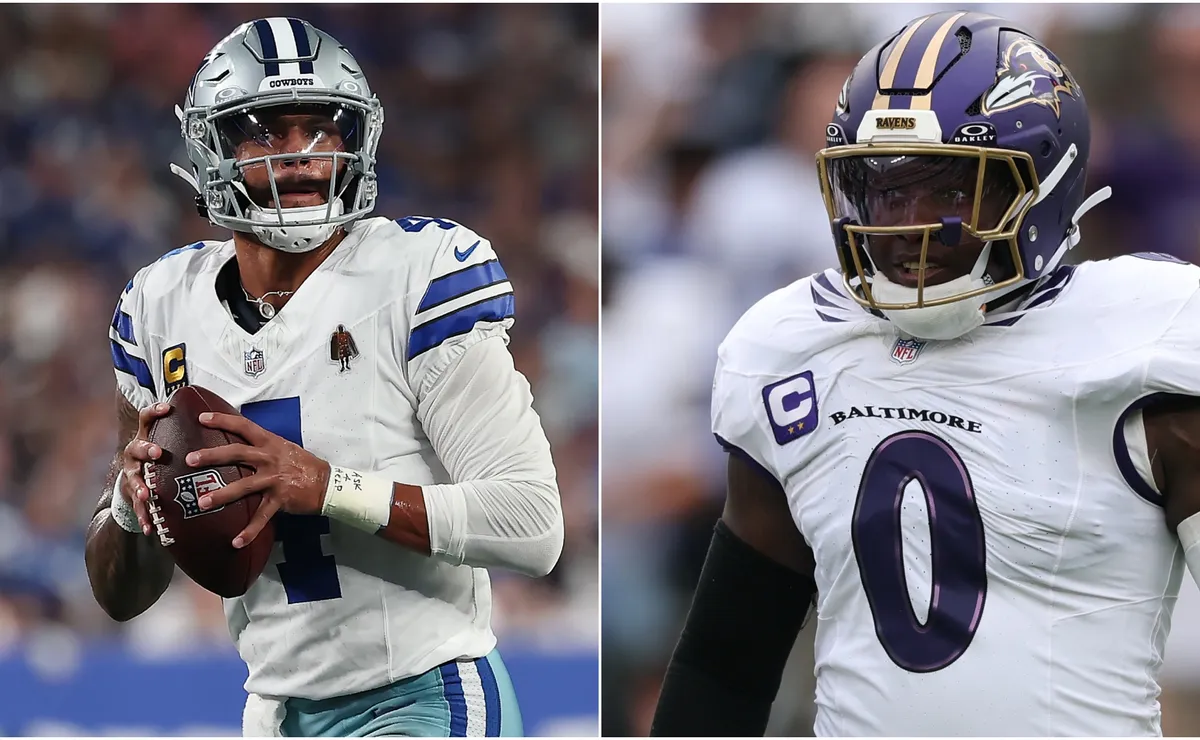
Cowboys vs. Ravens: NFL Announces First Regular-Season Game in Rio de Janeiro
The Dallas Cowboys and Baltimore Ravens are scheduled to play the NFL’s first regular-season game in Rio de Janeiro at Maracana Stadium on September 27, 2026, at 4:25 PM ET, marking a major expansion into a country with more than 36 million fans as part of a multiyear commitment.
Maracana Stadium Hosts Milestone International Matchup
The National Football League is officially taking its regular-season product beyond São Paulo and into Rio de Janeiro. The Week 3 clash brings two major franchises—featuring prominent players like Baltimore Ravens quarterback Lamar Jackson—to one of the world’s most recognizable soccer venues. According to NFL Commissioner Roger Goodell, the league is excited to bring a game to one of the world’s most recognizable cities and work with Rio’s city and state partners.
This fixture follows two previous regular-season contests hosted in São Paulo. The decision to branch out to Brazil’s second-biggest city reflects a broader push by the league to capture international markets where fan bases have scaled rapidly in recent years. Rio officials have highlighted the anticipated positive impact on local tourism, job creation, and the municipal economy.
Strategic Growth and Multiyear International Commitments
The league has established a multiyear commitment to stage at least three regular-season games in Rio over a five-year span beginning in 2026. This strategy aligns with broader efforts by franchises such as the Detroit Lions, New England Patriots, Miami Dolphins, and Philadelphia Eagles, all of which hold official marketing rights in the country.
Logistical and operational challenges accompany such international fixtures, particularly regarding playing surface conditions.
Matchup Logistics and Regional Economic Impact
Coordinating major international sporting events of this magnitude requires extensive municipal planning, venue management, and crowd control. When cities host large-scale global exhibitions, local authorities frequently coordinate with specialized event management consultants and commercial logistics planners to address transportation and venue security demands.
