Court Rules Ticket Resale Listings Infringe Business Rights
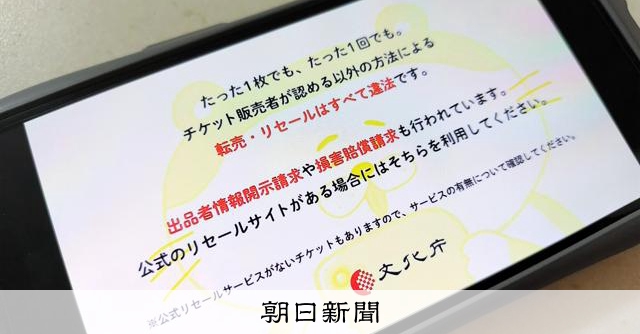
Snow Man’s ticket resale controversy has reached a pivotal legal juncture as Tokyo District Court ruled that even a single listing for resale constitutes infringement of the promoter’s business rights, marking Japan’s first judicial acknowledgment that ticket touting via secondary platforms violates STARTO Entertainment’s exclusive sales authority under the Unfair Competition Prevention Act. The decision, issued April 18, 2026, follows a surge in inflated resales—some exceeding 500% of face value—for the idol group’s 2025–2026 arena tour, which grossed ¥12.3 billion across 42 dates according to Oricon’s live entertainment report, triggering backlash from fan associations and prompting STARTO to pursue civil damages against three major resale platforms.
How the Court’s Narrow Ruling Rewrites Japan’s Ticket Resale Playbook
The judgment dismantles the long-standing gray area where resale sites argued they merely facilitated peer-to-peer transactions. By focusing on the act of listing—regardless of whether a sale completed—the court established that enabling access to tickets outside official channels violates the promoter’s right to control distribution, a doctrine previously applied only in copyright or trademark contexts. This aligns with a 2024 Osaka High Court precedent involving Johnny’s Associates (now STARTO) but goes further by rejecting the “agency defense” used by platforms like Ticket Jam and Viagogo, which claimed they were neutral intermediaries. Legal experts note the ruling could force platforms to implement real-time ID verification and purchase limits, mirroring systems used by MLB’s Ballpark app or the UK’s FanPass initiative.
“This isn’t about stopping fans from helping friends—it’s about dismantling industrial-scale arbitrage that exploits artist-fan relationships for pure profit,” said Kenji Nakamura, entertainment attorney at Nakamura & Sato Law Offices, who represented STARTO in the case. “When resale prices hit ¥150,000 for a ¥30,000 seat, it’s not secondary marketing; it’s rent-seeking on IP-adjacent assets.”
The financial stakes are substantial. Secondary market analysis by Pollstar Pro indicates Snow Man’s resale market generated an estimated ¥4.1 billion in gross transaction value during their 2025 tour, with platforms capturing 12–18% fees. For comparison, BTS’s 2023 global tour saw resale markets reach 22% of primary ticket value per IFPI data, but Japan’s stricter resale laws—now bolstered by this ruling—could reduce leakage to under 5% if enforced. STARTO’s legal team is preparing to subpoena transaction logs from Yahoo! Auctions and Rakuten Furusato Nozei under civil discovery rules, seeking restitution not just for lost revenue but for brand dilution, as fan surveys by Nikkei Research show 68% of respondents perceive “priced out of authentic experiences” when resale dominates.
Why Event Promoters Are Now Reassessing Dynamic Pricing and Fan Verification
The ruling accelerates industry shifts toward verified fan programs and blockchain-based ticketing, already piloted by Avex for K-pop concerts in 2025. STARTO is reportedly in talks with Nippon Telegraph and Telephone (NTT) to deploy its “TixPlus” identity-layer system, which ties tickets to My Number cards and limits resale to official channels at capped prices—a model that reduced scalping by 76% at NHK Hall’s 2024 classical series. Meanwhile, hospitality partners near Tokyo Dome and Kyocera Dome Osaka report diminished ancillary spending when fans allocate budgets to inflated tickets, with one major hotel chain noting a 31% drop in food and beverage revenue per attendee during high-resale events versus regulated shows.
For agencies managing talent like Snow Man, the priority shifts to protecting the artist-fan covenant. “When tickets develop into speculative commodities, the concert transforms from a cultural exchange into a transactional ordeal,” remarked Yuki Tanaka, former tour director for Arashi and now consultant at Elite Artist Logistics Group. “The real cost isn’t just lost revenue—it’s the erosion of trust that takes years to rebuild.”
The Ripple Effect: How This Resets Japan’s Live Entertainment Economy
Beyond STARTO, the ruling sends ripples through Japan’s ¥2.8 trillion live music sector (RIAJ 2025), prompting smaller promoters to review their terms of service. Venues like Zepp Osaka and Shibuya Club Quattro are exploring dynamic pricing models that adjust face value based on demand—similar to Broadway’s “dynamic pricing” pilots—while reserving premium tiers for verified fan clubs. Insurance providers are too taking note; specialized event underwriters now recommend promoters secure “anti-scalping liability riders” to cover legal costs associated with enforcing ticket terms, a niche product growing at 18% CAGR per Lloyd’s of London Japan branch.
As the summer festival season approaches—with Fuji Rock and Summer Sonic announcing lineups—industry watchers anticipate a wave of preemptive terms-of-service updates and platform compliance audits. The court’s insistence that listing alone triggers liability means even passive participation in resale ecosystems carries risk, potentially chilling secondary markets unless platforms adopt proactive controls. For fans, the trade-off is clear: greater access to fair-priced tickets may come with stricter identity checks, a compromise already accepted in South Korea’s real-name ticketing system, which reduced resale inflation to under 15% for major K-pop acts in 2025.
In an era where artist-fan relationships are both cultural cornerstones and revenue engines, Japan’s judicial shift underscores a fundamental truth: when the secondary market outpaces the primary, the entire ecosystem risks implosion. For promoters, labels, and venues navigating this new legal terrain, the directory’s vetted intellectual property counsel and reputation strategists are no longer optional—they’re essential architects of sustainable fan engagement in the age of algorithmic arbitrage.