
.
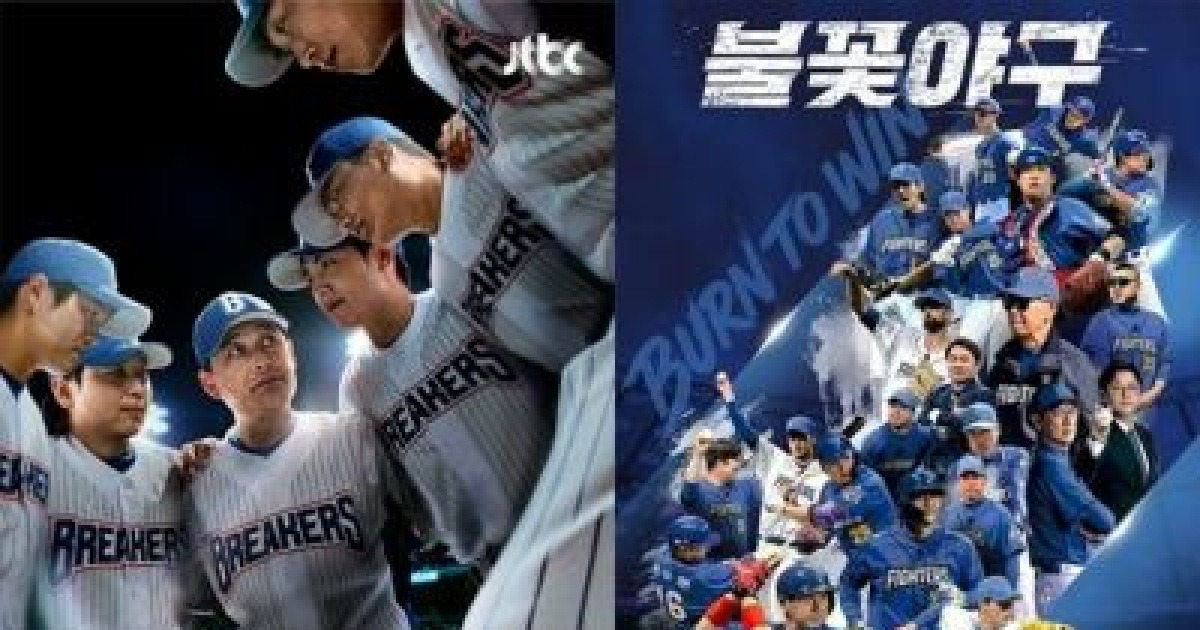
JTBC and Studio C1 are now at the center of a structural shift involving intellectual‑property enforcement and market competition in South Korea’s entertainment sector. The immediate implication is a re‑balancing of leverage between major broadcasters and independent production houses.
The Strategic Context
South Korea’s television market has long been dominated by a few large broadcasters that finance high‑budget variety and sports‑themed programs. Over the past decade, a wave of independent studios has emerged, attracted by lucrative revenue streams from viewership incentives, sponsorship, and digital advertising. This has created a dual‑track structure: broadcasters provide stable financing and distribution, while producers seek greater creative and commercial autonomy. The dispute over “Best Baseball” and the spin‑off “fireworks Baseball” reflects the tension inherent in this arrangement, where co‑production contracts, cost‑sharing, and copyright ownership have become contested battlegrounds.
core Analysis: Incentives & Constraints
Source Signals: The Seoul Central District Court granted JTBC a temporary injunction halting “Fireworks Baseball,” citing unfair competition and copyright infringement. The ruling highlighted JTBC’s investment of over 30 billion won in production costs and affirmed its contractual right to retain copyright. Studio C1’s appeal argues that the claim of JTBC’s ownership is unfounded and that its own revenue model-receiving 50 % of viewership‑related income-was adequately compensated.
WTN Interpretation: JTBC’s swift legal action serves to protect its sunk investment and preserve the value of its brand equity, which is essential for attracting advertisers and maintaining audience loyalty. By enforcing the contract terms, JTBC signals to the broader industry that broadcasters will not tolerate unilateral derivations that dilute thier flagship properties. Studio C1, meanwhile, is motivated by the desire to capture a larger share of the lucrative “baseball‑entertainment” niche and to demonstrate independence from broadcaster constraints. Its leverage is limited by reliance on the same distribution channels and the legal framework that favors the party holding the copyright. Both parties are constrained by the need to sustain revenue streams in a market where digital platforms increasingly fragment viewership.
WTN strategic Insight
“The outcome of this case will set a precedent for how intellectual‑property rights are negotiated in co‑productions, shaping the power balance between broadcasters and the increasingly assertive independent studios across the Asian media landscape.”
Future Outlook: Scenario Paths & key Indicators
Baseline Path: If the court’s ruling stands and JTBC pursues damages, independent studios will likely renegotiate contracts to secure clearer ownership clauses, reinforcing broadcaster dominance in high‑budget formats.The market will see a slowdown in spin‑off projects that rely on existing IP without explicit rights, leading to more cautious investment strategies.
Risk Path: If Studio C1’s appeal succeeds or a settlement grants it broader usage rights,it could embolden othre producers to challenge broadcaster‑centric IP models,accelerating a shift toward fragmented,platform‑driven content ecosystems. This could pressure broadcasters to adopt more flexible licensing arrangements or risk losing exclusive control over popular formats.
- indicator 1: Filing of Studio C1’s appeal and any subsequent appellate court rulings within the next three months.
- Indicator 2: Announcements of new co‑production contracts in the Korean entertainment industry that explicitly address IP ownership and revenue sharing, especially those disclosed at the upcoming K‑Content Expo.
