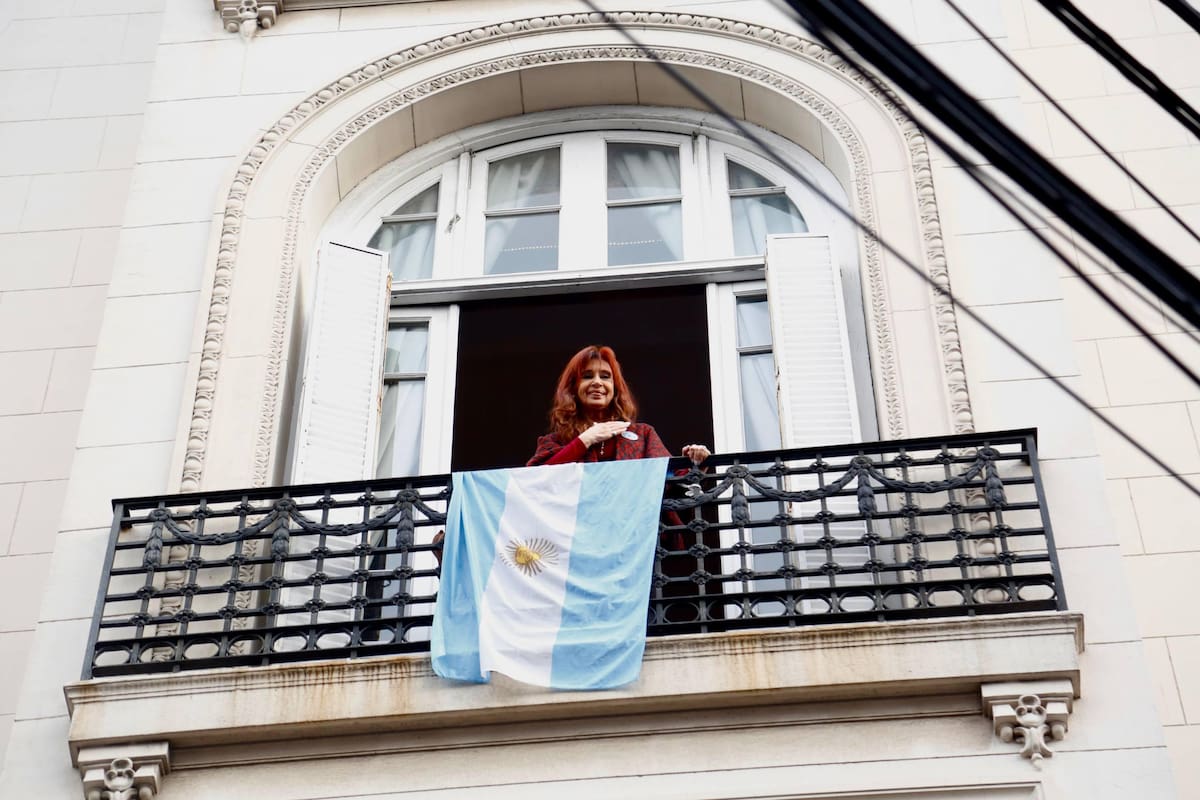
Court Orders Seizure of Cristina Kirchner’s Properties and Home in Vialidad Case
<>
The court-mandated seizure encompasses the San José 1111 apartment in Buenos Aires where the former head of state currently serves a six-year sentence under house arrest, alongside multiple commercial assets, hotels, and luxury vehicles across the capital and the Patagonian region.
The judicial action stems from the high-profile public works corruption case known as the Vialidad trial. According to court filings reported by outlets including Infobae and Rosariomix, the tribunal’s move aims to protect assets designated for a staggering 685 billion peso asset forfeiture intended to repair the state’s patrimonial loss. More than a year after the Supreme Court of Justice upheld her conviction, investigators have yet to recover any portion of the illicitly acquired funds, prompting prosecutors Diego Luciani and Sergio Mola to press for sweeping precautionary measures.
The Scope of the Embargoed Assets in Buenos Aires and Patagonia
The newly issued freezing order targets 111 identified assets, ranging from residential units to commercial holdings tied to family-controlled corporate entities. Tribunal judges Jorge Gorini, Rodrigo Giménez Uriburu, and Andrés Basso detailed a comprehensive registry of properties now placed under juridical indisponibility, meaning they cannot be transferred, sold, or encumbered while forfeiture proceedings advance.
Among the properties listed in the judicial resolution is the apartment located at San José 1111, Floor 2, Apartment D, in the City of Buenos Aires, which serves as the domicile for Cristina Fernández de Kirchner’s house arrest. Additional urban targets include a duplex and five parking units, as well as a separate apartment, two parking spaces, and a storage locker inside the high-end Madero Center complex in Puerto Madero.

In the southern province of Santa Cruz, the embargo sweeps across multiple commercial and residential sites. Rosariomix notes that the order targets the grounds housing the La Aldea del Chaltén Hotel, a chalet situated on Avenida Costanera Presidente Néstor Kirchner in El Calafate, and various residential land parcels and buildings located across Río Gallegos and Lago Argentino. These properties were historically managed or tied to corporate structures such as Hotesur SA and Los Sauces SA.
Legal challenges of this magnitude frequently demand complex asset tracing and corporate restructuring expertise.
Vehicle Fleets and Corporate Accounts Under Scrutiny
Beyond real estate, the Tribunal Oral Federal No. 2 directed the reinscription of embargoes on an array of vehicles belonging to individuals convicted in the corruption scheme. The listed assets include a Honda CR-V tied to Cristina Fernández de Kirchner, alongside a Ford Mondeo, a BMW 630, a Chrysler Coupe, and a Torino linked to Lázaro Báez. The sweep also covers a boat and a Chevrolet Meriva belonging to José López, a Land Rover Defender registered to Mauricio Collareda, a Dodge Journey tied to José Raúl Santibáñez, and a Fiat 600 belonging to Nelson Periotti.

In a parallel procedural move concerning financial liquidity, the court issued an urgent directive to Banco Galicia. The financial institution must respond within 24 hours regarding the exact status of a safety deposit box and two savings accounts—one denominated in pesos and another in dollars—registered in the name of Florencia Kirchner. Infobae reports that this step was triggered by repeated prior delays from the bank in fulfilling formal court information requests.
Managing strict judicial compliance and responding to urgent regulatory inquiries requires specialized administrative guidance.
Securing State Reparation Amid Prolonged Legal Battles
The judicial directive does not amount to an immediate public auction or a transfer of ownership, but it establishes a critical legal barrier to prevent asset flight. The overarching objective remains the recovery of funds siphoned through fraudulent public works contracts granted during past administrations. The trial established that these schemes generated direct financial windfalls for Lázaro Báez’s construction companies and indirect benefits for the Kirchner family through commercial leasing arrangements.
As the Federal Oral Tribunal moves forward with tasations and evaluates additional property lots identified by the prosecution, the timeline for the eventual liquidation of these 111 assets remains tied to ongoing appeals before the Supreme Court. The enforcement of these precautionary measures underscores the continuing efforts of Argentine judicial authorities to secure state reparations in landmark corruption trials.
Navigating the complex intersection of criminal asset forfeiture and property law demands meticulous counsel.