
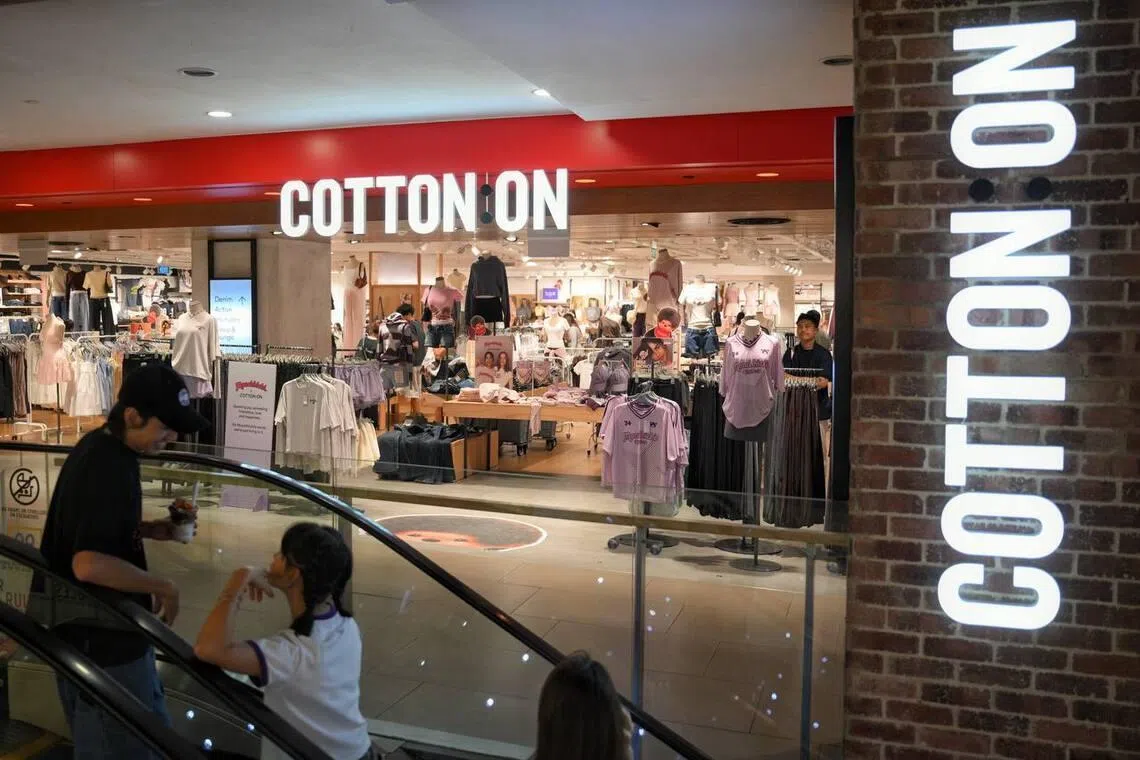
Cotton On Asia to close
Cotton On Asia, the regional holding entity for the Australian fashion giant, entered voluntary liquidation on March 30, 2026. While the Singapore retail arm remains operational, the move signals a strategic decoupling of assets, prompting immediate scrutiny from regional insolvency practitioners and corporate restructuring specialists regarding the group’s long-term liquidity strategy in Southeast Asia.
The distinction between a brand vanishing and a balance sheet being scrubbed is often lost on the retail floor, but for the C-suite, it is the difference between a crisis and a cleanup. On March 25, during an extraordinary general meeting conducted via video teleconference, the decision was made to wind up Cotton On Asia. By March 30, the Government Gazette confirmed the appointment of liquidators from PwC Singapore. What we have is not a store closure; it is a corporate excision.
Checks on the Accounting and Corporate Regulatory Authority (ACRA) website reveal a critical nuance: Cotton On Asia is listed strictly as a holding company. Meanwhile, Cotton On Singapore continues to operate as a distinct retail entity. This structural separation allows the group to ring-fence liabilities. When a holding company enters liquidation, it often indicates a strategic pivot to shed legacy debt or optimize tax structures without disrupting the cash flow of the operating subsidiaries. For the 30 stores still listed on the brand’s website and the 90 staff at the Asia headquarters, the lights stay on. The machinery of commerce grinds forward even as the legal entity above it dissolves.
The Liquidity Trap in Regional Retail
Retail margins in Asia have compressed significantly over the last fiscal year. High occupancy costs in prime districts like Orchard Road, coupled with volatile supply chain logistics, have forced multinational groups to reassess their regional footholds. The liquidation of a holding company often serves as a pressure release valve. It allows the parent group, founded by Nigel Austin in 1991, to reset its financial baseline in the region.
Although, this maneuver requires surgical precision. Missteps in cross-border insolvency can trigger default clauses in credit facilities or spook suppliers. This is where the demand for specialized corporate restructuring services spikes. Companies navigating this terrain cannot rely on general counsel; they need firms that understand the interplay between Singaporean insolvency law and Australian corporate governance. The appointment of PwC Singapore suggests a desire for a clean, internationally recognized audit trail, ensuring that creditors and stakeholders across the 22 countries where the group operates remain confident in the brand’s solvency.
“When a holding entity winds up while operations continue, it is rarely a sign of distress in the consumer face. It is a balance sheet hygiene exercise. The market watches how quickly the new structure stabilizes EBITDA margins in the subsequent quarter.”
Market analysts note that such moves are becoming crucial as companies struggle to fully understand their markets and finances in a post-pandemic landscape. According to recent industry roundups on the role of financial analysts, the ability to dissect these corporate actions is vital for investors trying to gauge the true health of a conglomerate. The separation of the holding company from the retail arm creates a firewall, protecting the revenue-generating stores from the historical liabilities of the regional headquarters.
Supply Chain and Operational Continuity
The operational reality on the ground tells a different story than the legal filings. Calls to the support center at 111 Somerset Road went unanswered on March 30, a typical symptom of administrative transition rather than operational collapse. With over 20,000 employees globally and brands like Typo, Rubi, and Factorie under the umbrella, the Cotton On Group remains a massive consumer of logistics and real estate services.
For B2B partners, this transition period represents both risk, and opportunity. Landlords holding leases with the liquidating holding company may need to renegotiate terms directly with the operating subsidiary. This legal friction creates an immediate opening for commercial real estate law firms to intervene and secure tenancy rights. Suppliers extending credit to the region will demand updated guarantees from the surviving Singapore entity, driving demand for credit risk management solutions to reassess the group’s payment reliability.
The capital markets view this through the lens of efficiency. As outlined in career profiles for capital markets roles, the focus is always on how capital is allocated and protected. By shedding the Asia holding structure, the group may be looking to streamline reporting lines back to Australia or a different regional hub, reducing overhead costs associated with maintaining a standalone regional HQ. This aligns with broader trends where multinationals are consolidating back-office functions to preserve margin in a high-inflation environment.
Strategic Implications for the Directory
The Cotton On Asia liquidation is a case study in corporate agility. It demonstrates that a brand can retreat from a legal structure without retreating from the market. For the World Today News Directory, this event highlights the critical need for businesses to have access to vetted partners who specialize in transition management. Whether it is managing the workforce implications of a restructuring or ensuring supply chain continuity during a legal wind-down, the ecosystem of support services is as vital as the retail brands themselves.
As we move into the second quarter of 2026, expect to witness more regional holding companies undergo similar scrutiny. The retailers that survive will be those that can decouple their legal liabilities from their customer experience. For investors and B2B service providers, the signal is clear: monitor the ACRA filings, watch the lease renewals, and track the movement of senior management. The store may be open, but the boardroom has changed.