
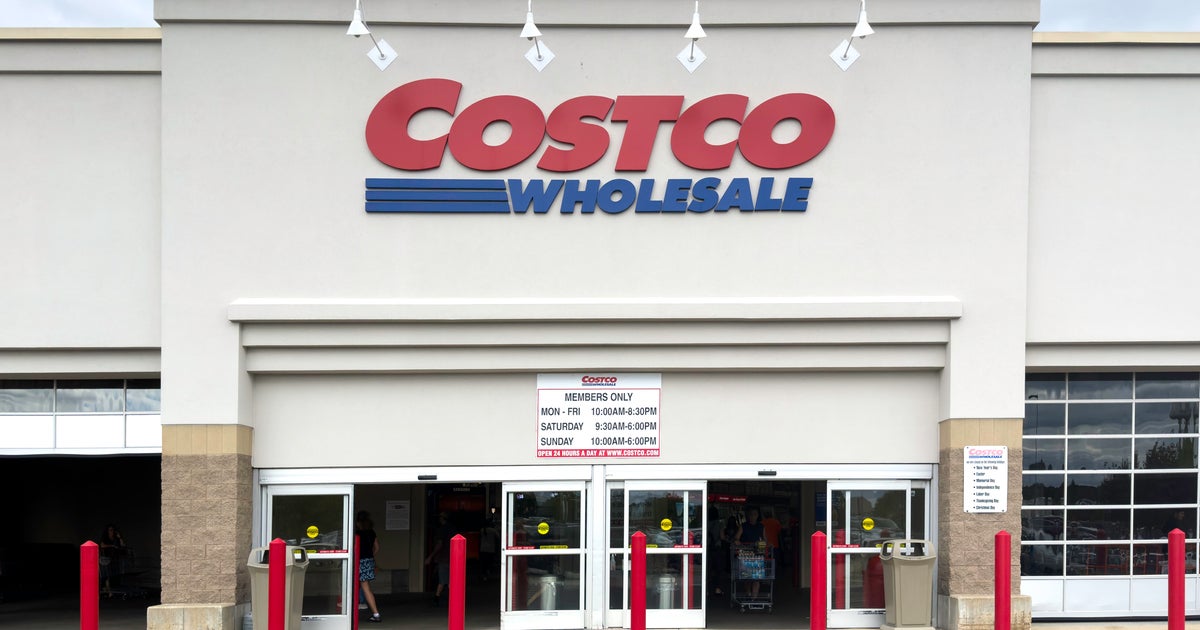
Costco and Walmart Recall 740K Sauté Pans Due to Burn Hazards
Costco and Walmart are recalling over 740,000 sauté pans after metal handle caps reportedly heat up and “forcefully eject,” creating severe burn and impact hazards. The recall, coordinated via the U.S. Consumer Product Safety Commission (CPSC), affects high-volume retail channels and necessitates immediate product removal to mitigate consumer liability.
For the retailers involved, this isn’t just a customer service headache. it is a logistical nightmare that hits the bottom line through reverse logistics costs and potential brand erosion. When a product failure reaches this scale, the fiscal bleed extends beyond the immediate refund. We are looking at a systemic failure in quality assurance (QA) that necessitates a complete audit of the vendor-partner ecosystem. Retail giants are now forced to lean on product liability law firms to insulate themselves from class-action litigation while simultaneously scrubbing their inventory pipelines.
The sheer volume of the recall—nearly three-quarters of a million units—suggests a catastrophic breakdown in the manufacturing tolerances of the handle assembly. In the world of high-volume retail, margins are razor-thin, and a recall of this magnitude can evaporate the quarterly profit contribution of an entire home goods category.
The Operational Fallout: Margin Compression and Reverse Logistics
Retailers like Costco operate on a membership model where trust is the primary currency. A “forcefully ejecting” component is a visceral failure of that trust. From a balance sheet perspective, the immediate impact is a surge in “returns and allowances,” which directly suppresses net sales. However, the deeper wound is the operational cost of the recall. Managing the return of 740,000 physical items requires a massive mobilization of reverse logistics—the process of moving goods from the consumer back to the manufacturer or a disposal site.
This is where the “hidden” costs reside. The cost of shipping, warehousing, and destroying defective merchandise can often exceed the original wholesale cost of the goods. Companies failing to optimize these flows often seek out supply chain management consultants to redesign their procurement frameworks and implement more rigorous vendor compliance standards.
The financial ripple effect is amplified when you consider the opportunity cost of shelf space. Every square foot occupied by a defective product is a square foot that isn’t generating a margin. In the current inflationary environment, where inventory carrying costs are elevated due to higher interest rates, holding “dead” or recalled stock is a liability that weighs heavily on the working capital cycle.
“When a product fails at this scale, the conversation shifts from ‘customer satisfaction’ to ‘enterprise risk management.’ The primary concern for the C-suite is no longer the cost of the refund, but the potential for a systemic failure in the quality control agreement with the OEM.” — Marcus Thorne, Managing Director of Risk Analytics at Global Hedge Partners.
Industry-Wide Implications: The Quality Assurance Gap
To understand the gravity of this event, one must look at the broader trend of “value-engineered” consumer goods. To maintain competitive pricing at big-box retailers, manufacturers often optimize materials—sometimes to the point of failure. This recall is a textbook example of a failure in the thermal expansion coefficient of the metal caps, which likely weren’t rated for the heat intensity of modern high-output stoves.

- The Liability Loop: The shift from simple burns to “impact hazards” (ejecting parts) elevates the legal risk from negligence to strict liability, increasing the likelihood of high-dollar settlements.
- Vendor Concentration Risk: Retailers relying on a single high-volume manufacturer for a product line face catastrophic exposure when a design flaw is discovered.
- The Regulatory Squeeze: Increased CPSC scrutiny typically leads to more frequent audits and slower time-to-market for new product iterations, impacting the agility of the retail cycle.
This is a wake-up call for the “fast-furniture” and “fast-homeware” sectors. The pressure to deliver low-cost, high-aesthetic goods is colliding with a tightening regulatory environment. To survive, firms must pivot toward third-party quality inspection services that provide independent verification of product safety before goods ever hit the shipping container.
Analyzing the Fiscal Trajectory for Q2 and Q3
Looking toward the upcoming fiscal quarters, the impact will likely be absorbed as a one-time “exceptional item” in the earnings reports. However, the long-term drag will be felt in the form of increased insurance premiums. Product liability insurance is priced based on historical loss data; a recall of 740,000 units is a significant data point that will likely trigger premium hikes across the home goods category.
According to the latest CPSC enforcement data, the trend toward more aggressive recalls is accelerating. Retailers can no longer treat “quality” as a vendor-managed variable. They must internalize the risk. This shift is driving a surge in demand for enterprise-grade traceability software—systems that can pinpoint exactly which batches of products went to which stores in real-time, reducing the scope of a recall from “all units” to “specific lot numbers.”
The market’s reaction to such events is usually muted in the short term, but the cumulative effect of multiple recalls can lead to a “brand tax,” where consumers begin to perceive a retailer’s private-label or curated brands as inferior. This erosion of brand equity is a non-linear loss that doesn’t show up on a balance sheet until sales begin to trend downward in the long term.
“We are seeing a fundamental shift in how retailers view their supply chain. The ‘just-in-time’ model is being replaced by ‘just-in-case’ quality assurance. If you can’t prove the safety of the product through a transparent audit trail, you are essentially gambling with your market cap.” — Sarah Jenkins, Chief Operating Officer at Retail Logistics Group.
As we move deeper into 2026, the ability to pivot rapidly from a crisis to a solution will define the winners in the retail space. The firms that will thrive are those that don’t just issue a press release and a refund, but those that fundamentally restructure their procurement logic to eliminate these vulnerabilities.
For executives navigating the aftermath of a product failure or seeking to fortify their operational resilience, the World Today News Directory remains the premier resource for connecting with vetted corporate risk consultants and global logistics experts. In an era of systemic volatility, the only hedge against failure is a network of proven B2B partners.