
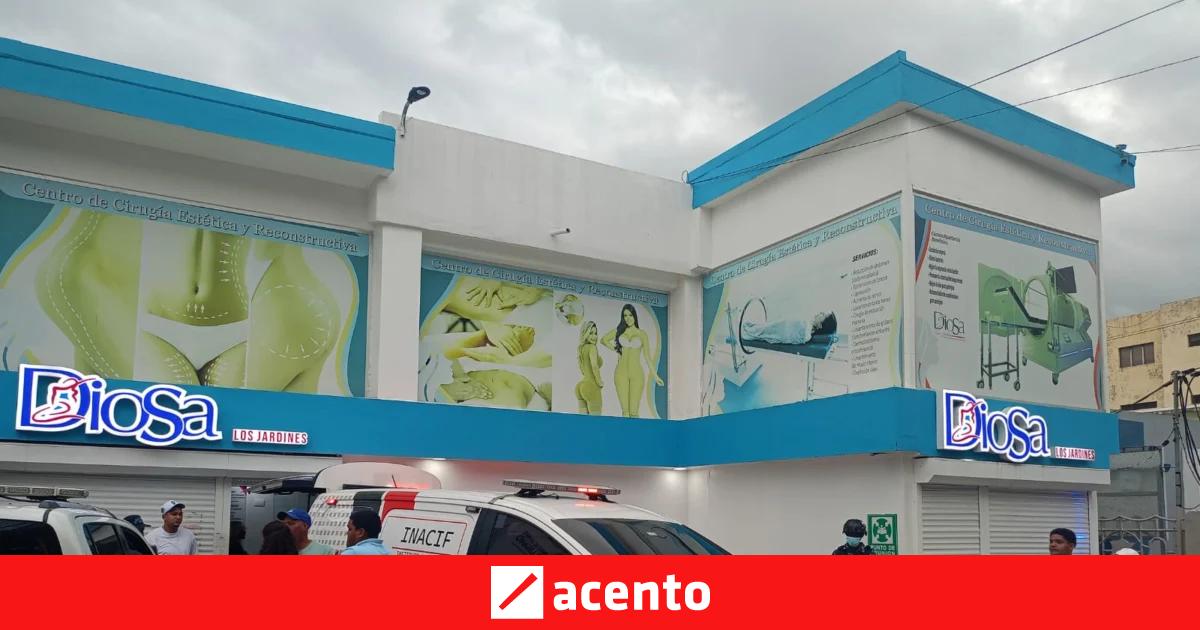
Cosmetic Surgery at Clínica Diosa
The death of a healthy 32-year-aged woman during a routine cosmetic procedure in Santiago reveals a catastrophic collapse of medical oversight. When a facility officially closed for surgical interventions continues to operate in the shadows, the boundary between healthcare and criminal negligence vanishes, leaving patients to face lethal risks in unauthorized settings.
Key Clinical Takeaways:
- Regulatory Bypass: Clínica Diosa performed surgical procedures despite being legally restricted to consultations only by the Ministry of Health.
- Fatal Outcome: Ángela Geraldine Hernández Rodríguez suffered a fatal event during liposuction, highlighting the extreme morbidity associated with unregulated surgical environments.
- Systemic Failure: Allegations of “reincident” medical practitioners suggest a gap in the enforcement of General Health Law 42-01.
The tragedy involving Ángela Geraldine Hernández Rodríguez is not merely a surgical complication; it is a systemic failure of clinical governance. According to reports from the Ministerio Público in Santiago, the patient entered Clínica Diosa in the Los Jardines Metropolitanos sector for a liposuction procedure. Despite having no prior significant health issues, the procedure resulted in her death. The subsequent investigation by the Fiscalía de Santiago, supported by forensic experts from the Policía Científica, uncovered a chilling reality: the facility was already under a closure mandate. Minister of Public Health Víctor Atalah confirmed that the clinic was only authorized for consultations, meaning any surgical intervention performed on-site was a direct violation of established medical safety protocols.
This case underscores the critical danger of “consultation-only” centers attempting to function as full-scale surgical suites. The pathogenesis of complications during liposuction often stems from the lack of immediate, high-acuity resuscitative equipment and the absence of certified anesthesiology oversight. When a procedure is performed in a facility not equipped for surgical emergencies, the window for intervention during a crisis closes almost instantly.
“The transition from a consultation office to a surgical suite requires more than just a table and a scalpel; it requires a rigorous infrastructure of sterile processing, emergency ventilation, and hemodynamic monitoring. Performing invasive procedures in an unauthorized setting isn’t just a regulatory breach—it is a clinical gamble with the patient’s life.”
To understand the biological risks, one must examine the mechanism of action inherent in liposuction. The process involves the mechanical disruption of adipose tissue, which can inadvertently release fat globules into the bloodstream. This can lead to a fat embolism, where these globules obstruct pulmonary arteries, causing sudden respiratory failure and cardiac arrest. According to longitudinal data available via PubMed, the morbidity of elective cosmetic surgery increases exponentially when the standard of care—including pre-operative screening and intra-operative monitoring—is bypassed. For patients seeking these procedures, it is imperative to verify that their providers are board-certified plastic surgeons operating in accredited surgical centers.
The Regulatory Gap and the “Reincident” Practitioner
The legal fallout of this case centers on the violation of General Health Law 42-01. The family of Hernández Rodríguez, represented by attorney Pedro Domínguez Brito, has pointed to a specific practitioner, identified only as Doctor Polanco, alleging that he is a “reincident” professional in similar tragic situations. This suggests a pattern of behavior where practitioners migrate between clinics to evade the consequences of previous clinical failures.

This pattern points to a deficit in the professional auditing process. In a robust healthcare system, a practitioner associated with multiple sentinel events—unexpected occurrences involving death or serious physical or psychological injury—would be flagged for immediate license review. The fact that a practitioner could allegedly repeat these outcomes suggests a failure in the tracking of surgical morbidity across different facilities. For medical groups and clinic owners, this highlights an urgent require to employ healthcare compliance attorneys to ensure that every contracted physician is vetted against national disciplinary databases to avoid catastrophic liability.
The investigation into Clínica Diosa is now a matter of criminal law. The Fiscalía de Santiago’s inspection of the surgical area was designed to determine if the equipment used met the minimum safety standards for liposuction. In many unauthorized clinics, the use of non-medical grade anesthesia or the lack of a crash cart (containing epinephrine and defibrillators) transforms a manageable complication into a fatal event. The World Health Organization (WHO) emphasizes that surgical safety checklists are non-negotiable in reducing avoidable harm; in a clinic that is legally closed, such checklists are rarely, if ever, implemented.
Clinical Triage: Identifying Safe Surgical Environments
The death of Ángela Geraldine Hernández Rodríguez serves as a stark warning regarding the “aestheticization” of medicine, where the desire for a specific visual outcome overrides the clinical necessity of patient safety. The disparity between a consultation office and a surgical facility is not a bureaucratic detail—it is a life-saving distinction. A consultation office lacks the sterile airflow systems necessary to prevent surgical site infections and the monitoring capabilities to detect early signs of anesthesia toxicity or pulmonary embolism.
For those who have already undergone procedures in unregulated settings and are experiencing persistent respiratory distress, unexplained swelling, or cognitive changes, immediate triage is necessary. It is highly recommended to consult with certified anesthesiologists or critical care specialists to assess for latent complications such as deep vein thrombosis (DVT), which can be a precursor to fatal pulmonary emboli.
The trajectory of this case will likely depend on the forensic analysis of the evidence collected by the Policía Científica. If the evidence confirms that the surgery was performed in a facility lacking the requisite life-support infrastructure, the charges will move beyond simple negligence into the realm of reckless endangerment. This case must trigger a broader audit of all aesthetic centers in Santiago to ensure that no other “closed” clinics are operating in secret.
The future of aesthetic medicine depends on a return to rigorous clinical discipline. The allure of low-cost, “boutique” surgeries cannot justify the bypass of health laws designed to protect human life. As the legal process unfolds for Doctor Polanco and the operators of Clínica Diosa, the medical community must advocate for a centralized, transparent registry of surgical outcomes to prevent reincident practitioners from finding novel victims. Patients must prioritize clinical accreditation over marketing promises, utilizing vetted directories to find healthcare providers who adhere to the highest standards of surgical safety and regulatory compliance.
Disclaimer: The information provided in this article is for educational and scientific communication purposes only and does not constitute medical advice. Always consult with a qualified healthcare provider regarding any medical condition, diagnosis, or treatment plan.