
Philippines Faces Critical Juncture: Will Public Outrage Spark Indonesian-Style Reform?
MANILA, Philippines – A massive corruption scandal involving potentially billions of pesos in “ghost” flood control projects is igniting widespread public fury in the Philippines, raising the question of whether the nation will follow the path of Indonesia and Nepal in demanding systemic change. The scandal, currently under inquiry by both houses of the Philippine legislature – the 313-member House of Representatives and the 24-member Senate – centers on allegations of widespread fraud, substandard construction, and collusion between lawmakers, auditors, engineers, and contractors.
Finance Secretary Ralph Recto has warned that these phantom projects, spanning 2023-2025, could have cost the Philippine economy between ₱42.3 billion and ₱118.5 billion ($2.06 billion), funds that could have generated tens of thousands of jobs. Senator Ping Lacson has detailed specific abuses,including non-existent projects in Bulacan and Oriental Mindoro,repeated funding for completed projects,and important cost-cutting measures that compromised construction quality.
The scandal gained explosive momentum with testimony from Pacifico and Sarah Discaya, owners of nine construction companies, who implicated several lawmakers during a Senate hearing.Local officials in Las Piñas City have already flagged 16 projects worth hundreds of millions of pesos as “ghost” or unfinished, urging the Commission on Audit (COA) to intervene. Examples cited include a multi-purpose building in talon 1 with no work completed and a road extension contract showing “zero %” accomplishment.
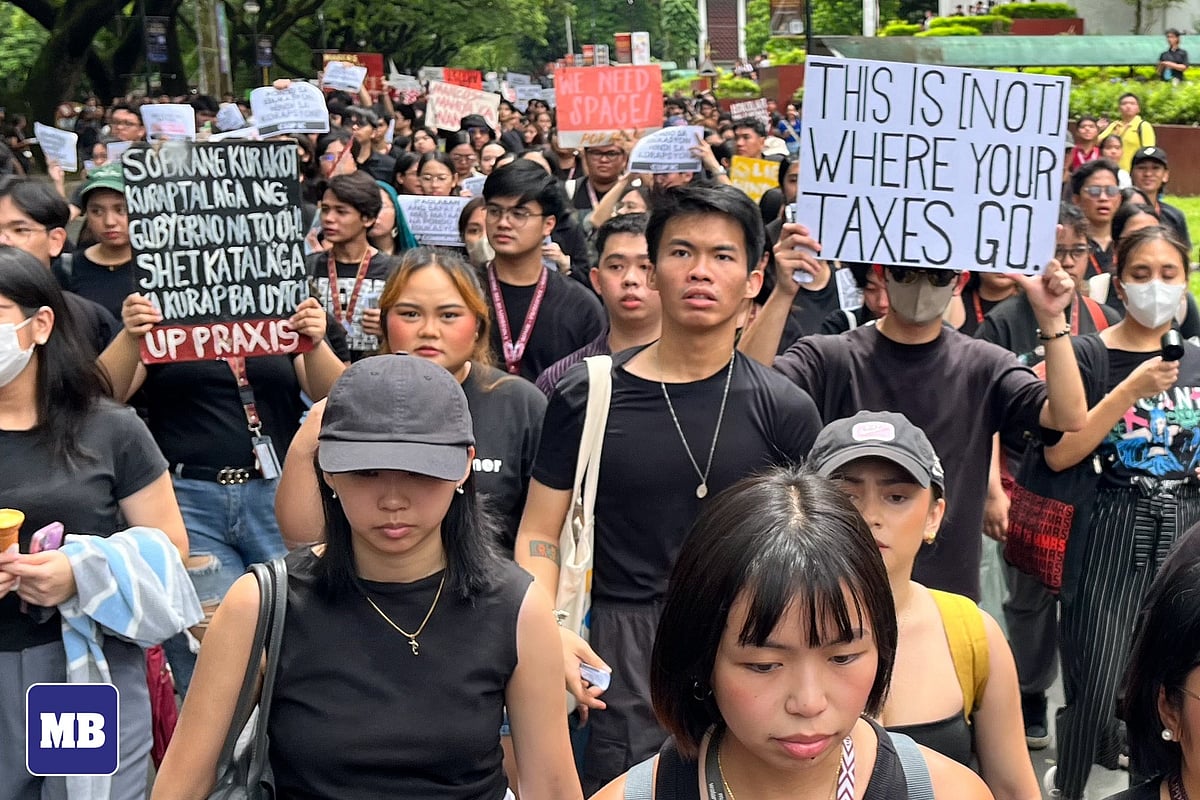
The growing frustration is manifesting in increasingly visible protests. While largely peaceful, demonstrations have seen instances of public anger directed at symbols of the alleged corruption, with protesters hurling mud, rotten fruit, and water balloons at homes and goverment offices. The Department of Public Works and Highways (DPWH) has even mandated its officials refrain from wearing uniforms to avoid becoming targets of public ire.
Fuelled by social media and a sense of generational disenfranchisement, young Filipinos – millennials and Gen Z – are organizing mass protest rallies scheduled for September 13th and 21st. These demonstrations are uniting flood survivors, environmental groups, and progressive youth organizations in a demand for transparency and accountability.
The situation echoes recent anti-corruption movements in Indonesia and Nepal, where sustained public pressure led to significant reforms and prosecutions. whether the current wave of outrage will translate into similar systemic change in the Philippines remains to be seen, but the scale of the alleged corruption and the intensity of the public response suggest the nation is at a critical crossroads.
