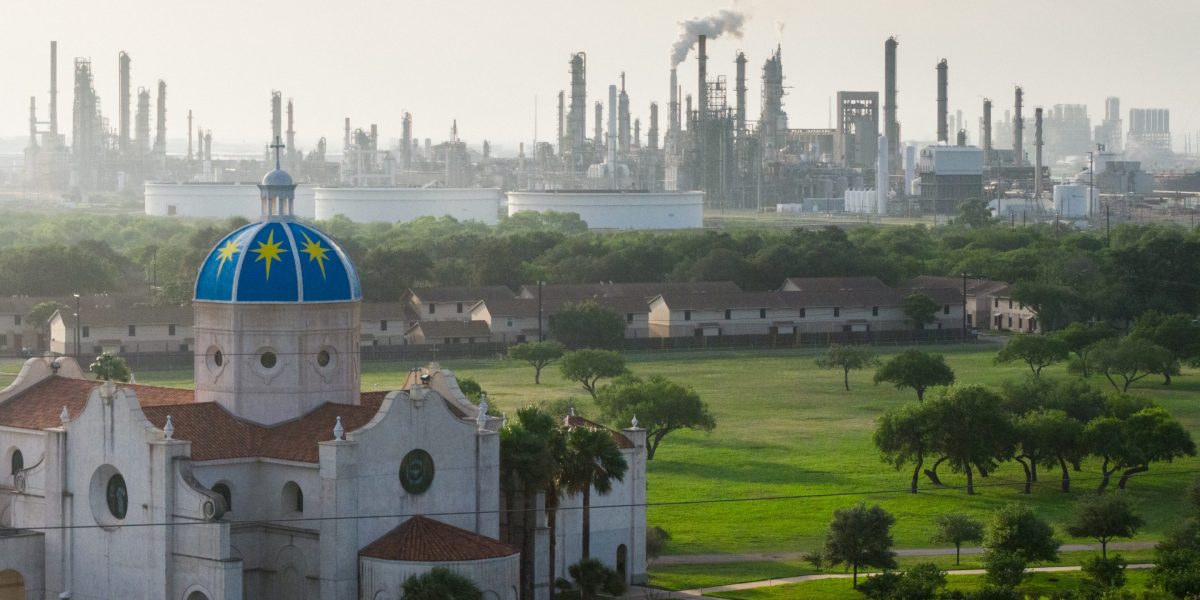
Corpus Christi’s Water Crisis: How Drought, Industrial Growth, and Failed Desalination Plans Threaten Texas’ Largest Oil Export Hub
Corpus Christi, Texas—the epicenter of U.S. Crude oil exports—faces a water crisis that threatens to disrupt $120 billion in annual energy trade flows by Q4 2026. With reservoirs at 8% capacity and a $1.2 billion desalination project scrapped, the city’s 500,000 residents and 200+ industrial clients now confront mandatory rationing, supply chain bottlenecks, and potential export halts. The fiscal domino effect? Petrochemical giants like Valero and Flint Hills Resources are already pivoting to reclaimed wastewater, while port operators scramble to secure alternative water sources before December’s emergency declaration.
The Fiscal Time Bomb: How Corpus Christi’s Water Crisis Will Reshape Energy Markets
The Port of Corpus Christi handles 40% of U.S. Crude exports—$120 billion in annual trade, per the Port Authority’s 2025 Annual Report. Yet its water supply, reliant on three drought-stricken river basins, is collapsing. Choke Canyon Reservoir and Lake Corpus Christi sit at 8% capacity, forcing the city to draw 73% of its water from the Colorado River and Lake Texana—both under strain. The result? A cascading risk to energy infrastructure, industrial operations, and municipal stability.
The Industrial Water Crunch: Petrochemicals vs. Municipal Needs
Corpus Christi’s water crisis isn’t just a municipal headache—it’s a supply chain fracture. The port’s growth, fueled by West Texas fracking and lifted oil-export bans in 2015, has doubled trade value since 2013. Yet the city’s last new water source dates to 2016. Industrial giants like Valero (NYSE: VLO) and Flint Hills Resources now face operational constraints: their cooling systems and refining processes can’t rely on rationed potable water. The fix? Reclaimed wastewater—1 million gallons/day slated for October 2026, scaling to 16 million gallons/day by 2027. But even this stopgap won’t offset the $2.5 billion in annual water-dependent industrial output at risk, per EIA’s 2026 Regional Energy Outlook.

“This isn’t just a drought—it’s a liquidity crisis for energy logistics. If Corpus Christi’s water cuts force port slowdowns, we’re looking at $500 million in delayed crude shipments by Q1 2027. The market’s already pricing in volatility—look at the 15-basis-point widening in Corpus Christi’s oil export insurance premiums over the past month.”
The Desalination Gambit: Why $1.2 Billion Went Down the Drain
Corpus Christi’s abandoned desalination plant—a $1.2 billion project funded by $750 million in state loans—was supposed to be the drought-proof solution. But rising costs, environmental concerns over brine discharge, and political infighting derailed it. Now, the city is eyeing a private-sector workaround: purchasing water from Corpus Christi Polymers’ nearly complete desalination facility, which could deliver 8 million gallons/day. The catch? Negotiations are stalled, and the city’s legal team is racing to secure permits before neighboring communities block the Evangeline aquifer wells—currently the only near-term lifeline.
- Q3 2026 Risk: Port operators face Brookings’ projected 8% decline in crude export volumes if water restrictions tighten.
- Q4 2026 Pivot: Industrial users will shift to reclaimed water, but treatment capacity lags behind demand.
- 2027 Wildcard: Climate models suggest NOAA’s extended drought forecasts could force Corpus Christi to ration water to 6,000 gallons/month—triggering evacuations or mass layoffs.
The B2B Fix: Who’s Building the Water-Resilient Supply Chain?
As Corpus Christi’s crisis deepens, three types of firms are positioning themselves as critical partners:

- [Water Infrastructure Consultants] specializing in desalination ROI modeling and brine management—critical for Corpus Christi’s stalled projects. Firms like Black & Veatch are already advising on alternative water sourcing strategies.
- [Corporate Law Firms] with expertise in water rights litigation, such as Vinson & Elkins, are being engaged to navigate the Evangeline aquifer permit battles.
- [Supply Chain Resilience Platforms] that help energy firms hedge against water-dependent bottlenecks. Companies like Dun & Bradstreet’s Risk Solutions are offering real-time water stress analytics to port operators.
The Bottom Line: A Crisis That’s Just Getting Started
Corpus Christi’s water emergency isn’t a Texas-only problem. It’s a systemic risk to U.S. Energy exports, with ripple effects across global oil markets. The city’s scramble to secure alternative water sources—whether through private desalination deals, groundwater wells, or wastewater recycling—will set the precedent for other drought-prone industrial hubs. For businesses operating in high-water-stress regions, the lesson is clear: water security is the new ESG compliance. The firms that help industries mitigate this risk today will define the resilience of tomorrow’s supply chains.
To explore vetted B2B solutions for water-stressed industries, visit the World Today News Global Directory—where corporations and consultants are already mapping the next phase of water-resilient infrastructure.