
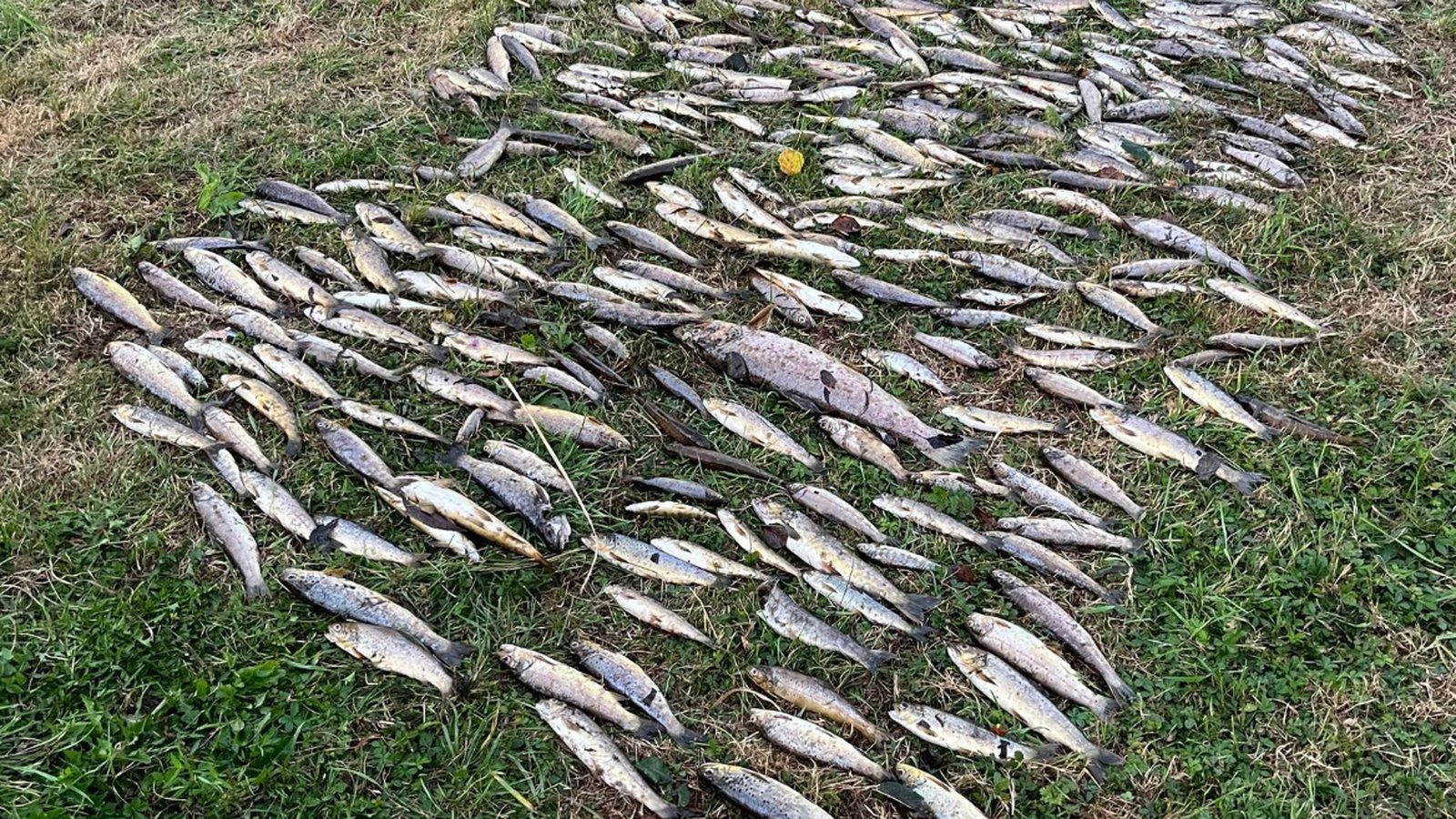
River Blackwater Fish kill: Up to 10,000 Trout Found Dead in Ireland
Table of Contents
A significant fish kill has devastated a stretch of the River Blackwater in County Cork, Ireland, with Inland Fisheries Ireland (IFI) estimating up to ten thousand wild brown trout have perished. The incident, initially reported last week by local anglers, is currently under investigation to determine the precise cause of death.
Extent of the Fish Kill
The affected area spans an eighteen-kilometer section of the river, approximately six kilometers downstream from Mallow near Killavullen, extending up to twelve kilometers upstream towards Banteer Bridge. Further reports indicate diseased fish have also been observed in the Awbeg and Clyda rivers, both of which flow into the Blackwater west of Mallow.
Did You Know?
Brown trout are a key indicator species for river health, making this event particularly concerning for the ecosystem.
Investigation and Testing
Diagnostic testing, conducted by the Marine Institute four days ago, is underway to pinpoint the cause of the mass mortality. Officials anticipate results within three weeks. Sean Long, Director of IFI’s South-Western River Basin District, stated, “Disease outbreaks can occur in wild fish populations and are influenced by numerous factors including environmental change.”
Currently, no evidence of polluting or harmful discharges into the river has been detected. IFI officers are continuing to actively monitor the watercourse for any changes or further signs of distress. The IFI is working to understand if the event is linked to broader environmental stressors or a localized incident.
Key Data summary
| Metric | Value |
|---|---|
| Estimated Trout Deaths | Up to 10,000 |
| Affected river Length | 18 km |
| Downstream Distance from Mallow | 6 km |
| Upstream Distance from Banteer Bridge | 12 km |
| Testing Timeline | 3 weeks (for results) |
The Marine Institute’s Fish Health Unit has advised against removing dead fish from the water,suggesting it is not necessary at this stage of the investigation.
Pro Tip:
Reporting any sightings of dead or distressed fish to local authorities is crucial for rapid response and monitoring.
Potential Causes and context
Fish kills can stem from a variety of factors, including pollution events (agricultural runoff, industrial discharge), sudden changes in water temperature, disease outbreaks, or oxygen depletion. According to the Environmental Protection Agency (EPA), “Maintaining good water quality is essential for protecting fish populations and the overall health of our aquatic ecosystems” [EPA Ireland]. The Blackwater is known for its rich biodiversity and is a popular destination for angling,making this incident particularly impactful.
What long-term effects might this fish kill have on the River Blackwater’s ecosystem? How can local communities contribute to the river’s recovery and future health?
Understanding Fish Kills and River Health
Fish kills are sadly a recurring issue in rivers and lakes worldwide, often signaling underlying problems with water quality or ecosystem health. Factors like climate change,agricultural practices,and urbanization are increasingly contributing to these events. monitoring water quality, reducing pollution, and restoring riparian habitats are crucial steps in preventing future fish kills and protecting our valuable freshwater resources. The impact of such events extends beyond the immediate loss of fish, affecting the entire food web and possibly impacting local economies reliant on angling and tourism.
Frequently Asked Questions About the River Blackwater Fish kill
- What caused the fish kill in the River Blackwater? The cause is currently under investigation, with results expected in three weeks.
- What species of fish were affected? Primarily wild brown trout, with an estimated up to 10,000 deaths.
- is the water safe for recreational use? IFI has not issued any advisories against recreational use at this time, but monitoring is ongoing.
- What is Inland Fisheries Ireland doing to address the situation? IFI is conducting diagnostic testing, monitoring the watercourse, and assessing the extent of the damage.
- Can I help with the recovery effort? Reporting any sightings of dead or distressed fish to IFI is helpful.
We will continue to update this story as more details becomes available. Please share this article with your network to raise awareness about this critical environmental issue.
