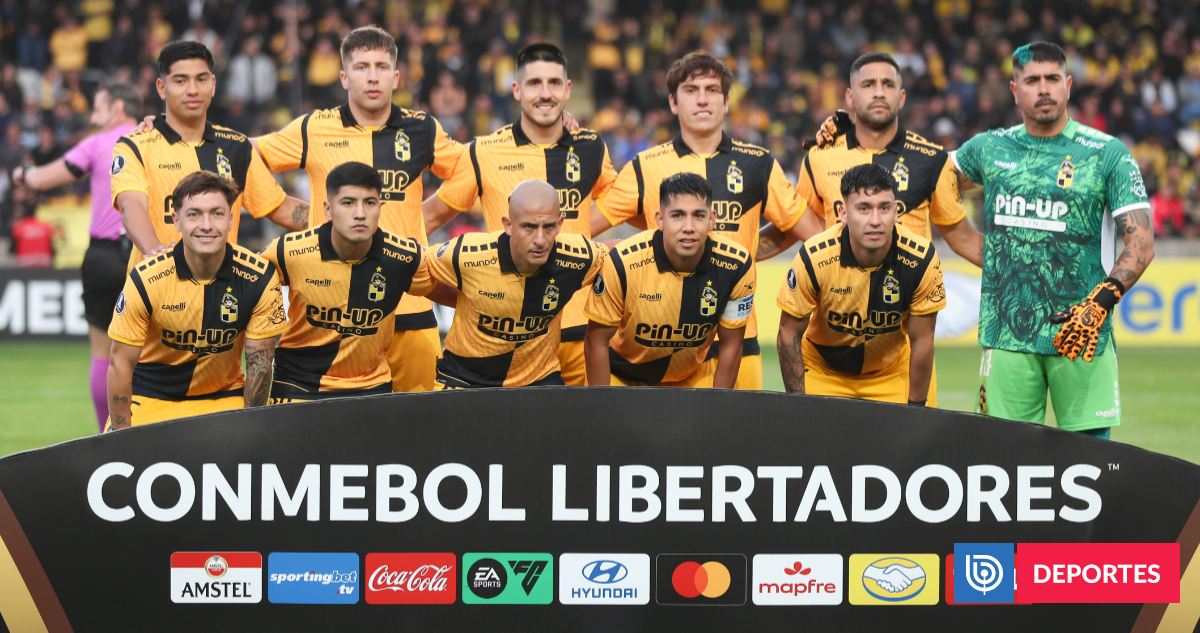
Coquimbo Unido 1-1 Nacional: Copa Libertadores Match Result
Coquimbo Unido secured a dramatic 1-1 draw against Nacional in their Copa Libertadores Group B opener on April 8, 2026, at Estadio Francisco Sánchez Rumoroso. Returning to the continental stage after a 34-year hiatus as Chilean champions, the “Piratas” salvaged a point with a 95th-minute equalizer from Manuel Fernández to split the points.
The result exposes a recurring tactical friction point for Hernán Caputto’s side: the disparity between territorial dominance and clinical execution. While Coquimbo dictated the rhythm for the vast majority of the match, the inability to break down a disciplined Uruguayan low-block for nearly 90 minutes suggests a deficiency in transitional efficiency. For a club returning to this level after more than three decades, the psychological weight of the occasion was evident, though the underlying data points to a team capable of sustained pressure.
The Tactical Standoff: Possession vs. Pragmatism
Looking at the raw match data, the disparity in control was staggering. Coquimbo Unido commanded 68.2% of the possession, compared to Nacional’s 31.8%. This dominance was not merely superficial; the “Piratas” registered 16 shot attempts, with 8 on target, while Nacional managed only 7 attempts, only 2 of which tested the keeper. This indicates a game defined by a siege mentality, where Coquimbo operated in the final third while Nacional focused on verticality and defensive compactness.
Nacional’s strategy was a masterclass in pragmatic absorption. They surrendered the midfield to Coquimbo, opting instead to protect the central corridor and strike on the break. This approach paid dividends in the 22nd minute. A precise aerial delivery from Nicolás Lodeiro found Sebastián Coates at the near post, who converted with a powerful header. For the remainder of the match, Nacional operated in a disciplined 4-1-4-1 structure, prioritizing zonal marking and limiting Coquimbo’s options for penetration through the half-spaces.
“The central ‘Pirata’ took advantage of a rebound from the Nacional goalkeeper and found the definitive equality in the Sánchez Rumoroso.”
The equalizer in the 95th minute was less a product of a tactical breakthrough and more a result of sustained physical pressure and a momentary lapse in Nacional’s concentration. Manuel Fernández’s left-footed strike from close range was the culmination of a relentless assault that finally breached the Uruguayan defense. This late-game surge highlights the importance of periodization and fitness levels in the Libertadores, where matches often become wars of attrition in the closing stages.
The Physical Toll of Continental Competition
The intensity of this encounter, coupled with a rigorous domestic schedule—including Coquimbo’s recent 3-2 victory over Cobresal—places an immense load on the players’ musculoskeletal systems. The high-pressing game employed by Caputto requires elite-level recovery protocols to prevent soft-tissue injuries during the congested Group B calendar. While the professional squad has access to internal medical teams, the physical demands of this level of play mirror the challenges faced by elite amateurs. Local athletes pushing their bodies to similar limits must prioritize local orthopedic specialists and rehab centers to manage inflammation and prevent long-term joint degradation.
Nacional’s ability to withstand 68% possession for nearly the entire match speaks to their defensive conditioning. However, the late goal suggests a dip in cognitive load management, a common occurrence when a team spends 90 minutes in a deep defensive shell. The physical exhaustion mentioned in broader tournament trends is a real threat, as players struggle to balance high-intensity sprints with the tactical discipline required to maintain a low-block.
Regional Economic Surge and Infrastructure Pressure
Beyond the tactical whiteboard, the return of Coquimbo Unido to the Copa Libertadores after 34 years has triggered a significant economic halo effect in the region. With over 13,000 fans packing the Estadio Francisco Sánchez Rumoroso, the local hospitality sector experienced a sudden spike in demand. This influx of supporters and visiting officials creates a logistical vacuum that often exceeds the capacity of existing municipal services.
The sudden transition from domestic league fixtures to international events necessitates a professionalization of stadium operations. The increased crowd density and the high-profile nature of a match against a three-time champion of America like Nacional require specialized oversight. To handle such surges, clubs and city planners are increasingly relying on regional event security and premium hospitality vendors to ensure fan safety and maximize match-day revenue through VIP experiences and streamlined entry protocols.
The Long-Term Blueprint for the “Piratas”
The 1-1 draw is a respectable start, but the “Piratas” must evolve their attacking patterns if they intend to progress past the group stage. Relying on late-game rebounds and high possession without high-quality xG (Expected Goals) is a dangerous gamble against elite South American opposition. The focus must shift toward creating more high-probability chances through rapid ball circulation and better exploitation of the flanks.
This return to the continental stage too serves as a powerful catalyst for the next generation of athletes in Coquimbo. The visibility of the Libertadores provides a tangible pathway for local talent, emphasizing the need for structured development. For aspiring players in the region, integrating with vetted youth athletic programs is essential to bridge the gap between local talent and the professional requirements of international football.
As Coquimbo Unido navigates the remainder of Group B, their trajectory will depend on whether they can translate their possession stats into scoreboard pressure. The emotional high of the 34-year return has been achieved; now, the clinical reality of the tournament begins. The “Piratas” have the heart and the ball—now they need the finish.
Disclaimer: The insights provided in this article are for informational and entertainment purposes only and do not constitute medical advice or sports betting recommendations.