COP31 Delegates Condemn Summit as ‘Worst Ever’ Amid Stalemate Over Fossil Fuel Phaseout and Finance
COP31 delegates meeting in Antalya, Turkey, face a stalemate on Friday as climate advocacy groups and Indigenous organizations condemn the summit as the “worst COP ever.”
The rejection of the latest draft text centers on the absence of a fossil fuel phaseout and insufficient climate finance for developing nations.
The impasse comes on the final scheduled day of the summit, though negotiations are expected to extend beyond the original deadline. Climate Action Network International, representing over 2,500 civil society groups, described the current draft text as a “disgrace,” Democracy Now! reported. Activists and delegates in the plenary sessions have repeatedly chanted “shame” to signal their rejection of the proposal.
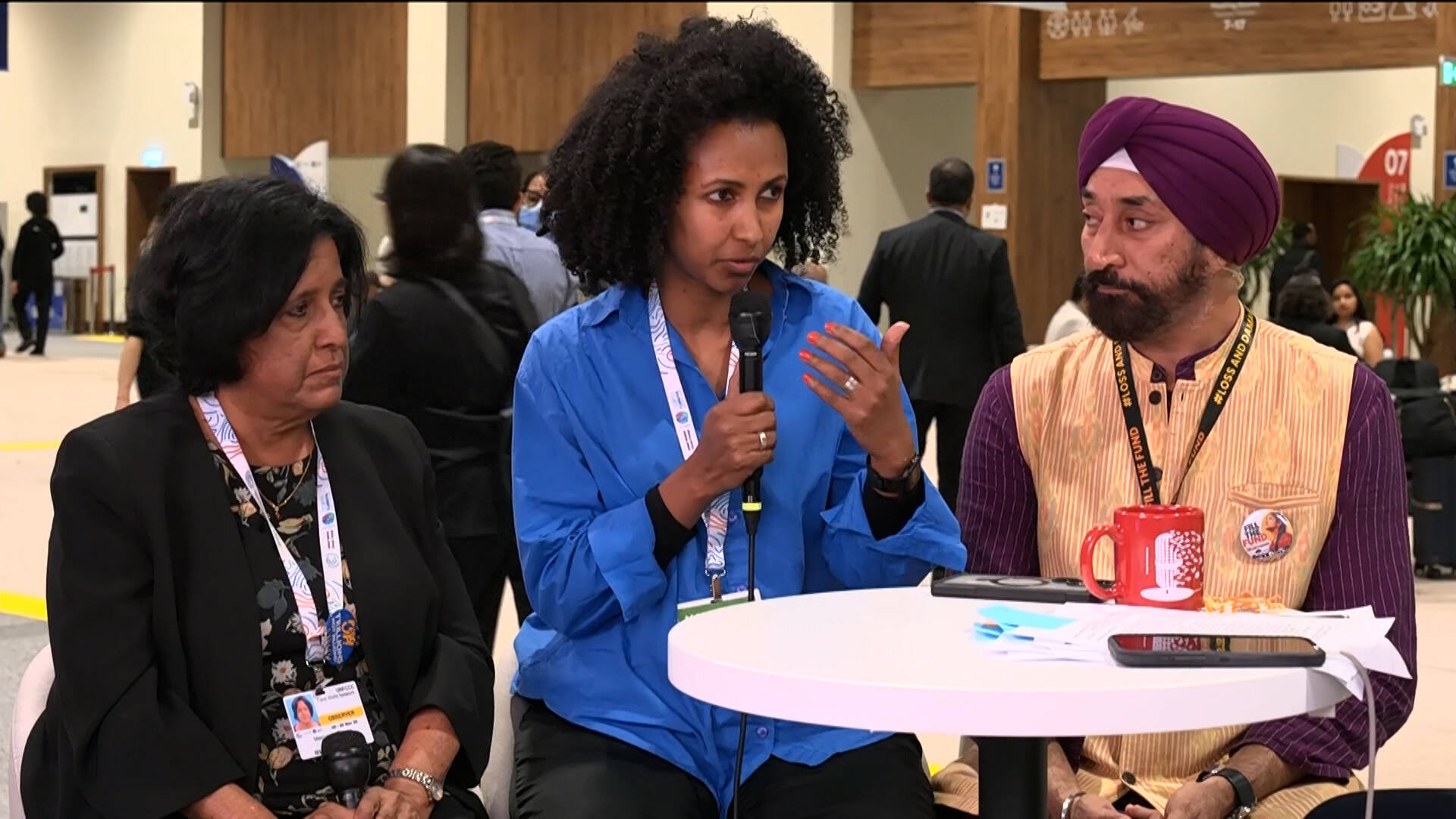
“This COP was being touted as a COP of implementation, but what it has become is a COP of betrayal and a COP of distraction” said Harjeet Singh, strategic adviser to the Fossil Fuel Treaty Initiative, told Democracy Now!.
Panama’s Environment Minister Juan Carlos Navarro has threatened to block any final agreement that fails to include a cap on oil production. Navarro, speaking alongside representatives from nations including Finland, Belgium, and Guatemala, described the current situation as a hostage crisis orchestrated by the “petroleum mafia.”
“I do not bear good news. We are being held hostage by the petroleum mafia,” Navarro told Democracy Now! during a news conference held shortly before the broadcast.
Adaptation Pledges Reach $50 Million, Far Below Needs
The core of the dispute involves the provision of adaptation finance, which is intended to help vulnerable regions prepare for climate-driven disasters. Developing nations and advocacy groups argue that the current financial commitments are inadequate compared to the scale of destruction caused by historical emissions.
Tasneem Essop, executive director of Climate Action Network International, said that the total pledges for adaptation finance at the summit reached approximately $50 million. She compared this figure to the cost of a single F-35 Lightning fighter jet, which is roughly double the total amount pledged, according to Democracy Now!.
| Financial Metric | Reported Value |
|---|---|
| Total Adaptation Pledges | $50 million |
| Nepal Recovery Need | $5 billion |
| Global Military Spending | $3 trillion |
Harjeet Singh, strategic adviser to the Fossil Fuel Treaty Initiative, highlighted the case of Nepal, where glacial lake outburst floods caused an estimated $2.6 billion in damage. He said that the country now requires $5 billion for recovery, an amount equivalent to 10% of its national GDP. Singh told Democracy Now! that the failure to provide adequate adaptation funds is a direct result of historical inaction regarding fossil fuel emissions.
The Shift in Negotiating Dynamics
Civil society organizations have criticized the European Union's role. Avantika Goswami of the Centre for Science and Environment in India said that the EU has assumed the position previously held by the United States as a primary blocker of progress. Goswami told Democracy Now! that the EU’s failure to lead on climate finance contradicts its public commitments to the Paris Agreement.
Mohamed Adow of Power Shift Africa emphasized that the lack of financial support forces vulnerable countries into debt while they attempt to protect themselves from crises they did not cause. The disagreement over funding is absolute, as some EU representatives have reportedly characterized the prospect of new finance as being “dead in the water,” according to Meena Raman of Third World Network and Friends of the Earth Malaysia.
The conflict remains unresolved as delegations continue to debate the language of the final declaration. Whether the summit can produce a binding agreement that addresses the demands of the Global South remains unclear, as the final text currently excludes both a clear fossil fuel phaseout and concrete financial commitments from major emitting nations.
Founded in 1989 by Michael Oppenheimer in West Germany, Climate Action Network International coordinates more than 1,800 environmental NGOs across over 130 countries. The network publishes the ECO newsletter during UN climate negotiations and presents the satirical Fossil of the Day Awards to countries seen as blocking progress.
“We are being held hostage by the petroleum mafia,” said Juan Carlos Navarro, Environment Minister of Panama, as negotiations continued into the evening on November 20, 2026.