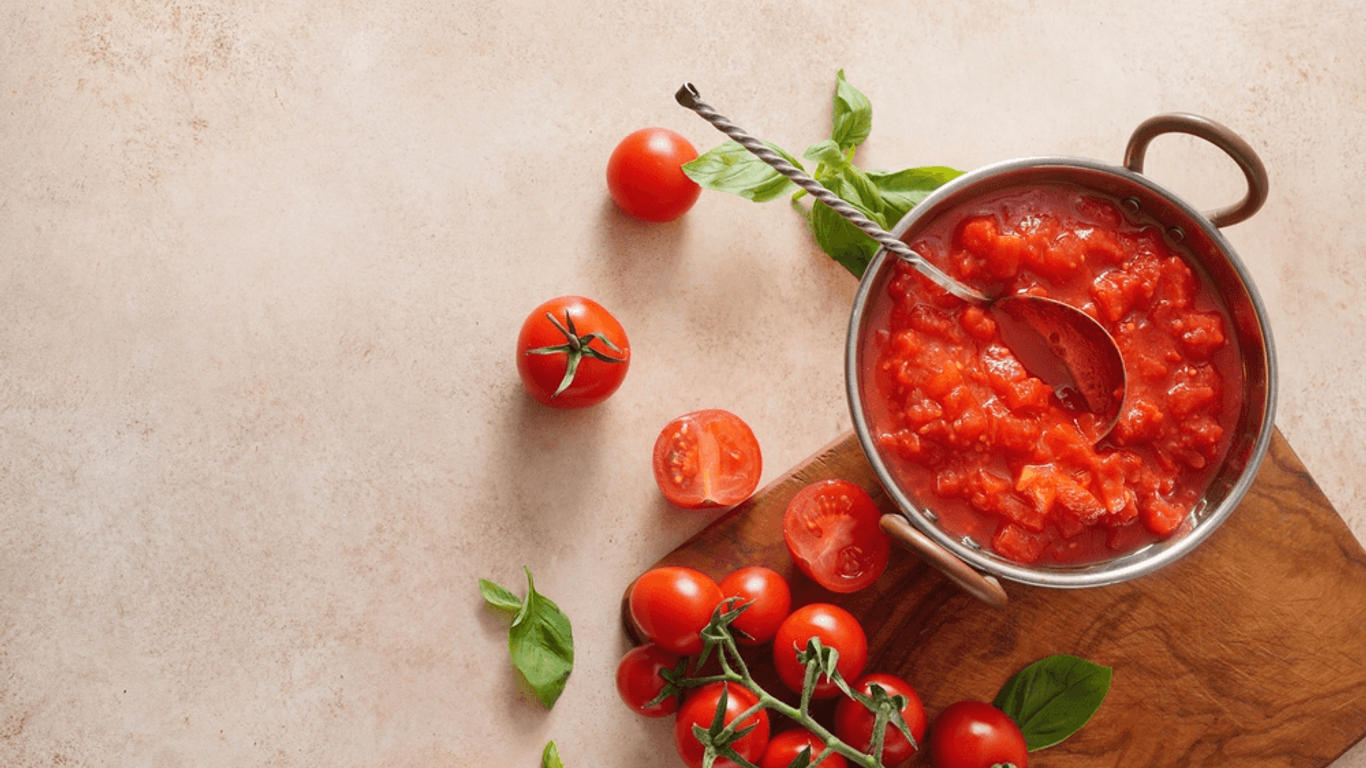
Cooked vs. Raw Tomatoes: Which Is Healthier?
Thermal processing of tomatoes significantly increases the bioavailability of lycopene, a potent carotenoid antioxidant, by breaking down the plant’s rigid cellular matrix. While raw tomatoes offer higher concentrations of heat-sensitive nutrients like Vitamin C, the conversion of lycopene into its more absorbable cis-isomer form during cooking provides a distinct clinical advantage for cardiovascular health and cellular oxidative stress mitigation.
Key Clinical Takeaways:
- Cooking tomatoes ruptures cell walls, facilitating the release of lycopene, which the body absorbs more efficiently than from raw fruit.
- Raw tomatoes retain superior levels of water-soluble vitamins, specifically Vitamin C and certain B-vitamins, which are susceptible to thermal degradation.
- Optimal nutritional intake relies on a dietary matrix that includes both forms to leverage the synergistic benefits of varied micronutrient profiles.
Thermal Processing and Lycopene Bioavailability
The nutritional profile of Solanum lycopersicum undergoes a fundamental shift during thermal processing. According to research published in the Journal of Agricultural and Food Chemistry, heat treatment—such as boiling, steaming, or sautéing—induces the isomerization of lycopene from the trans-configuration to the cis-configuration. This structural change is critical, as the cis-isomer is significantly more bioavailable in human plasma.
The cellular architecture of the raw tomato presents a mechanical barrier to nutrient absorption. The rigid cell walls contain lycopene within chromoplasts. Thermal energy disrupts these structures, effectively “unlocking” the antioxidant for systemic uptake. Data from the National Institutes of Health (NIH) suggests that the addition of healthy lipids, such as olive oil, further enhances this absorption process, as lycopene is a lipophilic compound. Patients seeking to manage markers of systemic inflammation may find that incorporating heat-processed tomato products—such as sauces or stews—into their diet provides a more concentrated delivery of this specific phytonutrient.
Nutrient Retention in Raw Tomatoes
While thermal processing optimizes lycopene, it simultaneously degrades heat-labile compounds. Vitamin C (ascorbic acid) is particularly vulnerable to oxidation and thermal exposure. Per the World Health Organization (WHO) dietary guidelines, maintaining a diverse intake of raw vegetables is essential for ensuring the stability of water-soluble vitamins that support immune function and collagen synthesis.
“The health benefit is not a binary choice between raw and cooked, but rather a strategic integration of both,” states Dr. Elena Rossi, a clinical nutritionist specializing in metabolic health. “By consuming raw tomatoes, patients receive a robust dose of Vitamin C and dietary fiber, while cooked preparations provide the high-density lycopene required for long-term vascular protection.”
Clinical Triage and Nutritional Optimization
Determining the appropriate dietary intervention requires an understanding of a patient’s specific health markers. Individuals with a family history of cardiovascular disease or those managing elevated oxidative stress levels may benefit from a diet prioritized toward processed tomato products. Conversely, those seeking to optimize general immune resilience should maintain a consistent intake of raw produce.
For patients navigating chronic metabolic conditions, individualized dietary planning is necessary to ensure that nutritional changes complement, rather than conflict with, existing medical protocols. It is highly recommended to consult with board-certified clinical dietitians or preventative cardiology specialists to tailor nutritional intake to specific biomarker targets.
Monitoring Systemic Health Outcomes
The impact of dietary lycopene on long-term morbidity is a subject of ongoing epidemiological study. Research, including longitudinal data curated by the National Cancer Institute, continues to investigate the correlation between high lycopene intake and the reduction of cellular damage. As clinical understanding evolves, the precision with which we prescribe dietary habits becomes increasingly important.
Healthcare providers managing complex patient cases often require diagnostic clarity before recommending significant dietary shifts. Utilizing advanced metabolic diagnostic centers allows for the precise measurement of plasma antioxidant levels, providing an objective baseline for tracking the efficacy of nutritional interventions. Maintaining this data-driven approach ensures that dietary recommendations remain grounded in clinical reality rather than generalized wellness trends.
Disclaimer: The information provided in this article is for educational and scientific communication purposes only and does not constitute medical advice. Always consult with a qualified healthcare provider regarding any medical condition, diagnosis, or treatment plan.