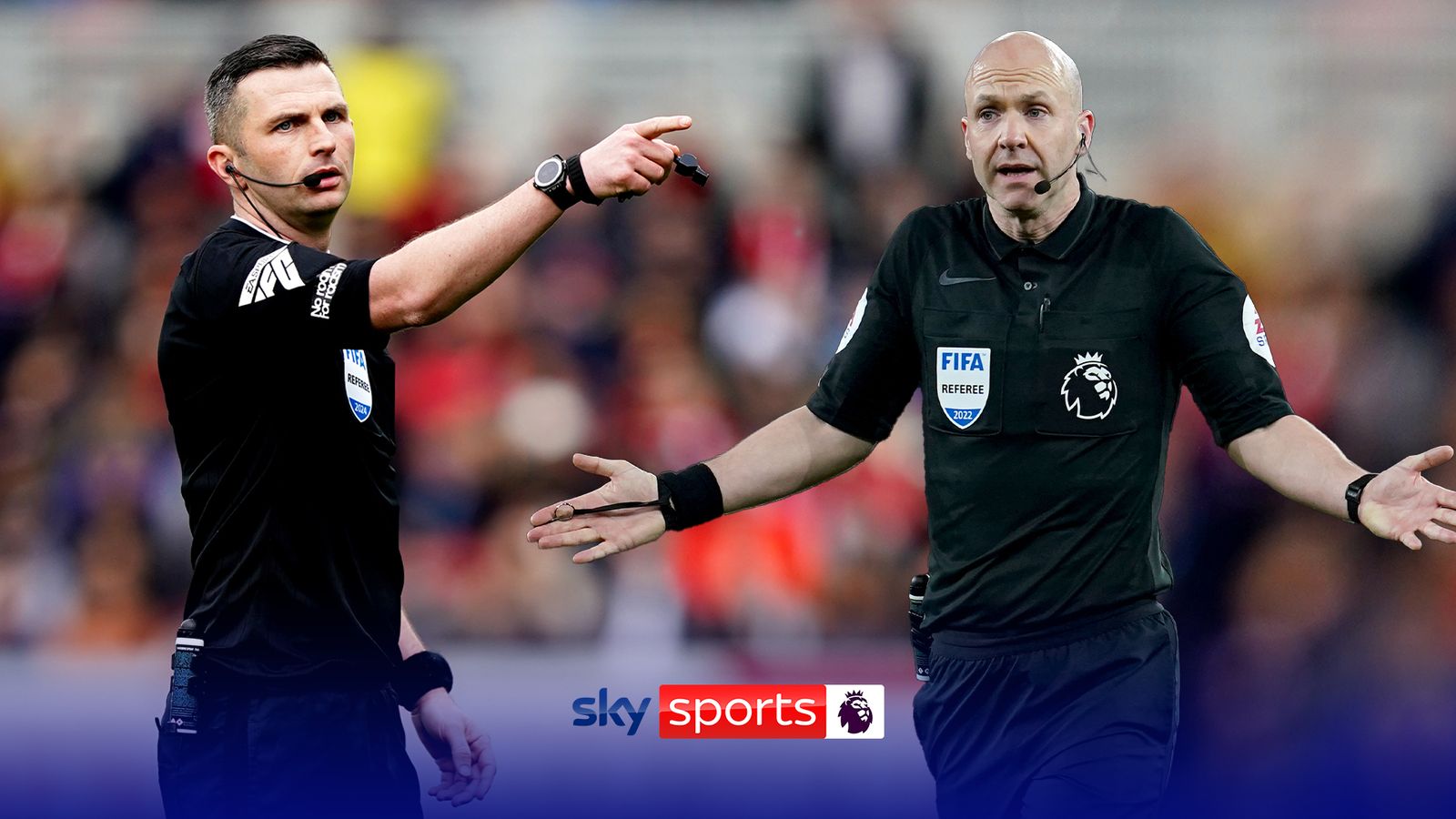
Controversy Over Referee Neutrality in England Games
FIFA prohibits referees from officiating World Cup matches involving teams from their own country or nations with significant historical or political tensions to ensure neutrality. This policy prevents English officials from refereeing Argentina due to the long-standing geopolitical friction between the UK and Argentina, primarily centered on the sovereignty of the Falkland Islands.
The debate over these restrictions has resurfaced among fans and analysts as the 2026 World Cup cycle progresses. While some view the ban as an outdated formality, FIFA maintains that the perceived lack of impartiality can jeopardize the integrity of a tournament. The problem isn’t just about the individual referee’s bias, but the reaction of the players, coaches, and millions of spectators who may perceive a “conflict of interest” during high-stakes moments.
The Geopolitical Logic Behind FIFA Neutrality Rules
FIFA’s referee appointment criteria are designed to avoid “conflicts of interest.” According to the FIFA Statutes and internal competition regulations, the organization avoids assigning officials to matches where a national or political rivalry could influence the game’s outcome or the public’s perception of it.

The tension between England and Argentina is not merely athletic; it is rooted in the 1982 Falklands War. This historical conflict created a diplomatic rift that persists in both the UK and Argentina. When an English referee takes the whistle for an Argentinian match, they aren’t just a sports official—they become a representative of a state with which Argentina has a disputed border.

This isn’t an isolated case. Similar restrictions apply to other high-tension pairings. For example, officials from Scotland or Ireland are generally not appointed to England matches to avoid the volatility of “Home Nations” rivalries. These rules exist to prevent the “boiling point” where a single penalty call is interpreted as a political statement rather than a sporting decision.
One refereeing consultant noted that the pressure on an official in such a match is unsustainable.
“The moment a controversial decision is made, the narrative shifts from the rules of the game to the history of the nations. FIFA removes that variable entirely to protect the officials and the tournament’s image.”
Comparing Regional Tensions and Officiating Bans
To understand the scale of these restrictions, it is helpful to look at how FIFA handles various levels of conflict across different regions.
| Conflict Type | Example Pairing | Primary Driver | FIFA Action |
|---|---|---|---|
| Sovereignty Dispute | England vs. Argentina | Falkland Islands / Malvinas | Strict Neutrality / Avoidance |
| Regional Rivalry | England vs. Scotland | UK Home Nations Friction | Avoidance of Direct Neighbors |
| Political Conflict | Serbia vs. Albania | Balkan Political Tensions | High-Alert Neutrality |
These restrictions create a logistical hurdle for tournament directors. As the number of elite referees dwindles, the pool of “safe” candidates for certain matches shrinks. This often leads to the appointment of referees from neutral third-party continents—such as a Japanese official handling a South American clash—to ensure absolute detachment.
The Infrastructure of International Dispute Resolution
When political tensions bleed into sports, the fallout often extends beyond the pitch. Diplomatic incidents can trigger travel warnings, visa restrictions, or security surges in host cities. For the 2026 tournament, which spans the US, Canada, and Mexico, managing the movement of fans from rival nations requires intense coordination with municipal authorities.
Cities hosting these matches must prepare for potential volatility. This is where the need for specialized international security consultants becomes critical. Local police departments often lack the geopolitical context to manage specific nationalistic frictions, requiring the intervention of firms that specialize in crowd control and diplomatic security.
Furthermore, the legal complexities of hosting teams from nations in diplomatic deadlock often require the expertise of international law firms to navigate visa protocols and government-to-government agreements. Ensuring that a team can enter a country without triggering a diplomatic crisis is a matter of high-level legal engineering.
The Long-Term Impact on Refereeing Standards
The reliance on “neutrality” over “proximity” has sparked a debate about the globalization of the sport. Critics argue that by banning the best referees from certain matches based on their passport, FIFA may be sacrificing quality for the sake of optics. However, the alternative—a match decided by a referee accused of nationalistic bias—would be a catastrophic failure for the FIFA World Cup brand.

As we move deeper into the 2026 cycle, the push for VAR (Video Assistant Referee) technology is intended to mitigate some of this bias. While a human referee can be swayed by the crowd or their own history, a calibrated line on a screen is theoretically impartial. Yet, the “human element” remains the core of the sport, and the passport of the man in the middle continues to matter.
The friction between England and Argentina serves as a reminder that sports do not exist in a vacuum. They are a mirror of the world’s geopolitical scars. Whether it is a dispute over islands in the South Atlantic or borders in the Balkans, the whistle is never truly neutral if the history behind it is loud enough.
For those managing the logistical and legal fallout of these international tensions—from security firms to diplomatic consultants—the complexity of the 2026 tournament is a prime example of why verified expertise is non-negotiable. Finding the right [International Legal Consultant] or [Global Security Firm] through the World Today News Directory ensures that the focus remains on the game, not the conflict.