
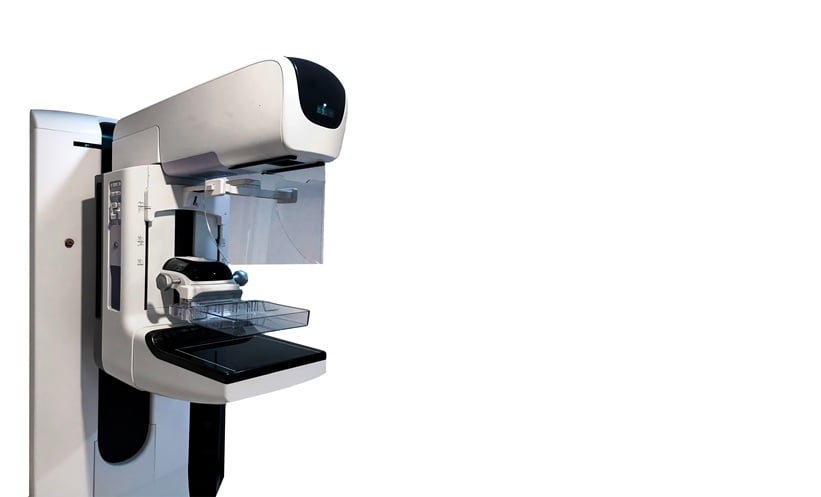
Contrast-Enhanced Mammography vs MRI in Breast Cancer Care
As of May 2026, the diagnostic landscape for breast cancer imaging stands at a critical juncture. Contrast-Enhanced Mammography (CEM) is increasingly positioned as a viable, cost-effective alternative to Magnetic Resonance Imaging (MRI) for high-risk screening and diagnostic workups. While MRI remains the gold standard for sensitivity, its utility is often hampered by high costs, long scan times, and patient claustrophobia, creating a clear clinical gap that CEM is now poised to fill.
Key Clinical Takeaways:
- CEM utilizes iodinated contrast agents to highlight areas of neoangiogenesis, providing functional imaging data comparable to MRI in several clinical cohorts.
- Recent comparative analyses indicate that CEM offers a superior patient experience and lower barriers to access without sacrificing diagnostic specificity.
- Implementation of CEM requires rigorous radiologic training and institutional protocols to manage potential hypersensitivity reactions to contrast media.
The pathogenesis of breast malignancy relies on the rapid development of tumor vasculature—a process known as angiogenesis. MRI traditionally detects this through dynamic contrast-enhanced (DCE) sequences using gadolinium-based agents. However, emerging longitudinal data suggests that CEM, which employs low-energy and high-energy X-ray images to isolate contrast uptake, matches the diagnostic sensitivity of MRI while significantly reducing the logistical burden on healthcare facilities. Per a systematic review published in the European Journal of Radiology, the diagnostic performance of CEM in detecting occult lesions is robust, demonstrating a pooled sensitivity often exceeding 90% in dense breast tissue.
Comparative Efficacy and Diagnostic Thresholds
To understand the shifting paradigm, we must evaluate the technical specifications of both modalities. MRI provides superior soft-tissue contrast, yet its reliance on complex magnetic fields introduces significant contraindications, such as the presence of non-compatible metallic implants or severe renal impairment where gadolinium-based contrast agents (GBCAs) pose a risk of nephrogenic systemic fibrosis. CEM utilizes iodinated contrast, which is generally well-tolerated, though it requires careful screening for iodine allergy and pre-existing thyroid dysfunction.
| Feature | Contrast-Enhanced Mammography (CEM) | Breast MRI (DCE-MRI) |
|---|---|---|
| Primary Mechanism | Iodinated Contrast / Angiogenesis | Gadolinium / Vascular Permeability |
| Scan Duration | 10–15 Minutes | 30–45 Minutes |
| Accessibility | High (Standard Mammography Units) | Moderate (Specialized Centers) |
| Patient Comfort | High (Similar to standard mammo) | Low (Claustrophobia/Noise) |
The data supporting this transition is primarily derived from studies funded by institutional research grants and medical imaging technology developers, such as GE Healthcare and Hologic, who have spearheaded the refinement of dual-energy hardware. According to the American College of Radiology (ACR) guidelines, the adoption of CEM is expanding within specialized breast centers, particularly for patients who cannot undergo MRI. For institutions looking to integrate this technology, coordinating with specialized radiology consultants is essential to ensure proper staff training and adherence to radiation safety protocols.
The Clinical Gap: Access and Infrastructure
Despite the promise of CEM, a significant gap exists in the standardization of interpretation. Unlike MRI, which has long-established BI-RADS (Breast Imaging-Reporting and Data System) descriptors, CEM interpretation requires radiologists to integrate both morphological and functional data from dual-energy acquisitions. This learning curve is a known barrier to widespread adoption. The integration of AI-driven post-processing software is currently being evaluated in Phase III clinical trials to reduce inter-observer variability.

“The transition toward CEM is not merely a technical upgrade; it is a fundamental shift in how we manage patient throughput and diagnostic accessibility. By mirroring the functional sensitivity of MRI in a format that feels like a routine screening, we significantly improve patient compliance, which is the cornerstone of early detection.” — Dr. Elena Vance, Senior Consultant in Diagnostic Oncology.
For patients navigating complex diagnostic pathways, the choice between imaging modalities should be guided by a multidisciplinary tumor board. If you are a patient seeking clarity on which diagnostic path is appropriate for your specific risk profile—including genetic predispositions like BRCA1/2 mutations—it is imperative to engage with board-certified medical oncologists who can interpret these imaging results within the broader context of your clinical history.
Operational Implementation and Regulatory Compliance
For hospital administrators and outpatient clinics, the shift toward CEM involves more than just purchasing hardware. It requires an audit of the facility’s contrast administration protocols and emergency preparedness. The regulatory landscape, monitored by agencies like the FDA and EMA, emphasizes the importance of managing contrast-related adverse events. Many facilities are now partnering with healthcare compliance attorneys to navigate the shifting liability frameworks associated with new imaging technologies and to ensure that their informed consent processes are robust enough to meet current legal standards.

As we look toward the future, the integration of CEM into routine clinical workflows seems inevitable. The reduction in false positives compared to traditional screening mammography provides a compelling argument for its use as a primary diagnostic tool in high-density breasts. While it may not entirely replace the high-resolution tissue characterization afforded by MRI, its role as a “gatekeeper” diagnostic is firmly established. Clinicians and facility managers must remain vigilant, prioritizing evidence-based screening protocols that balance sensitivity, specificity, and the psychological impact of diagnostic uncertainty on the patient population.
Disclaimer: The information provided in this article is for educational and scientific communication purposes only and does not constitute medical advice. Always consult with a qualified healthcare provider regarding any medical condition, diagnosis, or treatment plan.