
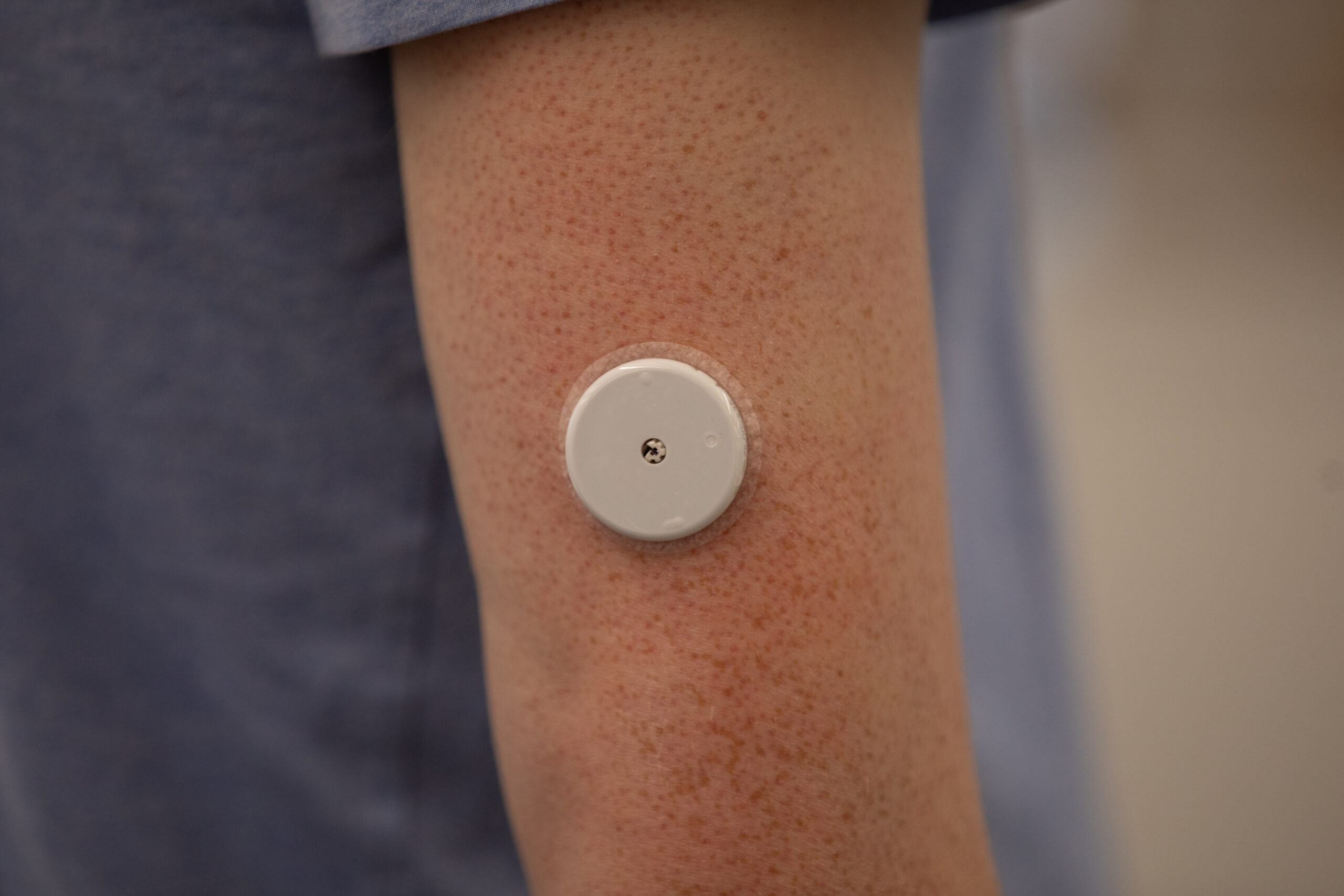
Continuous Glucose Monitoring Expands for Type 2 Diabetes
The paradigm of glycemic control is shifting. For decades, Continuous Glucose Monitoring (CGM) was the exclusive domain of Type 1 diabetes management, but a clinical pivot is now bringing this real-time data to the millions living with Type 2 diabetes (T2D), fundamentally altering the standard of care.
Key Clinical Takeaways:
- CGM is moving beyond Type 1 diabetes to provide critical “time-in-range” data for Type 2 patients, reducing reliance on sporadic A1c snapshots.
- Real-time feedback loops allow for immediate pharmacological and lifestyle adjustments, significantly lowering the risk of severe hypoglycemic events.
- The expansion is driven by a shift toward personalized metabolic medicine and a growing body of evidence supporting improved HbA1c reduction.
The clinical gap in Type 2 diabetes management has long been the “blind spot” between quarterly A1c tests. While the A1c provides a three-month average, it obscures glycemic variability—the dangerous swings between hyperglycemia and hypoglycemia that drive long-term morbidity. For patients on insulin or sulfonylureas, this variability increases the risk of cardiovascular complications and neuropathy. The integration of CGM into T2D protocols solves this by replacing episodic data with a continuous stream of biological intelligence, allowing clinicians to visualize the pathogenesis of a patient’s glucose spikes in relation to specific dietary triggers or medication timing.
The Metabolic Shift: From Episodic Testing to Continuous Intelligence
The transition toward CGM in Type 2 diabetes is not merely a convenience; it is a response to the limitations of capillary blood glucose monitoring. According to a comprehensive meta-analysis published in PubMed, patients utilizing CGM demonstrate a more significant reduction in HbA1c compared to those using traditional finger-stick methods. This is attributed to the “biofeedback effect,” where patients see the immediate impact of a high-glycemic meal on their interstitial fluid glucose levels, leading to rapid behavioral modification.

This evolution in care requires a sophisticated multidisciplinary approach. Given that the volume of data generated by CGM can overwhelm a standard primary care visit, patients are increasingly requiring the expertise of board-certified endocrinologists who can interpret glucose patterns and adjust medication dosages with precision to avoid iatrogenic hypoglycemia.
“The move toward CGM in Type 2 diabetes represents a transition from reactive to proactive medicine. We are no longer guessing what happened over the last ninety days; we are seeing the physiological response to therapy in real-time, which allows for a surgical precision in dosing that was previously impossible.” — Dr. Elena Rossi, PhD in Metabolic Research.
Clinical Efficacy and Trial Frameworks
To understand the impact of this expansion, we must examine the clinical data. Most current CGM deployments in T2D are supported by large-scale observational studies and randomized controlled trials funded by medical device innovators such as Dexcom and Abbott, often in collaboration with academic health systems. These studies focus on “Time in Range” (TIR)—the percentage of time a patient spends between 70 and 180 mg/dL—as a primary endpoint over the traditional A1c.
The following table delineates the clinical progression and outcomes associated with the integration of CGM across different T2D patient profiles:
| Patient Profile | Primary Clinical Goal | Expected Outcome (CGM vs. SMBG) | Key Risk Factor |
|---|---|---|---|
| Non-Insulin Dependent | Behavioral Modification | Improved glycemic awareness; weight loss | Over-reliance on tech over diet |
| Basal Insulin Users | Dose Optimization | Reduction in nocturnal hypoglycemia | Skin irritation at sensor site |
| Intensive Insulin Therapy | Glycemic Stability | Significant increase in Time in Range (TIR) | Severe hypoglycemic unawareness |
The biological mechanism of action here is the measurement of glucose in the interstitial fluid rather than the blood. While there is a slight physiological lag between the two, the trend arrows provided by CGM algorithms allow patients to predict where their glucose is heading, rather than where it has been. This predictive capability is essential for preventing the morbidity associated with glucose volatility.
Navigating Regulatory and Reimbursement Hurdles
Despite the clinical superiority of CGM, the “regulatory hurdle” remains the primary barrier to universal adoption. Insurance coverage has historically been tethered to insulin use, leaving a vast population of T2D patients on GLP-1 agonists or SGLT2 inhibitors without access to these devices. However, updated guidance from the World Health Organization (WHO) and various national health bodies suggests that the long-term cost savings—derived from fewer emergency room visits for hypoglycemia—outweigh the initial cost of the sensors.
For healthcare organizations and clinics, this shift necessitates a rigorous update to billing and compliance protocols. As CGM becomes the standard of care, medical practices are engaging healthcare compliance attorneys to ensure that remote patient monitoring (RPM) billing codes are utilized correctly and that patient data privacy is maintained under evolving HIPAA and GDPR standards.
The Future of Metabolic Monitoring
We are moving toward a “closed-loop” future, even for Type 2 diabetes. The integration of CGM data with automated insulin delivery (AID) systems is currently moving through various stages of clinical trials. The goal is to minimize the cognitive load on the patient, allowing an algorithm to handle basal adjustments while the patient focuses on the lifestyle pillars of diabetes management.
As we refine these tools, the focus must remain on evidence-based application. The goal is not to saturate the market with gadgets, but to deploy high-resolution data to the patients who require it most. For those struggling with uncontrolled T2D, the first step is a comprehensive metabolic audit. It is highly recommended to consult with certified diabetes care and education specialists to determine if a CGM is the appropriate clinical intervention for their specific pathology.
The trajectory of diabetes care is clear: the era of the finger-stick is waning, replaced by a continuous, data-driven approach that treats the patient as a dynamic biological system rather than a static lab value. By bridging the gap between real-time data and clinical action, we can significantly reduce the global burden of diabetes-related complications.
Disclaimer: The information provided in this article is for educational and scientific communication purposes only and does not constitute medical advice. Always consult with a qualified healthcare provider regarding any medical condition, diagnosis, or treatment plan.