
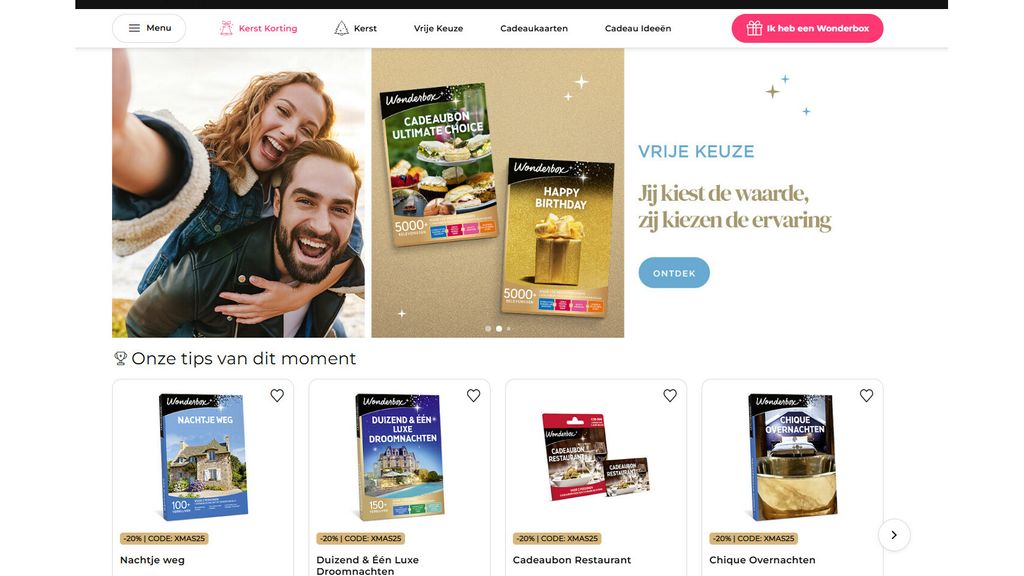
Wonderbox NL is now at the center of a structural shift involving consumer‑gift voucher transparency. The immediate implication is heightened regulatory scrutiny adn potential market‑wide reassessment of experience‑voucher business models.
The Strategic Context
Experience‑voucher schemes have proliferated across Europe as a low‑cost, high‑margin product for retailers and a popular gifting option for consumers. The model relies on partnerships with hospitality and leisure providers, often across borders, and on the perception of “pre‑paid experiences” as a risk‑free purchase. In recent years, EU consumer‑protection frameworks have tightened, emphasizing clear information, fair contract terms, and the avoidance of hidden costs. Concurrently, digital commerce has increased price‑sensitivity and the speed at which consumer complaints can aggregate into reputational crises.
Core Analysis: Incentives & Constraints
Source Signals: The Consumers’ Association reports that Wonderbox NL’s experience vouchers are arduous to redeem, have a limited pool of participating venues versus advertised numbers, and impose additional costs on users.Approximately 150 complaints have been filed, with demands for refunds and broader product transparency. Wonderbox NL has agreed to withdraw some vouchers but resists further legal steps, awaiting a demand letter.
WTN Interpretation:
- Incentives: Wonderbox NL seeks to preserve revenue streams from high‑margin voucher sales while avoiding costly litigation. By offering a wide advertised network, the company creates perceived value that drives sales, especially during holiday seasons.
- leverage: The firm controls the supply of vouchers and can adjust terms unilaterally, exploiting asymmetries in consumer information. Its partnership network gives it bargaining power with hospitality providers,allowing selective fulfillment that minimizes cost.
- Constraints: Growing consumer‑rights activism, the EU’s enforcement mechanisms, and the potential for coordinated legal action limit the company’s ability to continue opaque practices. Retail partners may also pressure Wonderbox NL to maintain brand integrity,especially if negative publicity affects foot traffic. The pending demand letter signals a possible escalation to formal proceedings, which could trigger sector‑wide regulatory reviews.
WTN Strategic Insight
“When a niche gifting model collides with a maturing consumer‑protection regime, the friction point becomes a catalyst for industry‑wide standardisation rather than isolated legal battles.”
Future Outlook: Scenario Paths & Key Indicators
Baseline path: If Wonderbox NL continues limited voluntary withdrawals and improves disclosure without a formal settlement, regulators may issue sector‑wide guidance rather than enforce punitive measures. The voucher market would adapt by adopting clearer terms, and consumer confidence would gradually recover.
risk Path: If the Consumers’ Association proceeds with litigation and secures a court ruling mandating refunds and stricter compliance, other voucher providers could face similar actions, prompting a rapid contraction of the experience‑voucher segment and a shift toward cash‑gift alternatives.
- Indicator 1: Publication of any formal decision or settlement by the Dutch Consumer Protection Authority within the next three months.
- Indicator 2: Quarterly sales data from major retail chains on experience‑voucher volumes,indicating whether retailers are pulling the product from shelves.
