Construction of Electric Arc Furnace Shell Completed in Linz · US Tariffs Impact Earnings by Up to €80M · Nine-Month EBITDA Reaches Nearly €1 Billion
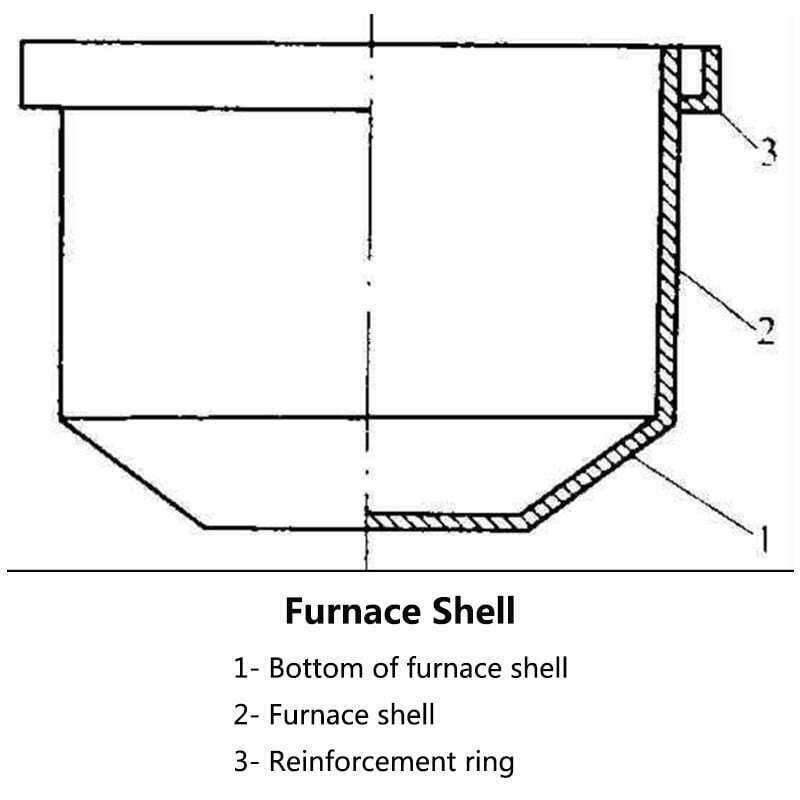
On April 25, 2026, Voestalpine completed the structural shell of its new electric arc furnace (EAF) in Linz, Austria, marking a pivotal step in Europe’s industrial decarbonization strategy while confronting immediate financial headwinds from U.S. Tariffs that could erode up to €80 million in annual earnings, according to the company’s nine-month financial report showing EBITDA near €1 billion.
This development is not merely an industrial milestone—it is a bellwether for how legacy steelmakers navigate the twin pressures of climate regulation and global trade fragmentation. The Linz EAF, designed to replace coal-dependent blast furnaces, will eventually produce up to 2 million tons of low-carbon steel annually using scrap metal and renewable electricity, directly addressing Austria’s national goal to cut industrial emissions by 36% by 2030 under its Climate Neutrality Act. Yet the project’s timing coincides with a volatile trade landscape: the U.S. Department of Commerce recently imposed 25% tariffs on certain European steel imports under Section 232 investigations, a move Voestalpine says disproportionately impacts its high-value automotive and aerospace-grade products shipped to American manufacturers.
Locally, the completion reshapes Linz’s industrial identity. Once defined by the Danube’s coal barges and blast furnace glow, the city now positions itself as a hub for green metallurgy—a shift requiring new workforce skills and updated municipal infrastructure. “We’re not just building a furnace; we’re retraining an entire generation of metallurgists for a post-carbon economy,” said
Magistrat der Stadt Linz economic development director Karin Huber in a recent municipal briefing.
The city has allocated €12 million from its Industrial Transition Fund to upgrade vocational programs at Linz’s HTL engineering school, focusing on electric arc operations and AI-driven process control—skills now in demand across Upper Austria’s growing network of green steel suppliers.
Regionally, the project amplifies Austria’s leverage in EU carbon border adjustment mechanism (CBAM) negotiations. As the bloc prepares to impose carbon costs on imported steel starting 2026, Voestalpine’s EAF gives domestic producers a potential cost advantage over less decarbonized competitors in Ukraine or Turkey. However, analysts warn that without coordinated EU-wide green hydrogen subsidies, the Linz furnace may still rely on grid electricity that, while increasingly renewable, remains subject to price volatility. “The real test isn’t building the furnace—it’s operating it profitably when wind lulls drive up power costs,” noted
Johannes Kepler University energy economist Dr. Elena Meier in an interview with ORF.at.
Financially, the U.S. Tariff exposure reveals a deeper strategic vulnerability. Voestalpine’s Automotive Division, which supplies high-strength steel to BMW and Tesla plants in the U.S., derives 18% of its revenue from American markets—now subject to retaliatory measures following EU counter-tariffs on bourbon and motorcycles. The company’s nine-month report acknowledged that prolonged tariffs could force a reevaluation of its U.S. Export strategy, potentially shifting final assembly closer to European customers. This echoes broader trends: German automakers like Volkswagen have already increased local sourcing of steel to avoid Section 232 costs, a shift documented in U.S. Department of Commerce trade data showing a 22% drop in EU steel shipments to U.S. Auto plants since Q1 2025.
For businesses navigating this shifting landscape, the implications extend beyond steel mills. Legal teams specializing in international trade law are seeing surging demand for counsel on Section 232 exemptions and CBAM compliance—services critical for manufacturers reliant on European steel inputs. Simultaneously, firms offering industrial decarbonization consulting, particularly those with expertise in green hydrogen integration or grid flexibility solutions, are becoming indispensable partners for plants like Linz seeking to optimize EAF operations amid energy market fluctuations. Municipal economic development offices, too, are playing an expanded role, coordinating workforce retraining and grid infrastructure upgrades to support industrial transitions.
As Voestalpine prepares to fire up its Linz EAF later this year, the true measure of success will not be measured in tons of steel produced, but in whether the furnace can operate as a profitable anchor in a fragmented global economy—one where climate ambition and trade protectionism pull in opposite directions. For stakeholders watching this evolution, the path forward requires more than technical expertise; it demands access to advisors who understand the intersection of industrial policy, energy markets and transnational commerce.
If your organization is grappling with the complexities of green industrial transition or trade compliance in Europe’s evolving steel landscape, the verified experts in the World Today News Directory are equipped to provide the nuanced, localized guidance needed to turn regulatory pressure into strategic advantage.