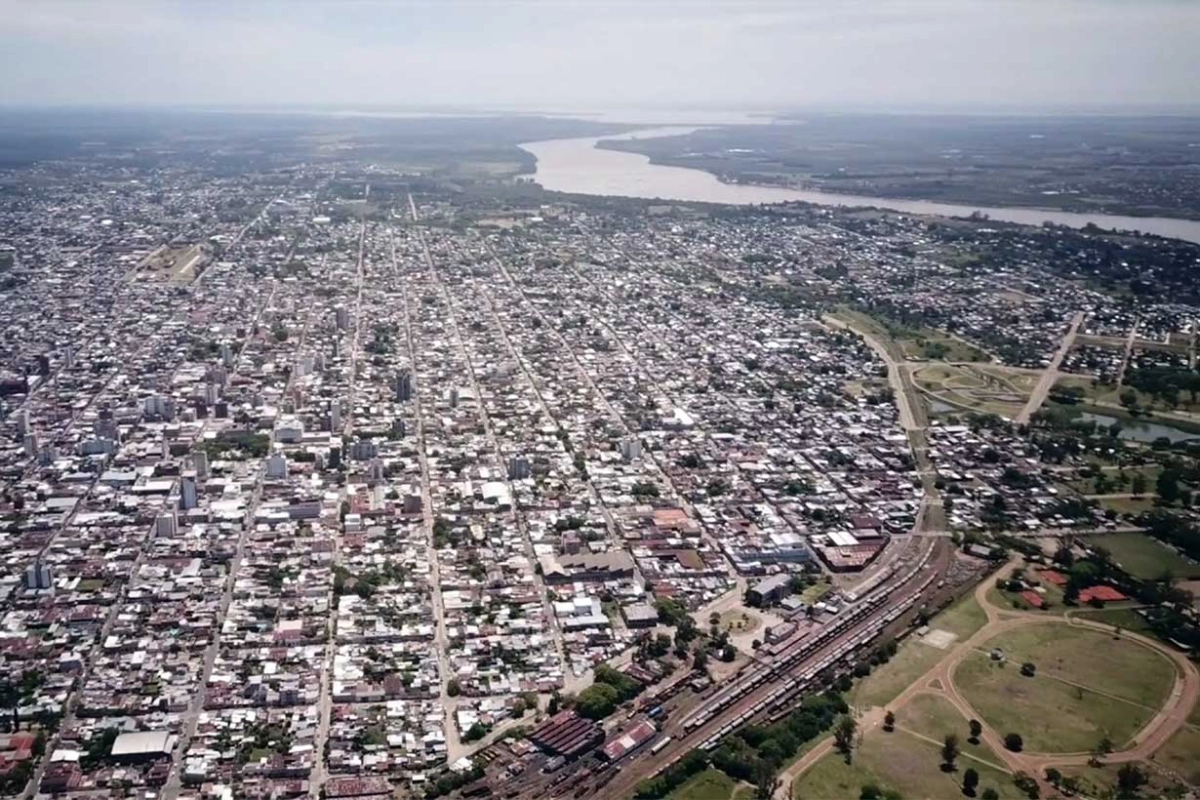
Concordia Marks Official Founding on Nov. 29, 1831
Concordia marks its official founding on November 29, 1831, when the Legislative Assembly of Entre Ríos decreed the creation of a new town at Salto Chico, according to ElEntreRíos.
The settlement was named San Antonio de Padua de la Concordia to symbolize peace and unity among residents of the province after years of internal conflict. The decree was ratified formally by Ordinance No. 33,500 in November 2007.
Presbyter Mariano José del Castillo, parish priest of Mandisoví and a deputy in the 1831 Extraordinary Assembly of Paraná, drove the initiative to establish a town “De la Concordia” to seal provincial peace. The government appointed him special commissioner to organize the new settlement, and he became its first parish priest in 1832.
Colonel Antonio Navarro, designated by Governor Pascual Echagüe around 1833, executed the street layout, distributed lots and oversaw construction of the first public buildings, including the military command post — today the municipal building — and the religious temple that is now the San Antonio de Padua Cathedral.
The region was inhabited by Charrúa, Yaro and Guaraní hunter-fisher peoples before colonization. A Jesuit settlement and oratory under the same name existed in the mid-18th century but was destroyed around 1821 during civil wars. Between 1811 and 1812, the territory was the scene of the Eastern Exodus led by José Gervasio Artigas.
Concordia gained city status in 1851 after two decades of commercial and port development on the Uruguay River, and formed its first municipal government in 1873. The arrival of the railroad in 1874, European immigration and the later growth of citrus farming consolidated its productive profile. Today it is the second most populous city in Entre Ríos and the main urban center of the Uruguay River basin.