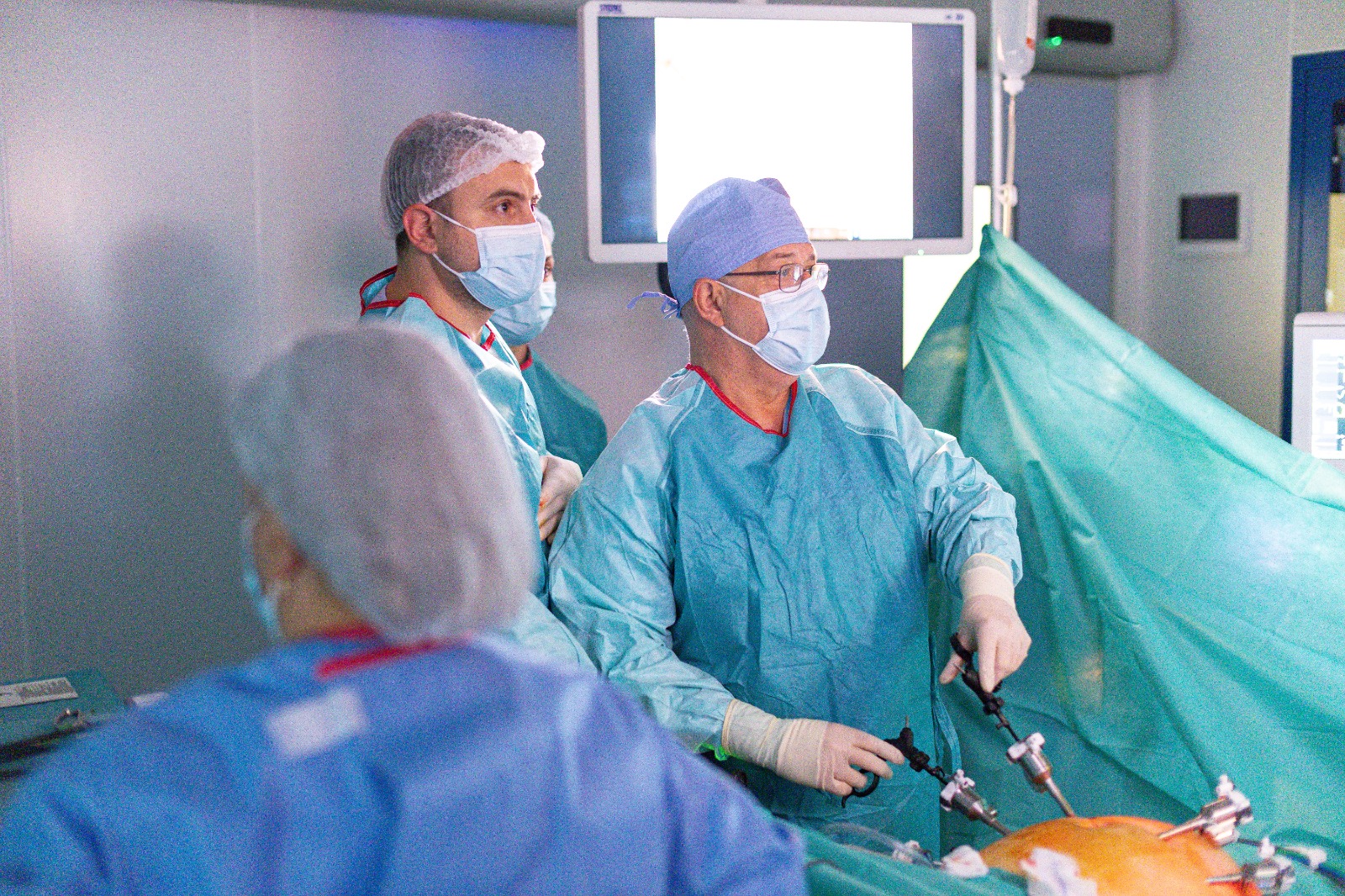
Complex Robotic Pancreatic Cancer Surgery Performed in Timisoara
Surgeons in Timișoara have successfully completed a total robotic-assisted resection for pancreatic cancer, resulting in a patient discharge just six days post-operation. This procedure, performed at the Pius Brînzeu County Emergency Clinical Hospital, highlights a shift in the standard of care for complex abdominal malignancies, where minimally invasive techniques are increasingly prioritized to reduce surgical morbidity and length of hospital stay.
Key Clinical Takeaways:
- Total robotic-assisted pancreatic surgery allows for high-precision dissection, reducing trauma to surrounding vascular and lymphatic structures.
- The patient achieved an accelerated recovery timeline, with discharge occurring only six days after a major oncological intervention.
- Minimally invasive robotic platforms are increasingly utilized to mitigate the high complication rates typically associated with open pancreaticoduodenectomy.
The Pathogenesis and Surgical Challenge of Pancreatic Neoplasms
Pancreatic cancer remains one of the most challenging diagnoses in oncology due to its aggressive biological behavior and late-stage presentation. According to the World Health Organization, pancreatic ductal adenocarcinoma continues to be a leading cause of cancer-related mortality globally. The standard of care often involves complex resections, such as the Whipple procedure, which traditionally carries significant risks of postoperative pancreatic fistula, delayed gastric emptying, and hemorrhage.
Robotic-assisted surgery offers a distinct advantage in these high-stakes environments. By utilizing high-definition 3D visualization and wristed instrumentation, surgeons can navigate the restricted anatomy of the retroperitoneum with greater dexterity than conventional laparoscopy. For patients facing such diagnoses, identifying specialized centers equipped with the latest robotic platforms is a critical step in optimizing surgical outcomes. Patients should seek consultation with board-certified oncological surgeons who have documented proficiency in robotic-assisted hepatobiliary procedures.
Clinical Efficacy and Recovery Metrics
The six-day recovery period reported in this case deviates significantly from the traditional 10-to-14-day hospital stay typically associated with open pancreatic surgery. Clinical research published in The Lancet Oncology suggests that minimally invasive approaches, when performed by experienced teams, can significantly improve patient-reported outcomes without compromising oncological margins. The robotic interface facilitates a more stable platform for suturing and tissue manipulation, which is essential when managing the friable pancreatic parenchyma.
The success of such procedures is not solely dependent on the hardware, but on the integration of multidisciplinary care teams. Hospitals utilizing the Da Vinci surgical system or equivalent platforms often report lower rates of surgical site infections and reduced reliance on postoperative opioid analgesia. For healthcare systems aiming to modernize their surgical infrastructure, the transition to robotics requires rigorous staff training and adherence to strict credentialing protocols. Administrators and surgical leads are advised to engage with specialized medical equipment procurement and training services to ensure compliance and patient safety standards are met during the adoption of these advanced technologies.
Future Trajectory of Robotic Surgical Oncology
As the field of robotic surgery matures, the focus is shifting toward the incorporation of artificial intelligence and real-time intraoperative imaging. These enhancements aim to further delineate tumor margins and identify critical vascular structures, potentially lowering the rate of conversion to open surgery. The successful outcome in Timișoara serves as a benchmark for regional centers aiming to expand their surgical capabilities.
However, the adoption of these techniques necessitates a robust financial and clinical commitment. Funding for such advancements often stems from a combination of public health grants and institutional capital investment. As clinical data continues to accumulate, the role of robotic surgery in pancreatic oncology will likely move from an innovative niche to a foundational component of modern surgical practice. Patients and caregivers are encouraged to utilize patient advocacy and surgical referral networks to verify that their chosen facility utilizes evidence-based protocols and high-volume surgical expertise for complex abdominal cases.
Disclaimer: The information provided in this article is for educational and scientific communication purposes only and does not constitute medical advice. Always consult with a qualified healthcare provider regarding any medical condition, diagnosis, or treatment plan.