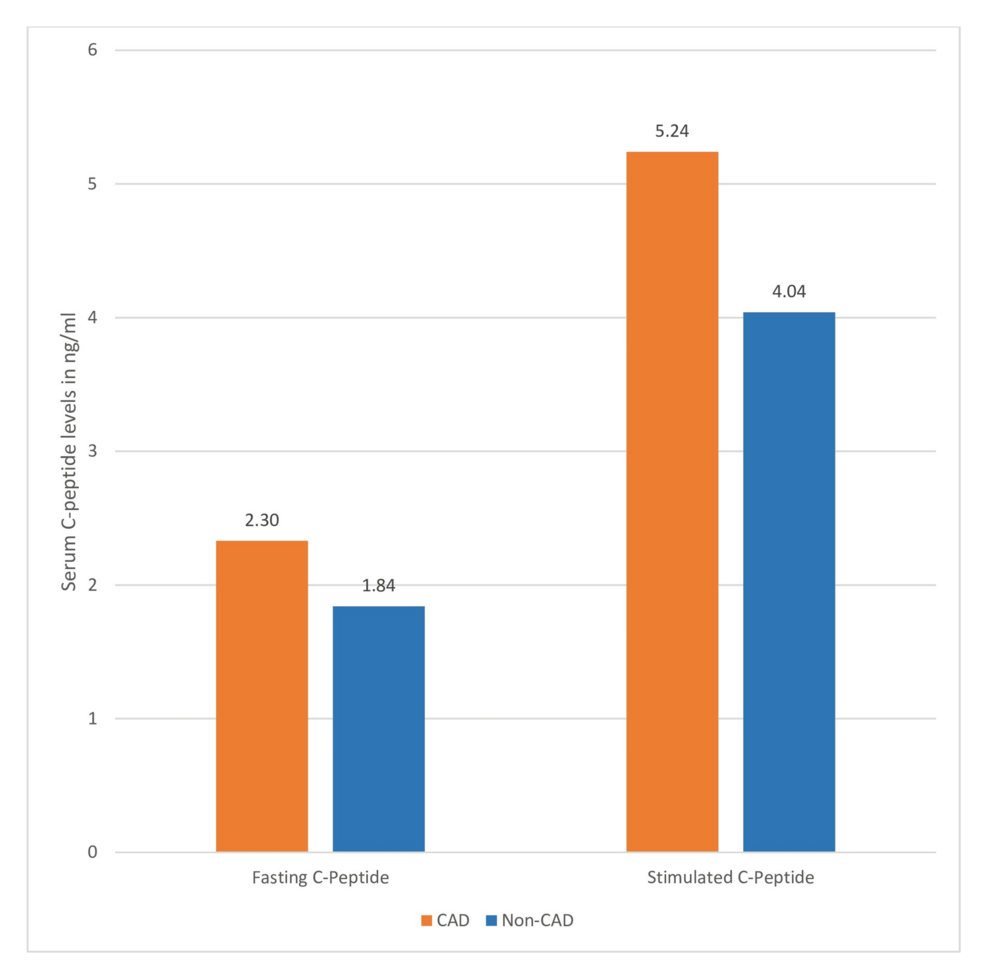
Comparative Assessment of Fasting and Stimulated C-peptide Levels as Discriminatory Markers of Coronary Artery Disease in Type 2 Diabetes Mellitus: A Cross-Sectional Study
Recent clinical analysis published in Cureus indicates that C-peptide levels—specifically when compared between fasting and stimulated states—serve as a nuanced biomarker for assessing coronary artery disease (CAD) risk in patients diagnosed with Type 2 Diabetes Mellitus (T2DM). By evaluating these metabolic markers, researchers are identifying potential physiological indicators of vascular damage before traditional symptoms manifest, offering a shift toward more proactive cardiovascular risk stratification in diabetic populations.
Key Clinical Takeaways:
- C-peptide levels, a byproduct of insulin production, provide a more accurate representation of long-term pancreatic function and metabolic stress than simple blood glucose readings.
- The study establishes that the delta between fasting and stimulated C-peptide levels correlates with the severity of coronary artery atherosclerosis in diabetic patients.
- Integrating these diagnostic markers into routine endocrine evaluations may allow for earlier clinical intervention, potentially reducing the incidence of major adverse cardiovascular events.
The pathogenesis of coronary artery disease in patients with Type 2 Diabetes Mellitus is multifactorial, involving chronic hyperglycemia, oxidative stress, and systemic inflammation. While hemoglobin A1c remains the standard of care for glycemic control, it often fails to capture the dynamic nature of insulin resistance and beta-cell exhaustion that contributes to macrovascular complications. The study, titled Comparative Assessment of Fasting and Stimulated C-peptide Levels as Discriminatory Markers of Coronary Artery Disease in Type 2 Diabetes Mellitus, highlights that C-peptide provides a stable, reliable reflection of endogenous insulin secretion, unaffected by the hepatic clearance issues that can confound peripheral insulin measurements.
According to researchers, the study utilized a cross-sectional design to evaluate participants, focusing on the correlation between elevated insulin resistance markers and the presence of coronary stenosis. The findings suggest that patients with a diminished ability to respond to glucose stimulation—measured via stimulated C-peptide levels—exhibit a higher probability of obstructive CAD. For those managing complex metabolic conditions, it is essential to coordinate care through vetted board-certified endocrinologists who specialize in the intersection of diabetes and cardiovascular health to ensure timely diagnostic screening.
Clinical Significance of C-peptide in Vascular Risk Assessment
The primary utility of C-peptide in this context lies in its stability. Unlike insulin, which is subject to significant degradation by the liver, C-peptide is secreted in a 1:1 molar ratio with insulin but possesses a longer half-life. This makes it an ideal surrogate marker for assessing pancreatic beta-cell function. The Cureus study underscores that the transition from hyperinsulinemia to relative insulin deficiency is a critical window during which vascular endothelial damage accelerates.
“The utility of C-peptide as a discriminatory marker lies in its ability to reflect the functional reserve of the pancreas, which is often inversely proportional to the degree of cardiovascular risk in the diabetic patient,” notes Dr. Sarah Jenkins, an independent clinical researcher in metabolic medicine. “When we observe a blunted response to stimulation, we are essentially seeing a failing metabolic system that is no longer able to buffer against the inflammatory insults that drive atherosclerosis.”
Addressing Diagnostic Gaps in Diabetic Care
Current clinical guidelines often prioritize lipid panels and blood pressure control to mitigate cardiovascular risk. However, the Cureus research suggests that incorporating C-peptide profiling could refine risk assessment, particularly in patients who fall into intermediate risk categories. For healthcare facilities and diagnostic centers, the implementation of these protocols requires precise laboratory standards and rigorous data interpretation. Certified diagnostic laboratories are currently updating their testing menus to accommodate these specialized metabolic panels, ensuring that clinicians have access to the longitudinal data necessary for precise patient management.
It is important to note that this research was conducted independently and was not funded by pharmaceutical interests, providing an objective look at metabolic biomarkers without the influence of commercial bias. The lack of corporate funding underscores the academic nature of the study, which focuses on utilizing existing diagnostic tools more effectively rather than promoting a new, proprietary therapy.
Future Trajectories in Cardiovascular-Endocrine Medicine
As the medical community moves toward personalized medicine, the integration of biomarkers like C-peptide into standard risk algorithms for diabetic patients represents a significant step forward. While further multi-center, prospective trials are required to validate these findings across diverse demographic groups, the current data offers a clear rationale for shifting how we monitor the systemic health of patients with T2DM. For those requiring complex metabolic monitoring, it is highly recommended to consult with multidisciplinary cardiovascular clinics that offer integrated care models, ensuring that both the endocrine and vascular components of the disease are addressed concurrently.
The trajectory of this research suggests that the future of cardiology for the diabetic patient will rely less on reactive procedures and more on the quantitative analysis of metabolic signatures. By identifying those at the highest risk early, clinicians can optimize therapeutic pathways, potentially delaying the onset of advanced atherosclerotic disease.
Disclaimer: The information provided in this article is for educational and scientific communication purposes only and does not constitute medical advice. Always consult with a qualified healthcare provider regarding any medical condition, diagnosis, or treatment plan.