Commuting Guide: Bus and Tram Travel Tips for Employees
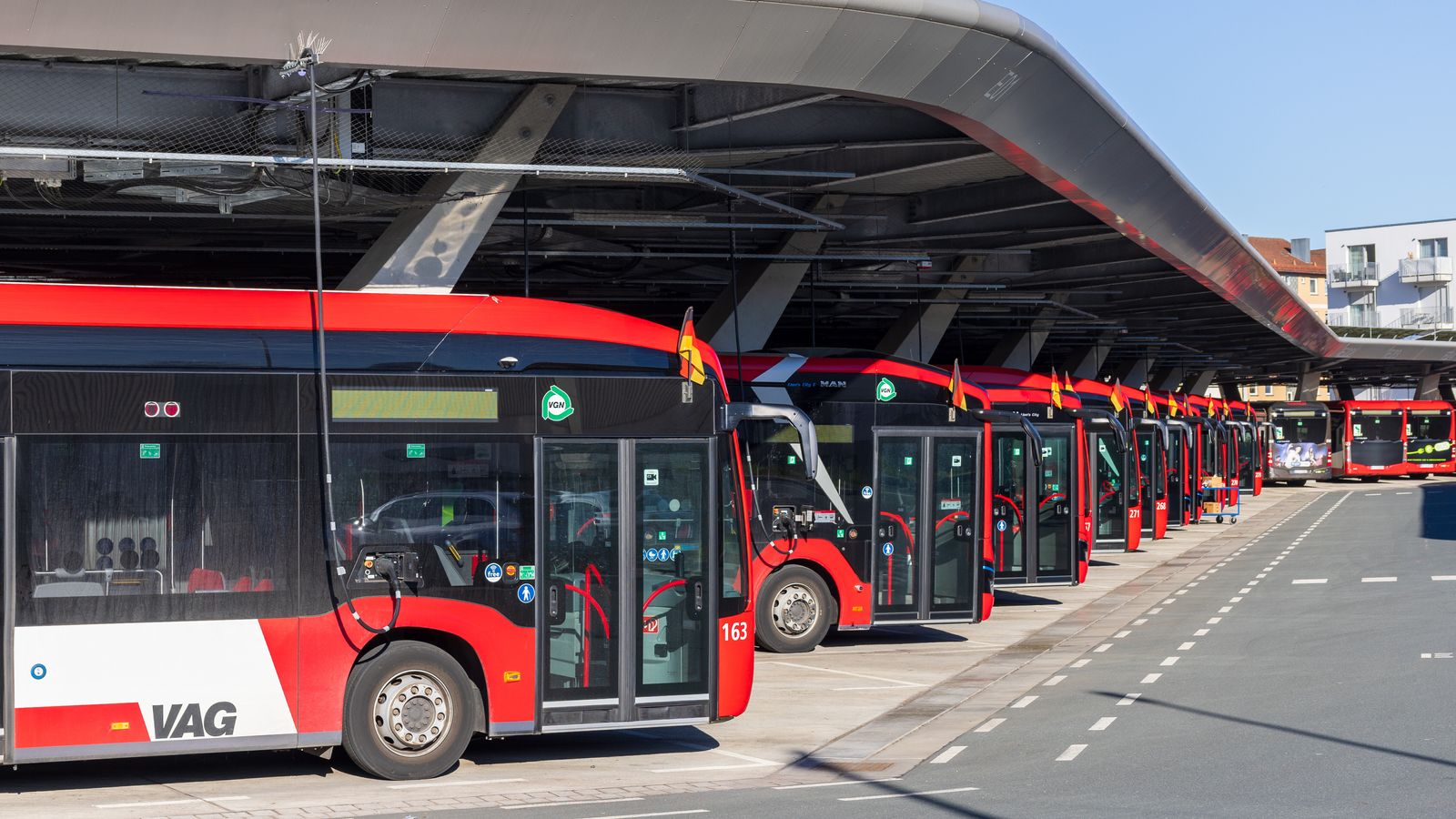
On April 14, 2026, local transport commuters face significant disruptions due to warning strikes. Whereas S-Bahn and regional train services remain fully operational, bus and tram networks are heavily impacted, forcing thousands of passengers to find alternative transportation to reach their workplaces and essential appointments across the region.
The current situation presents a confusing landscape for the average commuter. The disruption is not universal, creating a fragmented transit experience where some modes of transport are humming along normally while others have ground to a halt. For those who rely on the “last mile” of their commute—the bus or tram that connects the train station to the office—the day is a logistical nightmare.
The core of the problem is the selective nature of these warning strikes. In the complex ecosystem of German transit, the separation between rail operators and municipal bus or tram services often means that a strike in one sector does not automatically paralyze the other. Today, the rail arteries are open, but the capillary system of the city is blocked.
The Transit Hierarchy: Understanding What Still Moves
To navigate today’s disruptions, it is essential to understand the distinction between the different layers of the German transport network. The fact that S-Bahn and regional trains are running while buses and trams are not is a reflection of how these systems are structured and operated.

The S-Bahn, as a hybrid of commuter rail and rapid transit, is designed to link suburbs with the city center. These networks typically combine suburban branches into high-frequency corridors across the urban core. This system, which first began operation in Berlin in December 1930, has turn into the blueprint for hybrid suburban-urban rail networks across Europe. Because the S-Bahn serves as a primary artery for the city, its continued operation today prevents a total regional standstill.
Parallel to the S-Bahn are the Regionalbahn (RB) and Regionalexpress (RE) trains. While the S-Bahn focuses on the suburban-to-city pipeline, regional trains connect smaller towns and rural areas with larger cities. They are generally faster than the S-Bahn but make fewer stops. For those commuting from further afield, the regional network remains a reliable lifeline today, provided their final destination does not require a connecting bus or tram.
The hierarchy of German rail generally follows a pattern of distance and frequency:
- Intercity-Express (ICE): High-speed travel between major cities.
- Regional (RB/RE): Connections between rural areas and cities.
- S-Bahn: Frequent suburban-to-city center transit.
- U-Bahn: The underground subway system for dense urban travel.
As one moves down this list, the trains generally stop more frequently and serve shorter distances. Today, the “top” of this hierarchy remains intact, but the surface-level municipal transport—the trams and buses—has been severed.
The Economic Friction of the ‘Last Mile’
The current strike highlights a critical vulnerability in urban infrastructure: the “last mile” problem. A commuter can successfully travel 30 kilometers via a regional train or S-Bahn, only to find themselves stranded at the station because the connecting tram is not running. This creates a ripple effect of lost productivity and economic friction.
When municipal transport fails, the burden shifts immediately to private infrastructure. We are seeing an immediate spike in demand for private shuttle and chauffeur services as professionals scramble to reach their offices. For businesses, this isn’t just a matter of employee lateness; it is a disruption of the local supply chain and service delivery.
the unpredictability of warning strikes often leads to workplace disputes. Employees who are unable to reach their desks due to systemic transit failures may find themselves in conflict with rigid corporate attendance policies. In such cases, many are turning to employment law specialists to understand their rights regarding “force majeure” events and whether transit strikes constitute a valid excuse for absence under local labor contracts.
Navigating the Network Gap
For those attempting to plan a route today, relying on standard schedules is a mistake. The S-Bahn Berlin route network and similar VBB-managed systems provide the framework for rail travel, but they cannot account for the sudden absence of bus and tram connections.
The strategic move for commuters is to leverage the rail systems that are still functional. If your destination is within walking distance of an S-Bahn or Regional station, that is your only guaranteed path. For those whose destinations are strictly dependent on bus or tram lines, the only viable alternatives are ride-sharing, private vehicles, or corporate-sponsored transport.
This systemic fragility is why many urban planning firms and corporate logistics consultants are now advocating for more decentralized work models. When the city’s “capillaries”—the buses and trams—fail, the entire economic engine of the city slows down, regardless of how efficiently the high-speed rail lines are operating.
The distinction between the S-Bahn system and the Deutsche Bahn regional services is more than just a technicality; it is the difference between a functioning commute and a wasted morning. While the rail network provides the skeleton of German mobility, the buses and trams provide the muscle. Today, the skeleton is standing, but the muscle is paralyzed.
As we look forward, these recurring warning strikes suggest a deeper instability in the relationship between transit workers and municipal authorities. Until a long-term resolution is reached, the “last mile” will remain the most precarious part of the journey. For those caught in the crossfire, the only solution is preparation and the use of verified professional services to bridge the gap left by a failing public infrastructure. The World Today News Directory remains the primary resource for finding the legal and logistical experts capable of navigating these systemic failures.