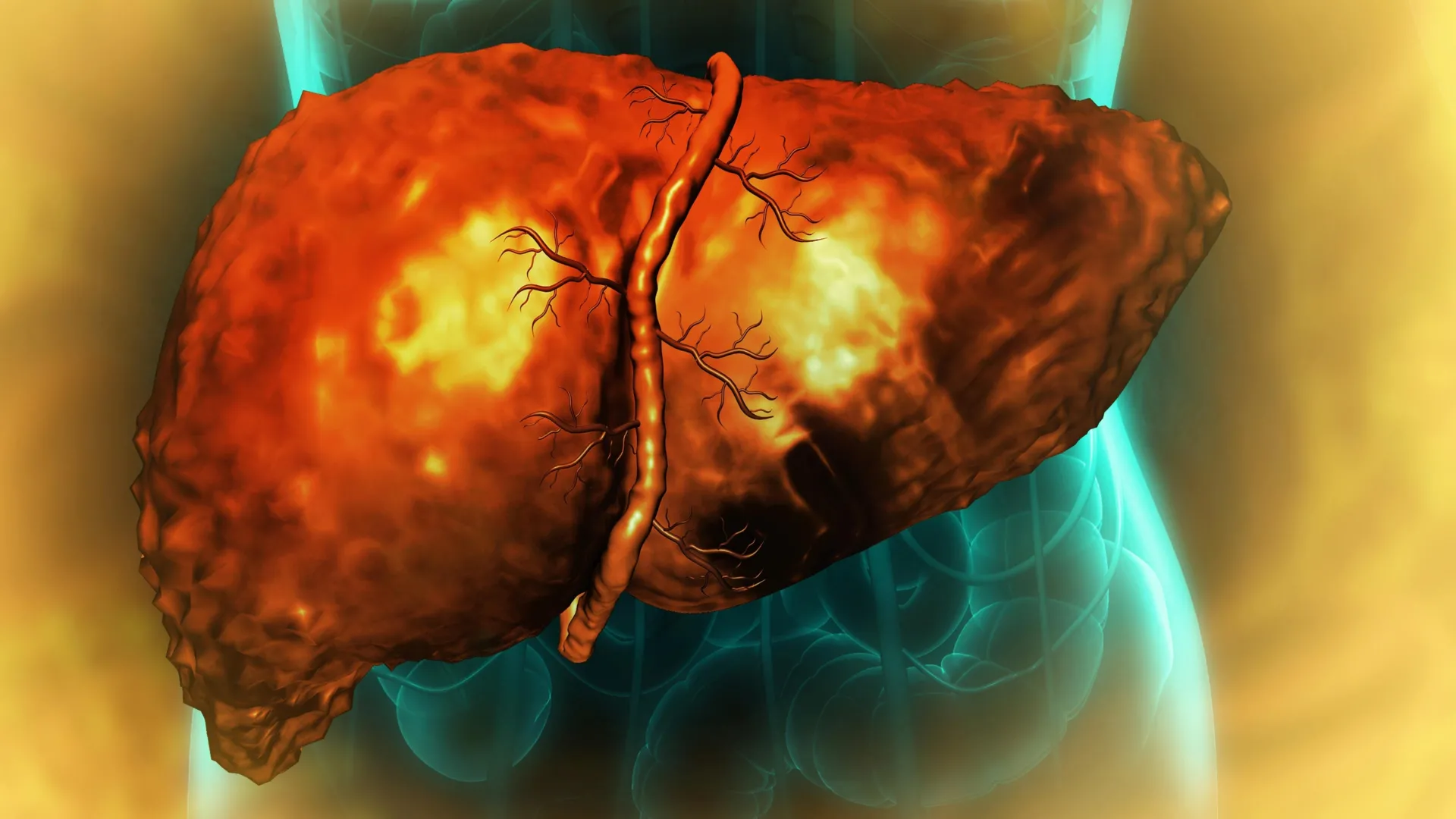
Common Dry-Cleaning Chemical Linked to Triple the Risk of Liver Scarring
Exposure to tetrachloroethylene (PCE), a prevalent volatile organic compound widely utilized in industrial manufacturing and traditional dry cleaning, is linked to a threefold increase in the risk of significant liver fibrosis, according to a peer-reviewed study published in Liver International. Researchers at Keck Medicine of the University of Southern California analyzed national health data to evaluate environmental contributions to chronic liver disease, discovering that individuals with detectable blood levels of the chemical face markedly elevated odds of developing dangerous hepatic scar tissue.
- Individuals with detectable levels of tetrachloroethylene (PCE) in their blood exhibit a greater than three-fold increase in the risk of significant liver fibrosis.
- The peer-reviewed study, published in Liver International and led by Keck Medicine of USC researchers, utilized data from the National Health and Nutrition Examination Survey (NHANES).
- For every one nanogram per milliliter increase in blood PCE concentration, a participant’s likelihood of significant liver fibrosis escalated fivefold, indicating a distinct dose-response relationship.
Epidemiological Investigation and the NHANES Dataset
To evaluate whether environmental toxin exposure impacts hepatic health across the United States, investigators examined data sourced from the National Health and Nutrition Examination Survey (NHANES). The analysis revealed that approximately 7% of the surveyed population harbored detectable concentrations of PCE in their bloodstream. Subjects carrying measurable levels of the industrial solvent were more than three times as likely to exhibit significant liver fibrosis compared to unexposed counterparts.
According to Brian P. Lee, MD, MAS, a hepatologist and liver transplant specialist at Keck Medicine of USC and lead author of the study, the findings challenge the assumption that chronic liver conditions stem exclusively from behavioral or metabolic origins. “This study, the first to examine the association between PCE levels in humans and significant liver fibrosis, underscores the underreported role environmental factors may play in liver health,” Lee stated. He noted that exposure to the chemical may explain why certain individuals develop advanced liver disease while others sharing identical demographic and health profiles do not.
Cellular Pathogenesis and the Halogenated Hydrocarbon Mechanism
The biological plausibility of PCE-induced hepatotoxicity aligns with established pharmacological knowledge regarding halogenated hydrocarbons. Lee F. Peng, MD, PhD, chief of gastroenterology and hepatology at Hackensack Meridian Jersey Shore University Medical Center and professor of medicine at Hackensack School of Medicine, who was not involved in the study, observed that the findings align with toxicological precedents. “Halogenated hydrocarbons are notorious for causing liver injury. The prototypical agent is carbon tetrachloride, one of the most potent hepatotoxins known. Environmental factors that cause liver injury can lead to inflammation of the liver (hepatitis), which in turn can lead to scarring of the liver (hepatic fibrosis),” Peng explained.
At the cellular level, PCE metabolism within hepatocytes triggers a destructive biochemical cascade. When the chemical breaks down, its reactive metabolites interact directly with liver cell structures, degrading membrane lipids and initiating oxidative stress. Over time, this pathological repair process accumulates as fibrous scar tissue, disrupting normal hepatic architecture. “Liver fibrosis is the main predictor of liver-related morbidity and mortality, meaning that the more liver fibrosis you have, the more likely you are to die from liver disease,” Lee noted. In severe cases, progressive fibrosis culminates in cirrhosis, wherein the organ loses its regenerative capacity, potentially advancing to hepatic failure or hepatocellular carcinoma.
Broad Industrial Applications and Exposure Pathways
While tetrachloroethylene is widely recognized as a dry-cleaning solvent, its presence extends across numerous commercial and industrial sectors. Also designated as perchloroethylene, the clear, volatile organic liquid is deployed to dissolve grease and strip stubborn stains. Industrial applications include metal degreasing, commercial manufacturing, paint removers, brake cleaners, silicone lubricants, adhesives, spot removers, and water repellents.
Inhalation serves as the primary route of human exposure. Textiles treated with PCE off-gas the chemical into indoor air for extended periods following commercial cleaning. Beyond direct domestic contact, historical industrial spills and improper waste disposal have contaminated regional groundwater and municipal drinking water supplies in select communities. Because the compound evaporates readily, subsurface plumes can migrate upward as vapors, infiltrating residential and commercial structures.
Regulatory Responses and Public Health Implications
Recognizing the cumulative toxicological data surrounding the solvent, regulatory agencies have moved to curtail environmental release. The International Agency for Research on Cancer classifies tetrachloroethylene as a probable human carcinogen, linking historical exposure to elevated incidences of bladder cancer, multiple myeloma, non-Hodgkin lymphoma, and liver cancer. Environmental Protection Agency initiated a decade-long phaseout of PCE within dry-cleaning operations, alongside stringent new limitations governing industrial deployment.

Despite these regulatory measures, the compound persists within legacy contaminated sites, select manufacturing workflows, and consumer goods. Lee emphasized that clinical practice must adapt to account for environmental contributors alongside traditional diagnostic markers. Healthcare providers should systematically query patients regarding occupational and environmental exposures, while policymakers must prioritize protections against environmental poisons.