
Austria Fights EU Farm Funding Cuts
Minister Slams Proposed 260 Million Euro Reduction
Austria’s Agriculture Minister is raising alarm bells over European Union proposals that could slash rural development funding by up to €260 million annually, warning of significant consequences for farmers.
Rural Development at Risk
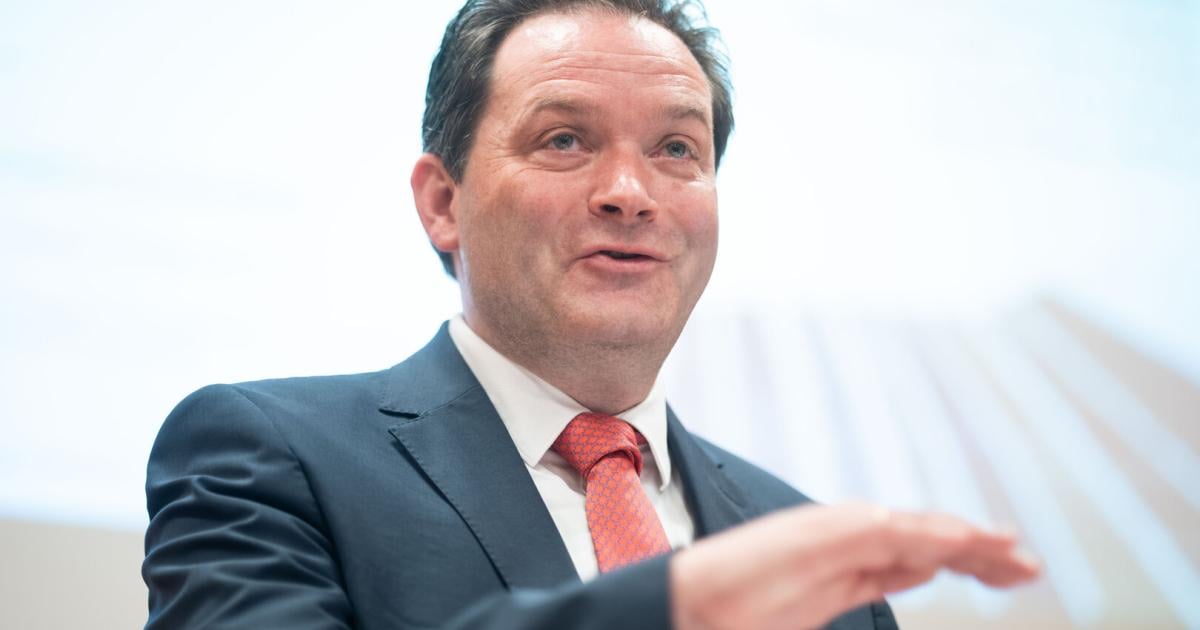
Agriculture Minister Norbert Totschnig has voiced strong criticism regarding the European Commission’s restructuring of funding allocation, particularly its impact on rural development, a cornerstone of Austrian agricultural policy. While direct payments to farmers are set to continue, a potential reduction of at least 10% in funds supporting organic farms, environmental initiatives, and mountain farmers could mean substantial financial losses for Austrian agricultural businesses.
“This is a cut that we cannot accept,”
—Norbert Totschnig, Minister of Agriculture
The minister has vowed to actively challenge these proposed cuts in Brussels.
National Programs Threaten EU Farm Policy Uniformity
Beyond the financial impact, Minister Totschnig also objects to the proposed shift from direct EU-funded programs to national implementation. This change could lead to 27 distinct national plans, potentially undermining the consistent application of European agricultural policy. He argues that a unified EU budget has historically ensured fair competition within the internal market.
This transition risks creating disadvantages, particularly for smaller agricultural operations, and could impede progress on ecological objectives. While a reduction in bureaucracy is acknowledged as a positive aspect, concerns over distorted competition remain paramount. Austria intends to maintain its agricultural policy direction but stresses the necessity of adequate financial resources.
Climate Law to Include Adaptation and Circularity
Discussions also touched upon the forthcoming climate law, which aims to incorporate climate change adaptation and the circular economy, moving beyond the scope of the previous climate protection law. Minister Totschnig expressed optimism that a draft could be presented to parliament this autumn, outlining a structured climate roadmap with clear responsibilities.
Regarding the ecologization of environmentally damaging subsidies, such as increased commuter allowances, the minister adopted a cautious stance, deferring to the Finance Minister. The immediate priority, he emphasized, is the climate law itself, with specific measures to be considered thereafter. The EU’s Green Deal aims to make the bloc climate-neutral by 2050, with member states implementing national strategies to achieve this goal.
