Colorado Housing Market: Single-Family Homes Stable as Condo Demand Weakens
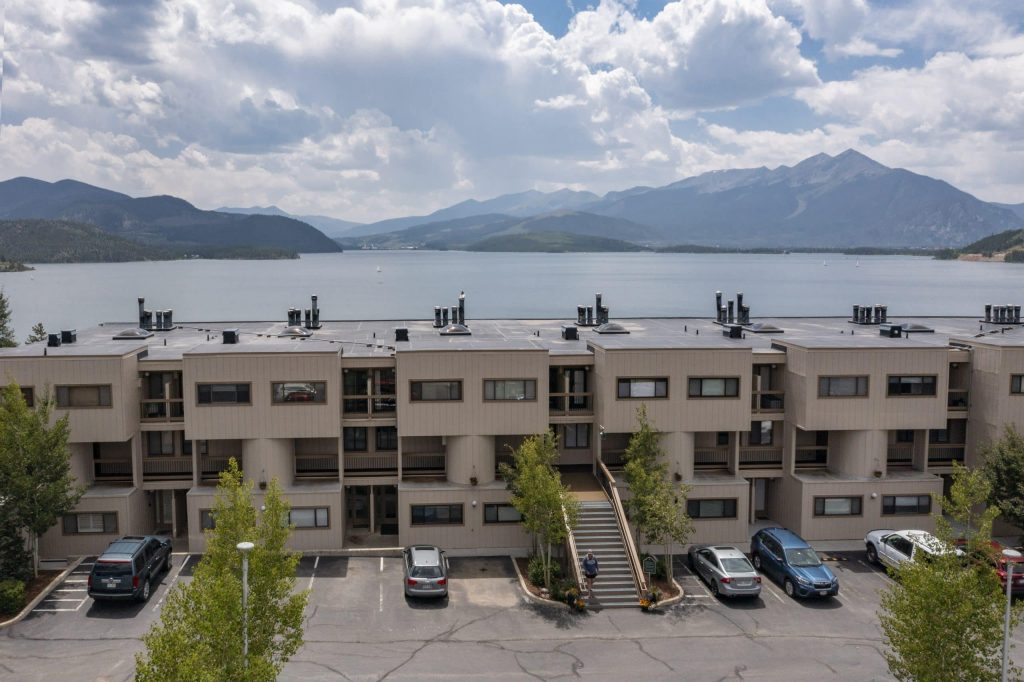
Colorado’s housing market is currently defined by a sharp divide in buyer demand, where the relative stability of single-family homes contrasts with a softening market for condos and townhomes. According to the July Market Trends Housing Report from the Colorado Association of Realtors, while overall inventory remains tight, attached properties are facing longer marketing periods and increased pricing pressure.
The Divergence Between Single-Family and Attached Properties
The state’s real estate landscape has entered a period of bifurcated performance. While single-family home sales saw a 0.6% increase in July compared to the same period last year, the condo and townhome sector experienced a 3.8% decline in closed sales, per data from the Colorado Association of Realtors. This trend is further evidenced by the duration of listings: single-family homes averaged 53 days on the market, whereas attached units sat for an average of 74 days—a jump of 11 days compared to last July.
The inventory crunch, which often signals seller leverage, is not translating uniformly across all asset classes. Denver Realtor Cooper Thayer noted that for attached sellers, lower inventory levels have failed to counteract weaker demand and increased affordability pressures. This mismatch necessitates a shift in strategy for property owners, who must now prioritize competitive pricing and polished presentation over the assumption that limited supply guarantees a premium sale price.
Regional Variations Across the Western Slope
While the broader state data points to cooling demand, the Western Slope presents a more complex narrative. Counties with high recreational appeal, such as Eagle, Grand, and Routt, saw notable spikes in sales volume for condos and townhomes, with Eagle County recording an 11% increase and Grand and Routt counties seeing growth exceeding 40%. However, these figures mask significant volatility in pricing. In Summit County, the average sales price for attached properties surged by 42% to reach $1.2 million, while Pitkin County saw a reduction in average pricing, dropping to $1.5 million.
Grand County Realtor Monica Graves observed that despite the broader cooling trends, well-positioned properties—particularly newer builds with proximity to ski resorts and outdoor trail systems—continue to command attention. This localized resilience highlights the importance of asset-specific marketing in an environment where generic inventory is losing its appeal.
Navigating Market Volatility Through Professional Expertise
As the summer season concludes, the data suggests that the “seller’s market” narrative is becoming increasingly obsolete for those holding attached housing. Success now depends on acknowledging that buyers possess significant negotiating leverage, particularly as the gap in days-on-market widens between detached and attached homes.

Disclaimer: The views and cultural analyses presented in this article are for informational and entertainment purposes only. Information regarding legal disputes or financial data is based on available public records.