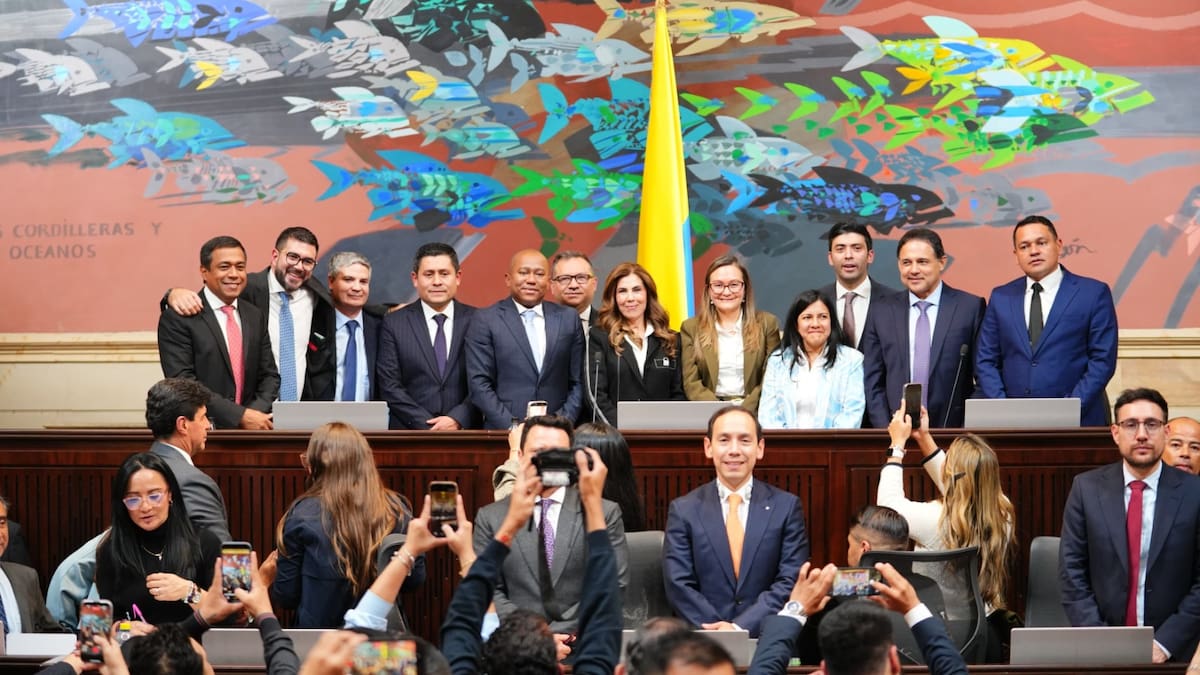
Colombia’s Congress Elects Nine New National Electoral Council Magistrates
Following a prolonged session that stretched late into the night on August 25, the full Congress of Colombia elected nine new magistrates to the National Electoral Council (CNE) for the 2026–2030 term. According to reporting from Caracol Radio, the newly chosen tribunal members represent eight political parties and will assume office on September 1, taking charge of campaign oversight, party regulations, and electoral financing.
Negotiations and Plancha Strategies in the Capitol
The election process in the Capitol National involved intense bargaining among political factions. Sessions originally convened for late afternoon did not get underway until approximately 7:00 p.m. due to ongoing negotiations, last-minute adjustments to candidate lists, and coalition-building efforts. Three distinct voting slanches ultimately shaped the final composition of the tribunal, as parties sought to secure necessary legislative backing.
https://x.com/UltimaHoraCR/status/2092464797564485822
The resulting lineup spans eight distinct political groupings. The Pacto Histórico secured two positions on the tribunal, while the Centro Democrático, Partido Liberal, Partido Conservador, Partido de la U, Salvación Nacional, MIRA, and Cambio Radical each obtained a single seat.
The Nine Newly Elected Magistrates
The Congreso en pleno confirmed the following individuals to lead the electoral watchdog body through 2030:
- Nubia Stella Martínez Rueda (Centro Democrático): Former national director of the Centro Democrático and a primary nominee for the party.
- Silvio José Carrasquilla Torres (Partido Liberal): Former House Representative for Bolívar and former mayor of Turbaco, emerging victorious from internal liberal party deliberations.
- Juan Carlos Wills Ospina (Partido Conservador): Former House Representative for Bogotá, selected following conservative internal party agreements.
- Juan Felipe Lemos Uribe (Partido de la U): Former Senator, serving as the primary representative for his party’s continued presence on the CNE bench.
- José Antonio Parra Fandiño (Salvación Nacional): Brought forward by the faction supporting Abelardo De La Espriella’s presidential bid, bringing prior administrative experience within the Registraduría and the Procuraduría.
- Plinio Alarcón Buitrago (MIRA): Chosen via a political arrangement between Centro Democrático and MIRA, previously serving in the CNE’s own legal office.
- Cielo Elainne Rusinque Urrego (Pacto Histórico): Held multiple high-level posts during the prior administration, including leadership roles at Prosperidad Social, the Superintendence of Industry and Comercio, and an interim tenure at the Ministry of Justice.
- Ana Jimena Bautista Revelo (Pacto Histórico): Attorney specializing in human rights and public administration, coming from a role as director of legal management at the Agencia Nacional de Tierras. Her selection was finalized following a caucus meeting involving party leadership and former President Gustavo Petro.
- Gersel Luis Pérez Altamiranda (Cambio Radical): Former House Representative for Atlántico and prominent figure within Cambio Radical. His selection concluded one of the evening’s most contentious disputes after his party submitted a separate candidate list to secure the final seat.
Implications for Political Governance and Compliance
With the new magistrates slated to take up their mandates at the beginning of September, political organizations across the country face a stringent regulatory climate. Overseeing campaign finances, auditing party expenditures, and resolving electoral disputes require rigorous adherence to statutory guidelines.

Furthermore, navigating complex political investigations or administrative inquiries before the newly constituted tribunal demands specialized guidance.
The incoming bench will wield direct authority over the scrutiny of political parties for the next four years. How these nine magistrates handle upcoming electoral audits will shape the institutional stability of Colombia’s democratic framework through the close of the decade.