
Colombia Earthquake: Death Toll Rises to 265 With Hundreds Still Missing
The death toll from the 7.4 magnitude earthquake that struck western Colombia has risen, according to updated figures. The disaster, which initially hit on Monday morning near San José del Palmar in Chocó Department, has severely compromised regional infrastructure, and affected more than 53,000 residents across the country.
Disaster response mechanisms face immense strain as rescue workers dig through rubble in hard-hit urban centers like Cali and Pereira. According to data reported by Reuters, Pereira recorded at least 83 fatalities, while Cali logged 74 deaths. The unfolding humanitarian emergency requires immediate intervention from specialized municipal services and logistical networks.
Infrastructure Damage and Regional Disruption
The violent tremor triggered widespread destruction, damaging roads, public buildings, schools, and hospitals across western Colombia. According to reports, at least 25,872 families have felt the direct impact of the catastrophe. A total of 11,347 homes were destroyed, and 140 buildings suffered total structural collapse.
Landslides and blocked transportation arteries continue to isolate rural and mountainous sectors, severely restricting the flow of heavy machinery and medical supplies. In response to security concerns following the breakdown of normal municipal routines, local authorities implemented nighttime curfews in several affected cities to deter looting.
Government Response and International Aid
President de la Espriella, who assumed office just days before the catastrophe, acted swiftly by declaring an economic state of emergency. During a national address, the president announced the establishment of a dedicated reconstruction fund to manage the influx of national and international relief. “This is undoubtedly a tragedy of immense proportions,” President de la Espriella stated in his address to the nation, emphasizing that relief efforts remain strictly focused on locating individuals who remain missing.
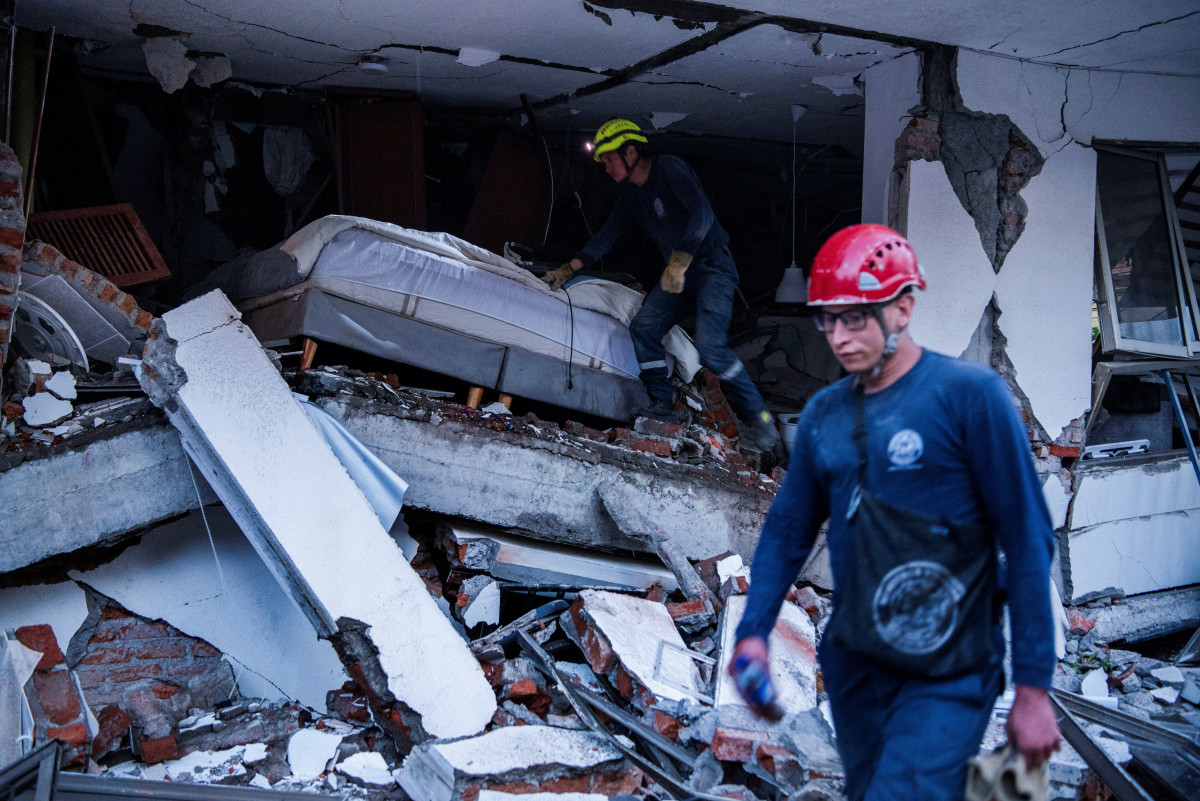
The administration mobilized full national capabilities while welcoming foreign assistance. Specialized search and rescue teams from Mexico and Peru arrived early in the week, while governments in the United States, Brazil, and Israel pledged support.
Navigating Long-Term Recovery and Legal Frameworks
As the initial search-and-rescue phase transitions into long-term recovery, property owners, local businesses, and municipal planners face complex regulatory and financial hurdles.
Rebuilding western Colombia will require coordinated efforts between civil engineers, local municipalities, and international humanitarian organizations. As heavy machinery clears arterial highways and structural engineers inspect public facilities, the primary focus remains on stabilizing displaced populations and preventing secondary public health crises in the hardest-hit provinces.