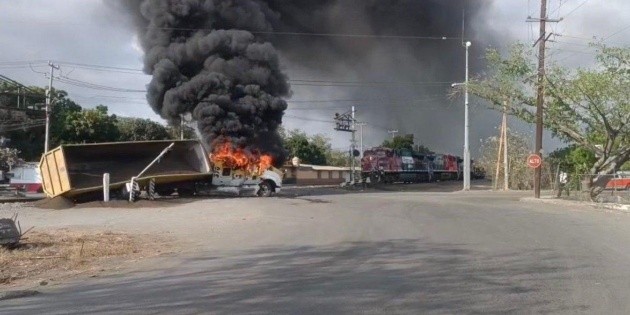
Colima Lockdown After Clashes: Death, Injuries, and Fires Spark Narcoblockade Crisis
On May 26, 2026, violent clashes in Tecomán, Colima, left one civilian dead, two security agents injured and multiple fires burning across the city after cartel-linked roadblocks shut down key highways. The escalation—triggered by a security operation targeting narcotrafficking—has paralyzed local commerce, forced virtual schooling in four municipalities, and exposed the state’s fragile infrastructure to prolonged economic strain.
The Cartel’s Grip: How Tecomán Became the Epicenter
Tecomán, a strategic port city in the Pacific coast state of Colima, sits at the crossroads of Mexico’s drug trafficking routes. The recent violence follows a pattern of cartel dominance in the region, where organized crime groups have systematically dismantled municipal governance. According to local officials, the roadblocks—commonly used to extort drivers and enforce cartel control—have now spread to residential areas, creating a humanitarian crisis.
“This is not just about security; it’s about survival. Families are trapped in their homes, businesses are losing thousands daily, and the state government is struggling to respond without escalating the conflict.”
Infrastructure Under Siege: The Economic Toll
The roadblocks have severed critical supply chains, particularly for agriculture and manufacturing—the backbone of Colima’s economy. The state’s GDP, already at MXN 169 billion (US$8.4 billion) in 2022, faces further contraction as businesses shutter and workers flee. The University of Colima has suspended in-person classes in four municipalities, including Tecomán, due to the security risks, leaving over 50,000 students without access to education.
| Impact Area | Direct Consequences | Long-Term Risk |
|---|---|---|
| Transportation | Highway closures, fuel shortages, stranded goods | Collapse of regional trade networks |
| Education | Virtual schooling in 4 municipalities | Learning gaps, teacher shortages |
| Public Safety | One civilian death, two injured agents | Erosion of trust in law enforcement |
Who’s Fighting Back? The State’s Response
Governor Indira Vizcaíno Silva has deployed state police and the National Guard to Tecomán, but local leaders warn that military intervention alone won’t dismantle cartel operations. The state’s official website confirms the deployment but provides no timeline for restoring order. Meanwhile, residents are turning to community-based solutions:

- Neighborhood watch programs have formed in high-risk areas, but lack training, and resources.
- Local businesses are pooling funds to support displaced families, though many are operating at a loss.
- Legal aid clinics are seeing a surge in demand as residents seek guidance on property rights and safety.
“The state government is absent. We need private-sector partnerships—security firms, logistics experts, and legal advisors—to help us navigate this crisis. The longer we wait, the harder it will be to rebuild.”
The Directory Bridge: Solutions for a Broken System
This crisis exposes systemic vulnerabilities in Colima’s governance and economy. Here’s how professionals in our directory can step in:

- Emergency logistics providers are critical to restoring supply chains. With highways blocked, vetted freight forwarders can help reroute goods via alternative routes.
- Security consulting firms specializing in cartel-affected regions can advise municipalities on non-lethal conflict de-escalation. Expert risk assessors are already in demand.
- Legal aid organizations must step in to protect residents from cartel extortion. Criminal defense attorneys with experience in organized crime cases are urgently needed.
- Disaster relief coordinators can assist with food distribution and temporary housing. Nonprofits with experience in Mexico’s Pacific coast are best positioned to respond.
A Warning for the Future
Colima’s crisis is a microcosm of Mexico’s broader struggle with cartel violence. Without coordinated intervention, the economic and social damage will ripple across the state—and beyond. The question now is whether local leaders, businesses, and outside experts can unite before the situation spirals further.
For those affected, the path forward requires more than just security. It demands strategic partnerships with professionals who understand the region’s unique challenges. Whether it’s navigating extortion threats, restoring critical infrastructure, or rebuilding supply chains, the time to act is now.
Worth a look
- US Experts Skeptical of Renewed Military Assault on Iran, Warn of Futility in Achieving Concessions
- Steve Erceg vs Ramazan Temirov Boxing Odds and Prediction
- Tim Pita and Goy Arachaporn Spark Dating Rumors with Romantic Dinner Date (newsy-today.com)
- How Jason Newsted Wrote [Song Name] After Cliff Burton’s Death (archyde.com)