Coinbase Walks Tightrope in Clarity Act Negotiations Over Stablecoin Rewards
The proposed Clarity Act, intended to establish a regulatory framework for digital assets in the U.S., is facing headwinds as negotiations continue, particularly concerning stablecoin rewards programs. Coinbase, a key industry player, has expressed dissatisfaction with the latest compromise, potentially jeopardizing the bill’s passage and triggering market volatility, as evidenced by Circle’s 20% stock drop. This regulatory uncertainty is driving demand for specialized regulatory compliance consulting services.
Coinbase’s Tightrope Walk and the Fractured Crypto Landscape
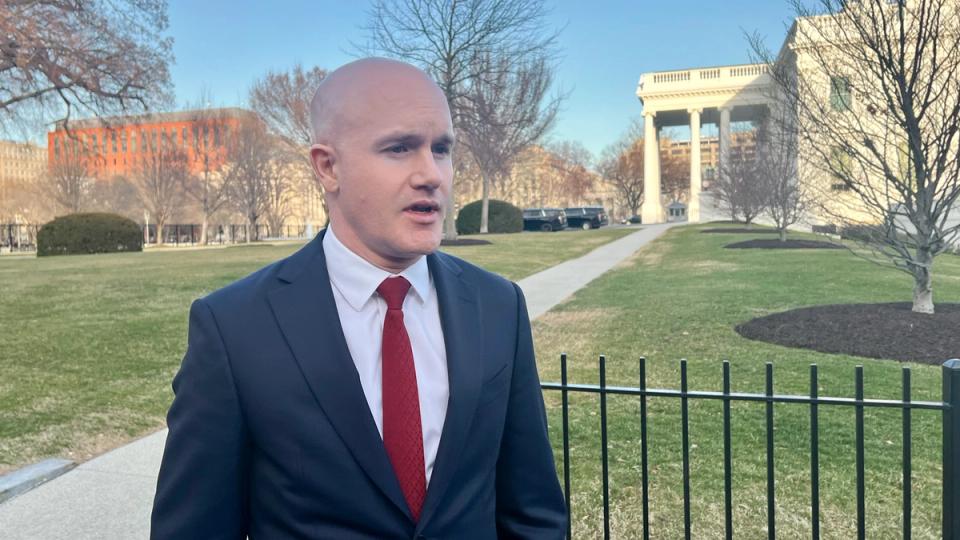
Brian Armstrong, CEO of Coinbase, has become a central figure in the debate, having previously stalled a Senate hearing over similar concerns regarding stablecoin regulation. His opposition, coupled with a broader fracturing within the crypto industry, highlights the difficulty of achieving consensus on a path forward. The core issue revolves around potential restrictions on stablecoin rewards – programs that incentivize usage by offering yields comparable to credit card rewards. These restrictions could significantly impact the profitability of firms like Coinbase, which have built substantial user bases around these incentives.
The current proposal, revealed to stakeholders this week, directs regulatory agencies to establish rules governing rewards programs. Concerns center on the potential for subjective criteria, leading to inconsistent enforcement and stifling innovation. The lack of transparency – no copies of the text were allowed to be taken from the meetings – is further fueling anxiety. This opacity is creating a significant need for specialized legal counsel adept at navigating the evolving digital asset regulatory landscape.
The Market Reacts: Circle’s Plunge and Tether’s Countermove
The market’s immediate reaction to news of the proposed restrictions was stark. Circle, a leading U.S. Stablecoin issuer, saw its stock plummet 20% on Tuesday, though it partially recovered Wednesday. This volatility underscores the sensitivity of the market to regulatory developments. Simultaneously, Tether, Circle’s primary competitor, announced it would undergo a full audit of its USDT reserves by a “Big Four” accounting firm – a move widely interpreted as an attempt to bolster investor confidence and differentiate itself from Circle. This audit, as reported by CoinDesk, could be a strategic play to capture market share amidst the uncertainty.
The divergence in market response – Circle’s decline and Tether’s proactive audit – illustrates the competitive dynamics at play. It also highlights the importance of robust financial reporting and transparency in the stablecoin market. According to Circle’s latest SEC 10-Q filing, the company held approximately $32 billion in reserves as of December 31, 2025, a figure now under increased scrutiny.
The White House Weighs In
Despite the negative reactions, Patrick Witt, the White House’s crypto advisor, attempted to quell concerns, dismissing predictions of the Clarity Act’s failure as “uninformed.” His optimistic outlook, shared on social media platform X, suggests the administration remains committed to finding a resolution. However, Witt’s assurances haven’t fully calmed the market, and skepticism persists among industry stakeholders.
“The biggest risk isn’t losing a few percentage points on stablecoin rewards; it’s losing the opportunity to establish a clear regulatory framework for crypto in the U.S. That would push innovation offshore and depart American investors vulnerable.”
– Eleanor Vance, Partner, Digital Asset Strategies, BlackRock.
The Implications for Institutional Investors and Market Structure
The uncertainty surrounding the Clarity Act is causing institutional investors to reassess their crypto exposure. The potential for regulatory headwinds, coupled with market volatility, is increasing risk aversion. What we have is driving demand for sophisticated risk management tools and services. The current situation is a prime example of how regulatory uncertainty can disrupt even the most promising sectors. The impact extends beyond individual companies like Coinbase and Circle; it affects the entire digital asset ecosystem.
The proposed legislation aims to clarify which entities are considered “digital asset intermediaries” and how they should be regulated. This clarification is crucial for attracting institutional investment and fostering broader adoption of digital assets. However, the current compromise appears to be falling short of this goal, creating a chilling effect on innovation and investment. The lack of a clear regulatory path is forcing firms to operate in a gray area, increasing their legal and compliance costs.
A Deeper Dive: Potential Restrictions on Stablecoin Rewards
The most contentious aspect of the proposed Clarity Act is the potential restriction on tying rewards to the scale of stablecoin transactions. This would effectively eliminate programs akin to credit card rewards, which have been instrumental in driving stablecoin adoption. For Coinbase, these rewards programs are a key differentiator, attracting users and increasing trading volume. Limiting these incentives could significantly reduce Coinbase’s competitive advantage.
The concern among regulators is that excessive rewards could incentivize reckless behavior and contribute to systemic risk. However, industry proponents argue that responsible rewards programs can be designed to mitigate these risks. They advocate for a flexible regulatory framework that allows for innovation while ensuring consumer protection. The debate highlights the inherent tension between fostering innovation and maintaining financial stability.
The proposed rules could also impact the broader stablecoin market, potentially reducing liquidity and increasing transaction costs. This could hinder the growth of decentralized finance (DeFi) applications and other innovative use cases for stablecoins. The long-term consequences of these restrictions are still uncertain, but they could significantly alter the landscape of the digital asset market.
Navigating the Regulatory Maze: The Need for Specialized Expertise
The evolving regulatory landscape demands that businesses operating in the digital asset space invest in robust compliance programs. This includes implementing Realize Your Customer (KYC) and Anti-Money Laundering (AML) procedures, as well as staying abreast of the latest regulatory developments. The complexity of these regulations requires specialized expertise, making cybersecurity firms specializing in blockchain increasingly valuable.
The Clarity Act, even in its current compromised form, represents a significant step towards establishing a regulatory framework for digital assets in the U.S. However, its ultimate success hinges on striking a balance between fostering innovation and protecting investors. The coming weeks will be critical as lawmakers finalize the legislation and the market assesses its implications. The need for proactive risk management and specialized legal counsel has never been greater. As the dust settles, firms prepared to navigate this new regulatory reality will be best positioned to thrive in the evolving digital asset landscape.
The World Today News Directory provides access to a curated network of vetted B2B partners, including regulatory compliance consultants, legal experts, and cybersecurity firms, to assist your organization navigate the complexities of the digital asset market. Don’t let regulatory uncertainty derail your growth strategy – connect with the right partners today.