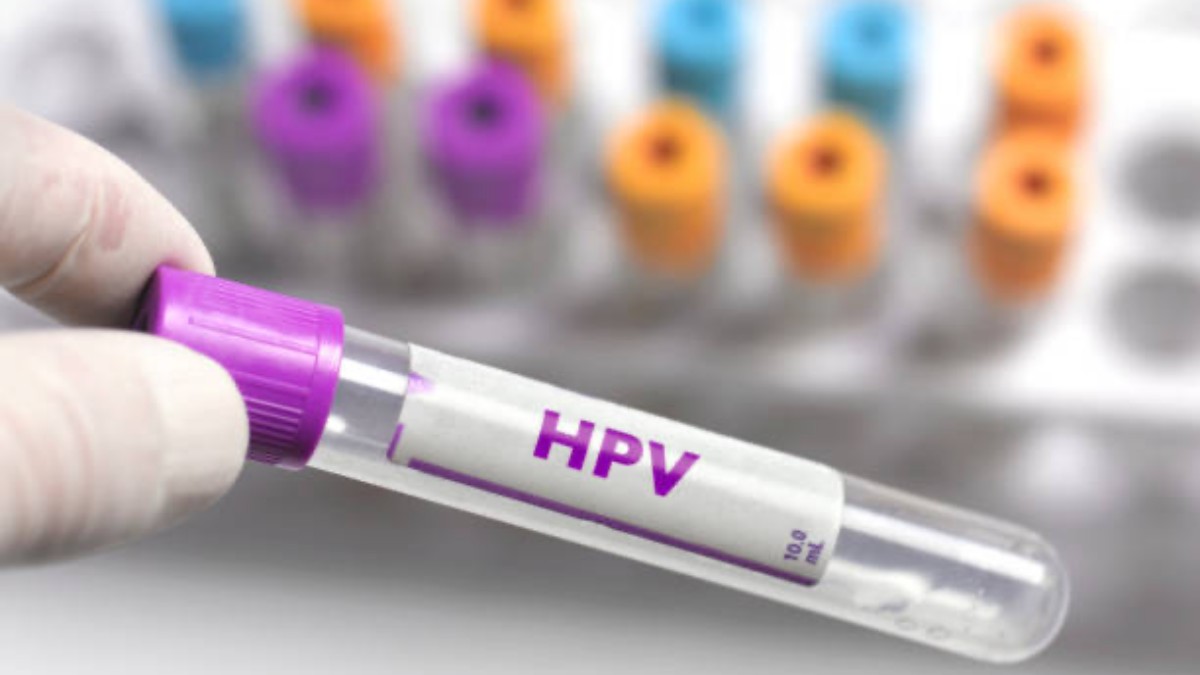
Cofepris Warns Against Fake HPV Gardasil Vaccines in Mexico
In recent weeks, Mexican health authorities have issued urgent warnings about counterfeit human papillomavirus (HPV) vaccines being illegally sold across the country, raising serious public health concerns. The Federal Commission for the Protection against Sanitary Risks (Cofepris) has identified multiple falsified lots of Gardasil and other HPV vaccines circulating through unauthorized channels, putting unsuspecting individuals at risk of receiving ineffective or potentially harmful substances. This alert comes at a critical time when global efforts to eliminate cervical cancer through HPV vaccination are gaining momentum, with the World Health Organization (WHO) aiming to vaccinate 90% of girls by age 15 by 2030.
Key Clinical Takeaways:
- Counterfeit HPV vaccines lack the recombinant L1 virus-like particles that induce protective immunity, offering zero protection against oncogenic HPV types 16 and 18, which cause approximately 70% of cervical cancers.
- Cofepris advises the public to verify vaccine authenticity by checking for proper labeling, batch numbers, expiration dates, and the official holographic seal on packaging—any deviation indicates potential falsification.
- Individuals who suspect they have received a counterfeit vaccine should consult a healthcare provider immediately for serological testing and discuss revaccination with a legitimate product through authorized medical channels.
The problem at hand is not merely one of fraud but a direct threat to cancer prevention efforts. HPV vaccines like Gardasil 9 function by stimulating the immune system to produce neutralizing antibodies against virus-like particles (VLPs) composed of the L1 major capsid protein. These VLPs are non-infectious but structurally identical to the native virus, triggering a robust immune response without oncogenic risk. When counterfeit products are administered, recipients gain no immunological protection, leaving them vulnerable to persistent HPV infection—a necessary step in the pathogenesis of cervical, anal, oropharyngeal, and other anogenital cancers. Historical data from the landmark FUTURE I and II trials, which enrolled over 17,000 women aged 16–26, demonstrated that Gardasil reduces high-grade cervical dysplasia by nearly 98% in HPV-naïve populations, underscoring the high stakes of vaccine integrity.
Funding for the original HPV vaccine development came primarily from Merck & Co., which conducted extensive Phase III clinical trials under FDA oversight before licensure in 2006. Subsequent real-world effectiveness studies, such as the Swedish nationwide cohort published in The New England Journal of Medicine in 2020, confirmed a 88% reduction in invasive cervical cancer among women vaccinated before age 17. These findings reinforce that the vaccine’s efficacy is contingent upon authentic biologics—counterfeits undermine decades of public health progress.
“The danger of counterfeit vaccines extends beyond individual risk; it erodes trust in immunization programs at a community level,” warns Dr. Elena Rodríguez, an epidemiologist at the National Institute of Public Health in Mexico City. “When people believe they are protected but are not, we spot delayed presentation of advanced disease, which could have been prevented.” Her comments align with findings from a 2023 PAHO report highlighting vaccine hesitancy spikes in regions exposed to falsified medical products.
To mitigate this risk, Cofepris has outlined specific verification steps: legitimate Gardasil vials display a lot number matching the manufacturer’s records, a valid expiration date, and a distinctive silver hologram that shifts color when tilted. Any vaccine sold outside licensed clinics, pharmacies, or official immunization campaigns should be treated with suspicion. Reports indicate that falsified products often appear in informal markets or online platforms, sometimes labeled with misspelled brand names or incorrect dosage information.
For individuals concerned about potential exposure to counterfeit vaccines, prompt medical evaluation is essential. Serological testing for HPV-specific antibodies can confirm whether an immune response was generated, though revaccination with a verified product is typically recommended regardless of test results due to the possibility of low-titer or non-neutralizing antibodies. Patients should seek care from authorized providers who source vaccines exclusively through legitimate distributors.
Those seeking verified HPV vaccination or counseling about prior immunization can consult with vetted board-certified pediatricians or gynecologists who administer vaccines in compliance with national schedules. Healthcare facilities navigating supply chain integrity or regulatory compliance in the wake of such alerts may benefit from consulting healthcare compliance attorneys to audit procurement protocols and ensure adherence to Cofepris and federal health regulations.
The Editorial Kicker: As global HPV vaccination coverage expands, safeguarding the supply chain against falsification remains a critical challenge. Emerging technologies like blockchain-based tracking and AI-powered label verification are being piloted in several countries to enhance traceability from manufacturer to patient. Sustained investment in these systems, coupled with public education and strict enforcement, will be essential to protect the hard-won gains in cancer prevention.
*Disclaimer: The information provided in this article is for educational and scientific communication purposes only and does not constitute medical advice. Always consult with a qualified healthcare provider regarding any medical condition, diagnosis, or treatment plan.*