CNIO and Stanford Find PRIMPOL Relies on CMG Helicase in Cancer Cells
Researchers at the Spanish National Cancer Research Centre (CNIO) and Stanford University have identified that the protein PRIMPOL relies on the CMG helicase to help cancer cells replicate despite DNA damage. Published November 11, 2026, in the journal Nature, these findings suggest a new therapeutic target for resistant tumors.
Blocking PRIMPOL function
The research focuses on how tumor cells survive chemotherapy and radiotherapy, which are designed to destroy cancer by damaging DNA. While healthy cells often halt replication when DNA breaks occur, cancer cells can utilize PRIMPOL to bypass these lesions and continue dividing, according to CNIO. Blocking this protein has been a long-term goal for scientists, as its activity helps tumors resist standard treatments.
Targeting the CMG interaction
The study identifies a physical interaction between PRIMPOL and the CMG helicase, a protein complex essential for DNA replication. By targeting this specific interaction, researchers believe they can effectively inhibit PRIMPOL’s ability to aid cancer cell survival.
“Tumours are being identified, including some subtypes of acute myeloid leukaemia (AML), that become resistant to treatment because of high PRIMPOL activity,” Juan Méndez, head of the DNA Replication Group at CNIO, told Medical Xpress. “In these cases, inhibiting its function could improve the effectiveness of treatments.”

Real-time molecular observation
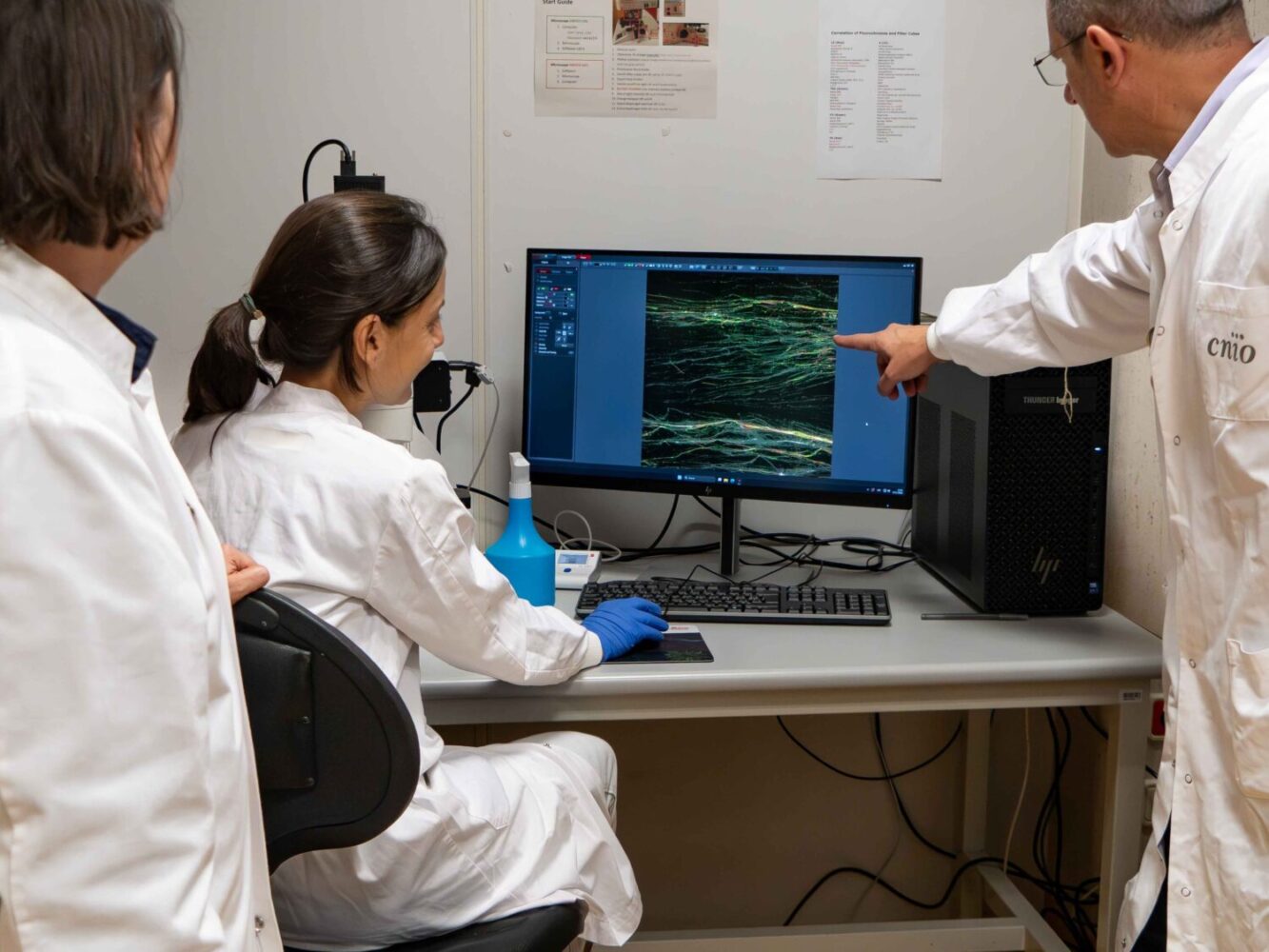
To understand this mechanism, the team used advanced microscopy to visualize DNA replication in real time. Researchers attached individual DNA molecules to a glass surface and introduced fluorescent markers, allowing them to observe when replication forks stalled or resumed, Medical Xpress reported. This setup enabled the team to see how PRIMPOL selects specific sites to act upon during the replication process.
Artificial intelligence applications
The laboratory at CNIO is currently using artificial intelligence models to identify potential compounds that can disrupt the interaction between PRIMPOL and CMG. While Méndez said that previous attempts to find direct inhibitors for PRIMPOL have been challenging, this new structural understanding provides a different path for drug development.
The research involved contributions from Elena Blanco-Romero and Roberto Masdemont-Maestro at CNIO, alongside Jinho Park and Luke Lynch from Stanford University.