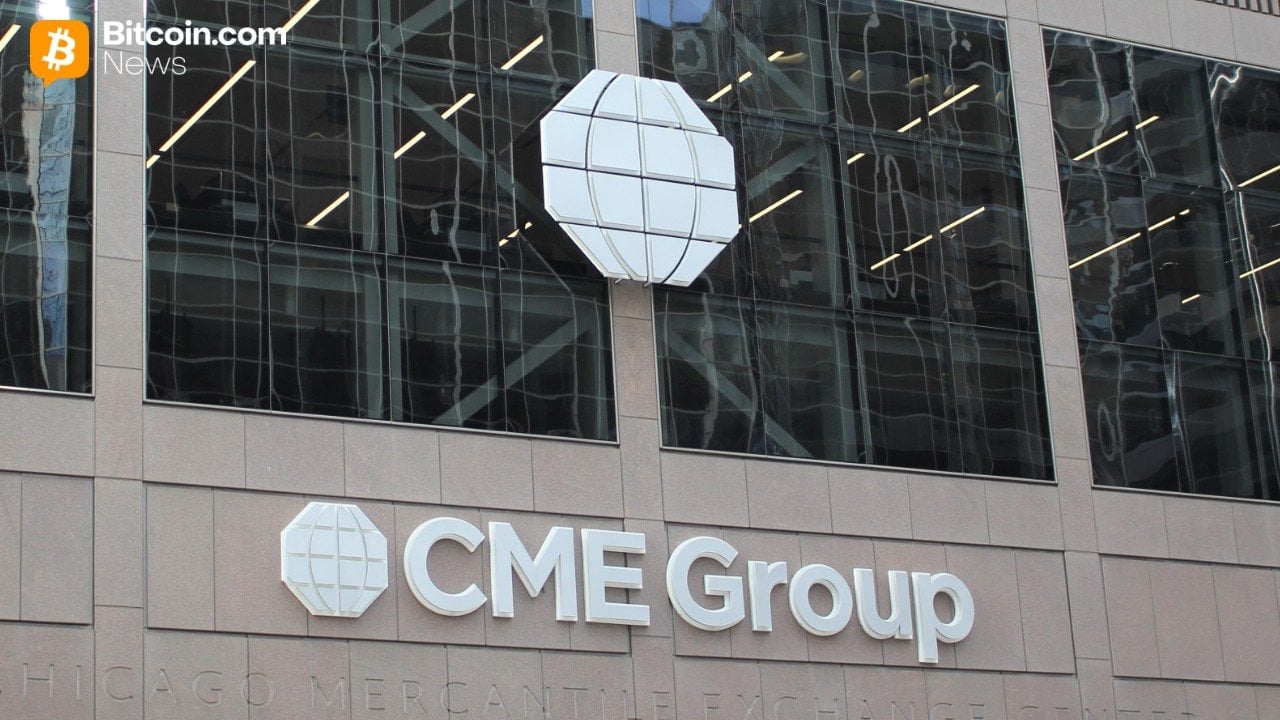
CME Expands Crypto Futures Beyond Bitcoin and Ethereum to Solana and XRP
CME Group, the world’s leading derivatives marketplace, has expanded its institutional digital asset suite to include options on Solana (SOL) and XRP futures. This strategic broadening of the exchange’s portfolio addresses surging demand for sophisticated hedging instruments and risk management tools, facilitating round-the-clock exposure to volatile crypto-asset classes for global firms.
The institutionalization of alternative digital assets represents a seismic shift in liquidity management. As traditional hedge funds and proprietary trading desks integrate these derivatives into their alpha-generation strategies, they face an immediate, complex hurdle: the reconciliation of high-velocity, 24/7 digital ledger data with legacy accounting systems. The friction between real-time blockchain settlement and quarterly reporting cycles demands a new level of operational rigor.
Firms failing to calibrate their internal controls risk significant margin erosion during periods of high market volatility. To mitigate these risks, sophisticated players are increasingly turning to specialized financial compliance and regulatory advisory firms to navigate the shifting landscape of digital asset oversight. Without robust governance, the pursuit of yield becomes a liability.
The Evolution of Institutional Crypto-Derivatives
CME Group’s recent expansion into Solana and XRP options follows a period of intense growth in the underlying futures market. By providing a regulated, transparent venue, the exchange effectively lowers the barrier to entry for capital allocators who were previously sidelined by the counterparty risk inherent in decentralized exchanges. This is not merely an expansion of product; it is the maturation of a market.

The integration of options on non-Bitcoin and non-Ether assets marks a pivotal transition. We are seeing a shift where institutional capital is no longer satisfied with beta exposure to the broader market, but is now demanding specific, granular risk management tools for high-beta digital assets.
This sentiment, echoed by market participants monitoring the CME Group digital asset ecosystem, underscores a move toward sophisticated portfolio construction. The availability of options allows institutional investors to employ delta-neutral strategies, effectively hedging price movements while maintaining long-term exposure to the asset class. This transition from speculative hoarding to active risk management is the hallmark of a maturing financial market.
Structural Challenges in Digital Asset Accounting
The transition to 24/7 liquidity creates a significant “information gap” for corporate treasurers. Unlike traditional equity markets, where the bell signals the end of the trading day and the start of reconciliation, digital asset markets never close. This reality necessitates a radical upgrade of enterprise resource planning (ERP) frameworks.

Companies attempting to manage crypto-derivatives on their balance sheets without dedicated infrastructure often suffer from “reporting latency,” where real-time volatility is not reflected in end-of-day valuations. This delay can skew EBITDA calculations and lead to inaccurate capital allocation. To solve this, firms are engaging specialized enterprise accounting and treasury management providers to automate real-time ledger updates.
Three Strategic Impacts of 24/7 Crypto-Derivatives
- Enhanced Basis Trading: Institutional desks can now capture premiums between cash and derivatives markets across a wider spectrum of assets, tightening spreads and increasing overall market efficiency.
- Dynamic Capital Efficiency: By utilizing options, firms can manage downside risk without liquidating underlying assets, thus optimizing their regulatory capital requirements.
- Integration of Legacy Risk Frameworks: The ability to apply Black-Scholes or other quantitative pricing models to crypto-derivatives allows for a more seamless integration into traditional Value-at-Risk (VaR) models.
Market volatility remains the primary variable in this equation. As assets like Solana and XRP demonstrate higher historical volatility than traditional fiat-pegged instruments, the need for precise quantitative analysis is paramount. Firms that treat these assets as mere speculative vehicles rather than structured portfolio components will likely encounter significant drag on their risk-adjusted returns.
Building Resilience in a Volatile Market
The expansion of the CME suite is not an isolated event; it is a response to the growing necessity for market-neutral strategies. As the regulatory environment clarifies—often requiring deep collaboration with top-tier corporate law firms and regulatory counsel—the focus of the boardroom must shift toward long-term sustainability rather than short-term gains.

This focus ensures that when the next liquidity crunch occurs, the firm’s balance sheet is insulated by sophisticated hedging rather than exposed by speculative over-extension. The complexity of these instruments necessitates a rigorous approach to due diligence.
Looking ahead, the trajectory of the market is clear: institutional adoption will continue to favor venues that offer the highest degree of regulatory certainty and liquidity. The firms that thrive in this environment will be those that successfully bridge the gap between legacy financial rigor and the speed of the digital economy. For those seeking to navigate this transition, partnering with vetted, industry-leading service providers is no longer an option—it is a prerequisite for survival. Explore our Global B2B Directory to connect with the advisory, legal, and technological partners capable of scaling your operations in this new era of finance.