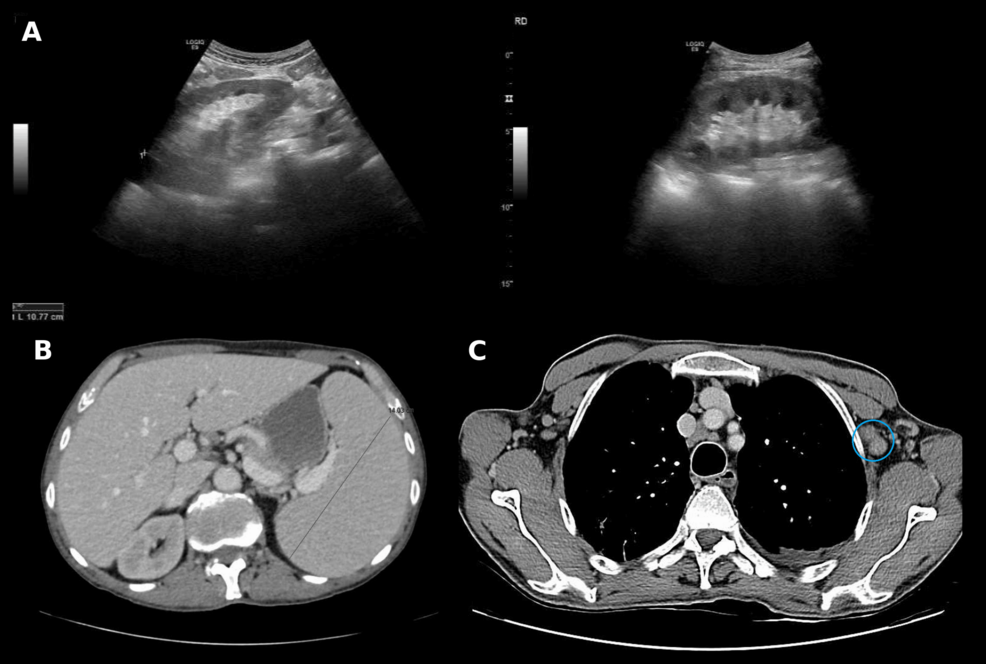
CLL-Associated PGNMID Diagnosed Without Detectable Paraprotein
Recent clinical findings published in Cureus document a rare presentation of Proliferative Glomerulonephritis with Monoclonal Immunoglobulin Deposits (PGNMID) occurring in patients with Chronic Lymphocytic Leukaemia (CLL) despite the absence of detectable paraproteinemia. This diagnostic challenge highlights the necessity for high-resolution diagnostic screening in patients presenting with unexplained renal impairment, as the underlying malignancy may remain occult during standard laboratory testing.
Key Clinical Takeaways:
- PGNMID can manifest in CLL patients even when standard serum protein electrophoresis fails to identify monoclonal proteins.
- Renal biopsy remains the gold standard for diagnosis, as the absence of circulating paraproteins does not rule out tissue-level deposition.
- Early intervention targeting the underlying hematologic clone is essential to prevent progression to end-stage renal disease.
Understanding the Pathogenesis of PGNMID in CLL
PGNMID is a distinct glomerular disease characterized by the deposition of monoclonal immunoglobulins within the kidney. While frequently associated with B-cell dyscrasias, the clinical presentation is often confounded when traditional diagnostic markers, such as serum immunofixation or electrophoresis, return negative results. The research highlights that the monoclonal immunoglobulin responsible for the renal injury is often produced in quantities below the limit of detection for routine serum assays.
According to the Cureus report, the pathophysiology involves the deposition of monoclonal immunoglobulin G (IgG) and complement components within the mesangium and capillary walls. This triggers a proliferative inflammatory response, leading to hematuria, proteinuria, and declining glomerular filtration rates. Because the systemic burden of the CLL clone may be low, the renal manifestation becomes the primary clinical indicator of the underlying malignancy. Understanding these mechanisms is vital for clinicians who must often bridge the gap between nephrology and hematology to establish a comprehensive diagnosis.
Diagnostic Hurdles and Clinical Implications
The absence of a detectable paraprotein often leads to diagnostic delays. Patients frequently undergo extensive workups for primary glomerulonephritis before a biopsy reveals the monoclonal nature of the deposits. Once identified, clinicians must employ more sensitive techniques, such as immunofluorescence microscopy on renal tissue and, in some cases, mass spectrometry, to identify the specific clone.
Dr. Aris Baras, a pathologist specializing in renal diagnostics, notes that “the reliance on serum markers alone in the setting of suspected monoclonal gammopathy-related renal disease carries a significant risk of false negatives. Tissue-based diagnosis must remain the cornerstone of management when clinical suspicion persists.” This sentiment aligns with current shifts in renal pathology, where immunohistochemical staining for IgG subclasses has become essential for identifying the causative clone in otherwise cryptic cases.
For patients facing unexplained renal decline, timely access to specialized diagnostic facilities is critical. Those requiring advanced histopathological evaluation should coordinate with a Board-Certified Renal Pathologist to ensure that biopsy samples are analyzed using the most sensitive immunofluorescence protocols available.
The Role of Targeted Hematologic Therapy
Managing CLL-associated PGNMID requires a dual-track approach: treating the renal inflammation and suppressing the underlying B-cell clone. The Cureus study emphasizes that even in cases where the CLL is considered “low-grade” or indolent, the renal deposits can cause irreversible damage if the clonal production of the nephrotoxic immunoglobulin is not halted. Standard of care for these patients often mirrors that of CLL, utilizing B-cell targeted therapies such as anti-CD20 monoclonal antibodies.

The success of these interventions is highly dependent on early detection. Nephrologists and hematologists are increasingly adopting multidisciplinary tumor boards to evaluate these complex cases. For healthcare providers navigating the complexities of these treatment protocols, consulting with a Specialized Hematology-Oncology Center can facilitate the implementation of evidence-based, patient-specific treatment plans that address both the systemic malignancy and the localized renal injury.
Future Directions in Glomerular Research
The integration of molecular diagnostics into renal biopsy interpretation is reshaping how physicians approach monoclonal gammopathy-related renal injury. As research evolves, the focus is shifting toward identifying the specific biomarkers that predict which CLL patients are at higher risk for developing PGNMID. This predictive capability could eventually allow for earlier screening and preemptive intervention, potentially preserving renal function before significant fibrosis occurs.
The current body of evidence, including the case series highlighted, underscores that clinical vigilance is the most effective tool in the diagnostic arsenal. Clinicians must maintain a high index of suspicion for underlying lymphoid malignancies in patients with proliferative glomerulonephritis, even when initial systemic screening appears unremarkable. By leveraging advanced diagnostic imaging and pathology, the medical community can better address the morbidity associated with these complex, multisystem disorders.
For institutions and clinics seeking to optimize their diagnostic workflows for monoclonal-related kidney disease, engaging with a Healthcare Compliance and Diagnostic Advisory Service can ensure that laboratory and clinical protocols remain aligned with the latest peer-reviewed standards and regulatory requirements.
Disclaimer: The information provided in this article is for educational and scientific communication purposes only and does not constitute medical advice. Always consult with a qualified healthcare provider regarding any medical condition, diagnosis, or treatment plan.