Clinical Trial Confirms Simple Liquid Can Stop Tooth Decay Without Drilling or Sedation
A simple liquid treatment can stop tooth decay in young children without the need for drilling, needles, or sedation, according to a clinical trial published in the journal JAMA Pediatrics.
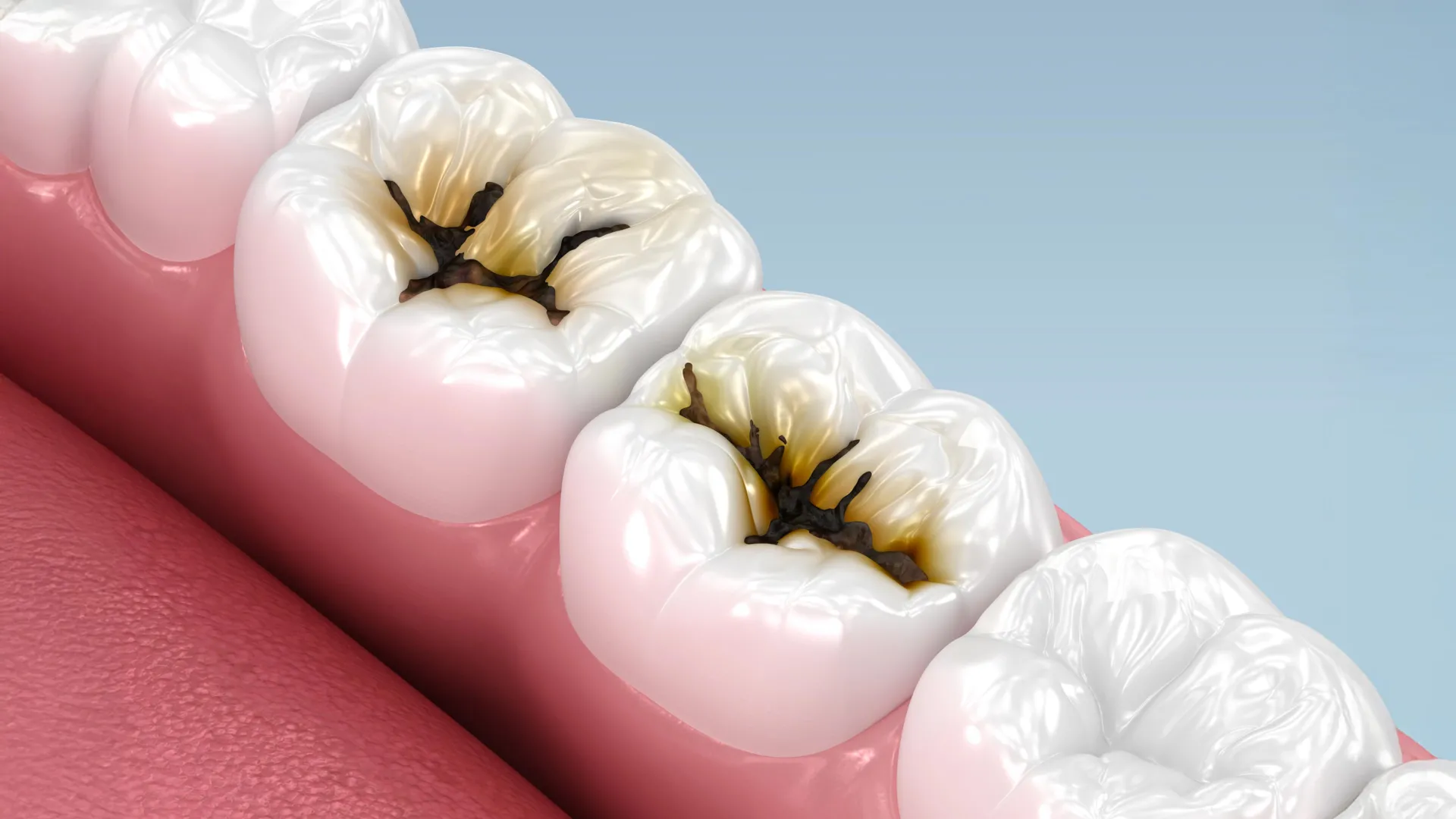
The Phase III trial, which involved 830 children younger than 6, demonstrated that silver diamine fluoride (SDF) can effectively halt the progression of cavities. Researchers found that applying a 38% solution of the liquid every six months stopped decay in more than half of the affected baby teeth, SciTechDaily reported.
While dentists in various countries have used the substance for decades, its application in the United States has primarily been for treating tooth sensitivity since 2014, according to thestar.com.my. The new study provides the clinical evidence required for a potential drug application to the U.S. Food and Drug Administration to specifically treat dental caries.
“This is a very effective and safe treatment—even in children as young as 1,” said Margherita Fontana, lead investigator and a professor of dentistry at the University of Michigan School of Dentistry.
The treatment process involves using a tiny sponge-tipped applicator to paint the liquid directly onto a cavity, a procedure that takes only seconds per tooth. Unlike traditional fillings, SDF does not remove decayed material or restore the tooth structure; instead, the silver content combats bacteria while the fluoride strengthens the mineral structure to prevent further damage, sciencedaily.com reported.
The study, which launched in 2018 and was supported by more than $12 million in funding from the National Institutes of Health, compared the treatment against a placebo. According to thestar.com.my, the results showed statistically significant differences in stopping cavity progression at every assessment point.
| Assessment Time | SDF Group | Placebo Group |
| 6 months | 54% | 22.5% |
Recruiting participants through diverse community programs
Participants were enrolled through dental offices and pediatric medical practices, as well as Head Start and Early Head Start programs located in Michigan, New York, and Iowa.
These federally supported initiatives provide early childhood education and essential services to eligible families. By reaching children through these programs, investigators sought to gather the carefully collected data necessary to support a formal drug application to the U.S. Food and Drug Administration.

Broadening treatment access for vulnerable populations
Experts believe this intervention could benefit many people beyond the pediatric demographic. Because the procedure is quick and non-invasive, it provides a viable option for older adults and individuals living with physical or developmental disabilities who may struggle to tolerate conventional dentistry.
“If we want more children and families to benefit from this treatment, we need rigorous evidence showing both that it works and that it's safe. From a public health perspective, if we want broader implementation across the United States, including in medical settings, we need carefully collected data in U.S. populations, and we now have that,” Fontana said,
The study authors said that integrating this liquid treatment into general pediatric medical settings could facilitate earlier interventions. By treating decay before it becomes infected, providers may prevent the intense pain and systemic health issues that currently lead thousands of children to seek emergency care for untreated cavities each year.
“It is important to have data they can refer to because young children often see pediatricians years before they ever visit a dentist, broader acceptance could allow many more cavities to be treated while a referral to a dental home is successful, and before they become painful, infected or require surgery,” Fontana said,
The University of Michigan School of Dentistry maintains a significant reputation in the field, supported by its dedicated Department of Orthodontics and Pediatric Dentistry.
Beyond its clinical research, the school has a history of pioneering public health initiatives in dentistry. For instance, the University of Michigan School of Dentistry collaborated with city officials in 1945 to establish a water fluoridation program in Grand Rapids, Michigan. This effort represented one of the earliest large-scale implementations of such a public health strategy in the country.

Despite its effectiveness, the treatment carries a cosmetic drawback: the silver permanently darkens the decayed portion of the tooth. Researchers said that this discoloration may be particularly visible on front teeth, which could influence patient preference.
The findings offer a potential alternative for children who experience significant dental anxiety or have difficulty sitting still for traditional procedures.
Amr Moursi, a professor of pediatric dentistry at New York University College of Dentistry and a co-principal investigator, stated, “Our results support FDA approval of SDF for managing arrest of tooth decay in young children,” according to SciTechDaily.
Beyond pediatric care, investigators suggest the treatment could benefit older adults, individuals with developmental or physical disabilities, and those with limited access to conventional dental services. The study’s authors emphasized that integrating this application into pediatric medical settings could allow for earlier intervention before cavities become infected or require surgery.
- Female Creators Dominate TikTok Creator Awards in Berlin
- Dentist Alexis Gabriele Shot in Guadeloupe; Suspect Claims Involvement per La 1ère
- Habib Rizieq Forms Legal Team to Push for International Human Rights Trial (time.news)
- Simple Liquid Can Stop Tooth Decay in Young Children Without Drilling or Needles (archyde.com)