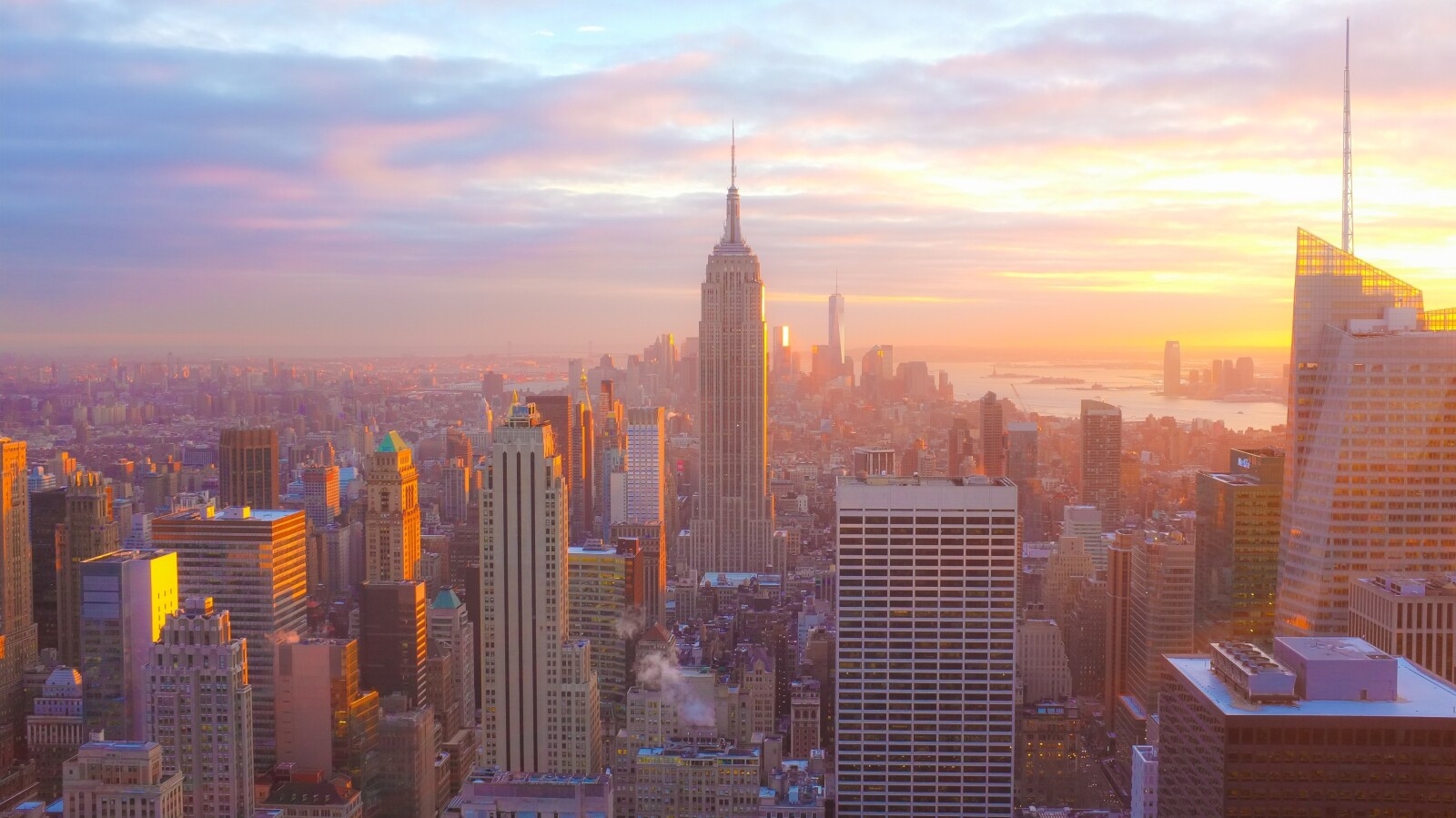
Climate Week NYC 2026: Key Dates, Agenda and Events to Watch
New York Climate Week 2026 officially kicked off on September 20, 2026, running through September 27 alongside the United Nations General Assembly. Organized by the Climate Group, the annual gathering serves as a critical testing ground for climate finance, industrial strategy, and policy delivery, featuring over 1,000 citywide events without functioning as a formal UN negotiating summit.
Understanding the Core Structure of Climate Week NYC 2026
The operational framework for Climate Week NYC 2026 distinguishes between a massive open calendar and a tightly curated core program. Following the opening, the agenda moves directly into The Hub Live on Monday, September 21, and Tuesday, September 22.
The Hub Live comprises three flagship plenaries alongside targeted roundtables and breakouts. The Climate Group structures these sessions so that political leaders, chief executives, investors, regulators, and implementers can examine the precise obstacles and opportunities shaping climate action in 2026. Because the official events program includes more than 1,000 individual listings across New York City—incorporating hybrid and online participation—attendees face a complex logistical landscape. Organizers advise relying strictly on the official event calendar rather than general summaries to track venues, specific times, and access rules.
Navigating the Distinction Between Climate Week and Formal Treaties
A primary operational challenge for institutional participants lies in recognizing what Climate Week NYC can and cannot achieve. Unlike COP31, this gathering does not produce formal treaty decisions or bind nations to legal frameworks under the United Nations climate negotiating calendar. Instead, it operates as an influential crucible for public pressure, corporate partnerships, and capital allocation.
By running concurrently with the United Nations General Assembly, the week draws political figures, corporate executives, and institutional investors into a single geographic market at the exact same moment. This proximity allows firms to test industrial strategies and announce procurement moves that later demand rigorous verification. Investors tracking these developments must evaluate whether announced funding mechanisms carry specific delivery timelines rather than broad, unfocused ambitions.
Finance, Clean Growth, and the Investor Agenda
Finance and clean growth occupy the center of the 2026 event themes. According to the official agendas outlined by event organizers, financial institutions are utilizing the week to debate methods for mobilizing capital at scale. For institutional investors, broad statements of ambition hold diminishing value compared to named financing routes and concrete capital allocations.

Furthermore, executing high-profile international summits and multilateral roundtables is a logistical challenge. Coordinating thousands of global delegates across hybrid and physical venues demands rigorous operational oversight. Major stakeholders routinely partner with Corporate Event Management and Production Agencies to secure high-capacity venues, manage complex audiovisual feeds, and ensure seamless execution throughout the multi-day program.
*Disclaimer: The views and cultural analyses presented in this article are for informational and entertainment purposes only. Information regarding legal disputes or financial data is based on available public records.*