
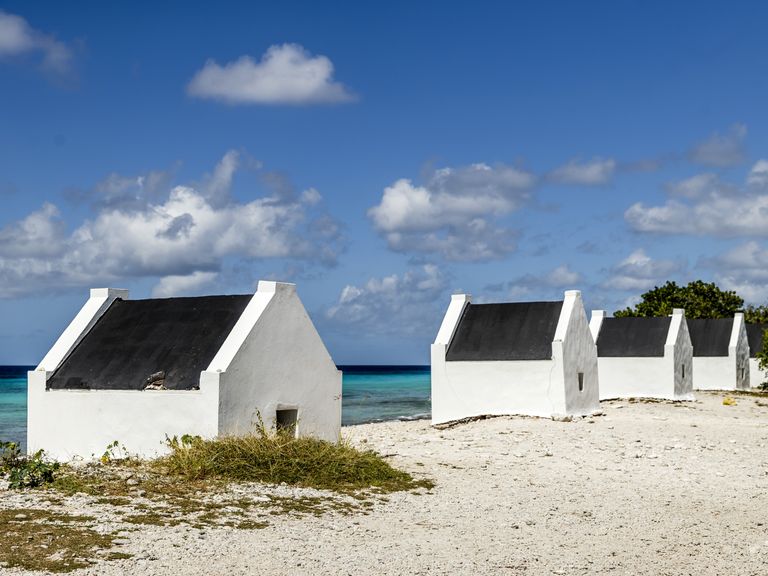
Greenpeace Sues dutch Government Over Climate Protection Disparities, Focus on Bonaire
THE HAGUE, Netherlands – Greenpeace is taking the Dutch government to court, alleging insufficient climate adaptation measures, notably for the Caribbean island of Bonaire. The case, building on a decade of climate litigation in the netherlands, argues the government prioritizes climate protection in its European territory while neglecting its responsibilities to residents of Bonaire, and demands accelerated emissions reductions.
The lawsuit centers on the claim that despite a national climate adaptation strategy and measures like strengthening dikes and urban greening in the Netherlands, comparable protections are lacking in Bonaire. Greenpeace contends recent government steps to address Bonaire’s climate vulnerability – including the island’s inclusion in the national strategy and the establishment of a dedicated ‘climate table’ to develop specific plans - were prompted by the threat of legal action and remain inadequate.
This case marks a shift in climate litigation, expanding beyond demands to combat climate change (like the landmark 2015 Urgenda case which compelled the Netherlands to cut greenhouse gas emissions) to demands for better protection against its inevitable effects.
Greenpeace is also pushing for the Netherlands to achieve net-zero emissions ten years earlier than its current 2050 target, arguing the country is exceeding its “fair share” of global emissions allowances needed to limit planetary warming to 1.5 degrees Celsius. A ruling is expected as early as Wednesday.
