
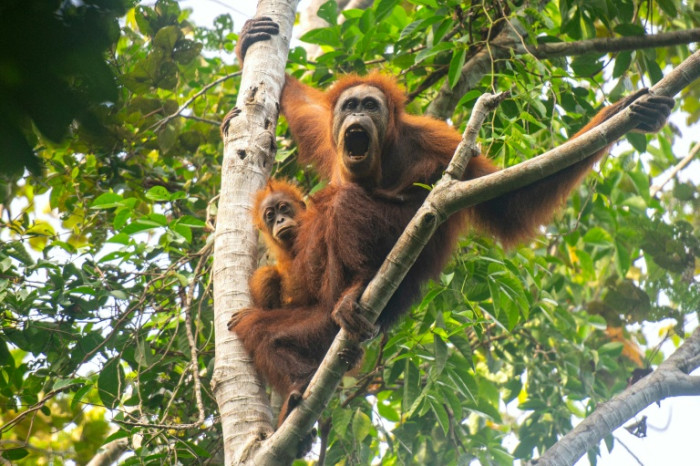
Climate Change Threatens World’s Rarest Great Apes
A landslide triggered by Cyclone Senyar has killed an estimated 7 percent of the total Tapanuli orangutan population, according to reports from conservation researchers. The loss of these great apes, which are considered the rarest in the world, occurred in the Batang Toru ecosystem of North Sumatra, Indonesia, following extreme weather conditions that researchers have linked to the broader impacts of climate change.
Impact on the Tapanuli Orangutan Population
The Tapanuli orangutan (Pongo tapanuliensis), officially recognized as a distinct species in 2017, faces a critical survival threat due to the recent environmental disaster. According to reporting from the Bangkok Post, the landslide decimated a significant portion of the remaining population, which is estimated to be fewer than 800 individuals in total.

Data cited by Tempo.co English underscores the severity of the loss, confirming the 7 percent mortality figure among the species. The Batang Toru forest, the only known habitat for the Tapanuli orangutan, is increasingly susceptible to such events as rainfall patterns become more erratic and intense.
Comparison of Environmental Risks
The event highlights a divergence in how environmental threats are categorized by researchers monitoring the region. While historical population declines for the species have been primarily attributed to habitat fragmentation and infrastructure development, this incident marks a shift toward climate-induced mortality.
The Bangkok Post emphasizes the role of climate-fuelled storms in accelerating the species’ decline, whereas Tempo.co English focuses on the specific geological consequences of the cyclone in the North Sumatra region. Both outlets agree on the immediate physical impact, though the framing reflects a growing consensus among conservationists that extreme weather now serves as a primary driver of biodiversity loss in isolated habitats.
Institutional Response and Future Monitoring
Conservation authorities and local agencies in North Sumatra have not yet released a comprehensive recovery plan following the landslide. The incident has intensified calls from international environmental groups for stricter protections of the Batang Toru ecosystem, which remains fragmented by ongoing hydroelectric project development and road construction.
The Indonesian government maintains current zoning regulations for the forest, and no official announcement has been made regarding a suspension of land-use permits in the wake of the cyclone. Monitoring efforts led by local researchers remain ongoing as they assess the stability of the remaining forest canopy and the safety of the surviving ape groups.