
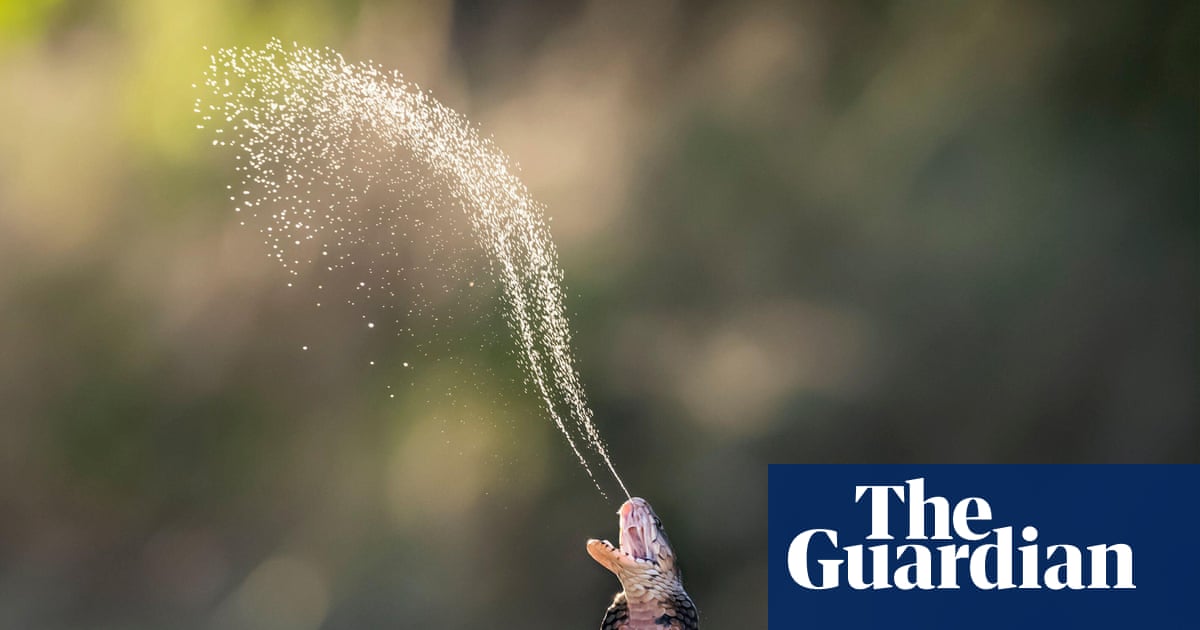
Climate Change Increases Global Risk of Venomous Snakebites
As global temperatures shift, the geographical distribution of venomous reptiles is undergoing a profound transformation. A comprehensive analysis led by the World Health Organization (WHO) identifies a critical intersection between climate instability and human morbidity, projecting an escalation in snakebite incidence as species expand into previously temperate or non-habitable zones.
Key Clinical Takeaways:
- Climate-driven habitat migration is forcing venomous species into closer proximity with human populations, increasing the probability of envenomation.
- Species such as the African spitting cobra and various viper populations are shifting their ranges in response to thermal changes and landscape disruption.
- Clinical preparedness for snakebite management requires urgent updates to antivenom distribution chains and specialized training for primary care providers in newly affected regions.
The Pathogenesis of Climate-Driven Envenomation
The environmental displacement of venomous snakes is not merely a zoological phenomenon; We see an emerging public health crisis. As reptiles—ectothermic organisms—navigate warming environments, their metabolic requirements and reproductive behaviors compel them to colonize new territories. This shift, detailed in the study published via PLOS Neglected Tropical Diseases, underscores how landscape fragmentation and extreme weather patterns are effectively removing the natural barriers that once separated human settlements from high-risk viper and elapid populations.
The clinical implications of this migration are significant. Snakebite envenomation (SBE) is a complex medical condition characterized by rapid systemic toxicity, often involving hemotoxic, neurotoxic, or cytotoxic components depending on the species. When populations are exposed to species they have not historically encountered, the local healthcare infrastructure often lacks the specific diagnostic expertise and, more critically, the appropriate polyvalent or monovalent antivenoms required to mitigate severe morbidity.
The climate crisis acts as a threat multiplier for neglected tropical diseases. By altering the ecological niche of venomous species, we are essentially expanding the reach of a major cause of preventable disability and mortality, necessitating a global recalibration of our emergency medical response.
Epidemiological Shifts and Clinical Readiness
The research, which received support from international health agencies and academic partners, highlights the vulnerability of populations in regions currently experiencing rapid habitat transformation. In areas where snakebite has historically been rare, clinicians may lack the diagnostic index of suspicion necessary to identify early symptoms of envenomation. This diagnostic lag can prove fatal, as the window for effective antivenom administration—the established standard of care—is often narrow.

For healthcare institutions, this shift mandates a rigorous assessment of supply chain resilience. Hospitals must evaluate whether their current inventory of antivenom corresponds to the shifting biodiversity of their local region. It is essential for facility administrators to engage with infectious disease specialists and toxicologists to ensure that treatment protocols are updated to reflect the evolving local fauna. Regional health systems should prioritize the establishment of specialized triage protocols to manage potential spikes in bite-related trauma.
Addressing the Gap in Medical Infrastructure
Beyond the immediate treatment of envenomation, the long-term management of secondary complications—such as tissue necrosis, compartment syndrome, or chronic renal impairment—requires a multidisciplinary approach. Patients who survive the acute phase of an encounter may require extensive rehabilitation or complex surgical intervention. Facilities that are currently reconfiguring their emergency response plans are advised to consult with board-certified emergency medicine physicians to ensure their surgical and critical care teams are adequately prepared for the unique challenges posed by exotic or newly introduced venomous species.
The financial and operational burden of these shifts also impacts the pharmaceutical and regulatory landscape. Distributing and maintaining the efficacy of cold-chain-dependent antivenom requires sophisticated logistics. Organizations struggling to align their procurement strategies with these epidemiological trends often retain healthcare compliance attorneys to navigate the complex regulatory frameworks governing the import and distribution of biological medical products. This level of planning is increasingly essential for maintaining high-quality patient outcomes in a changing environment.
Future Trajectories in Clinical Research
The trajectory of this research points toward a future where environmental monitoring and public health surveillance are inextricably linked. As the scientific community continues to map the correlation between climatic variables and snake behavior, the focus must shift toward predictive modeling. By utilizing real-time ecological data, healthcare providers can better anticipate potential surges in bite incidence and allocate resources with greater precision. Ensuring that local clinics have access to up-to-date, peer-reviewed clinical guidelines remains the most effective strategy for reducing the global burden of snakebite-related morbidity.
Disclaimer: The information provided in this article is for educational and scientific communication purposes only and does not constitute medical advice. Always consult with a qualified healthcare provider regarding any medical condition, diagnosis, or treatment plan.