Climate Change Driving Alarming Temperature Surge in Europe’s Oceans
Europe’s coastal waters are experiencing an alarming surge in temperatures, with scientists from the World Weather Attribution warning that human-induced climate change has driven marine heatwaves up to 6°C hotter than normal across regions stretching from Ireland to the Mediterranean.
Understanding the Rapid Warming of European Coastal Waters
The waters surrounding Europe are heating significantly faster than the global climate as a whole, according to a comprehensive report released by an international team of scientists assessing four distinct coastal zones. Researchers evaluated water temperatures across the Celtic Sea, the Western Mediterranean, the Eastern Mediterranean, and the Bay of Biscay and Iberian Peninsula. In most of these key zones, summer warming exceeded the global average of 1.4°C.

According to Dr. Claire Bergin, a researcher at Maynooth University in Ireland, human-induced climate change has directly added about 2°C of heat to the Mediterranean to date and roughly 1.3 to 1.4°C to Western European seas. While warmer coastal waters may momentarily appeal to beachgoers in cooler nations, the underlying ecological reality presents severe concerns for marine biodiversity and regional economies.
Professor Thomas Frölicher from the University of Bern noted that these temperature surges are directly driven by climate change, specifically the continued burning of fossil fuels. Every extra tonne of carbon emitted pushes European coastal ecosystems further into uncharted territory.
Ecosystem Disruption and the Biological Limits of Marine Life
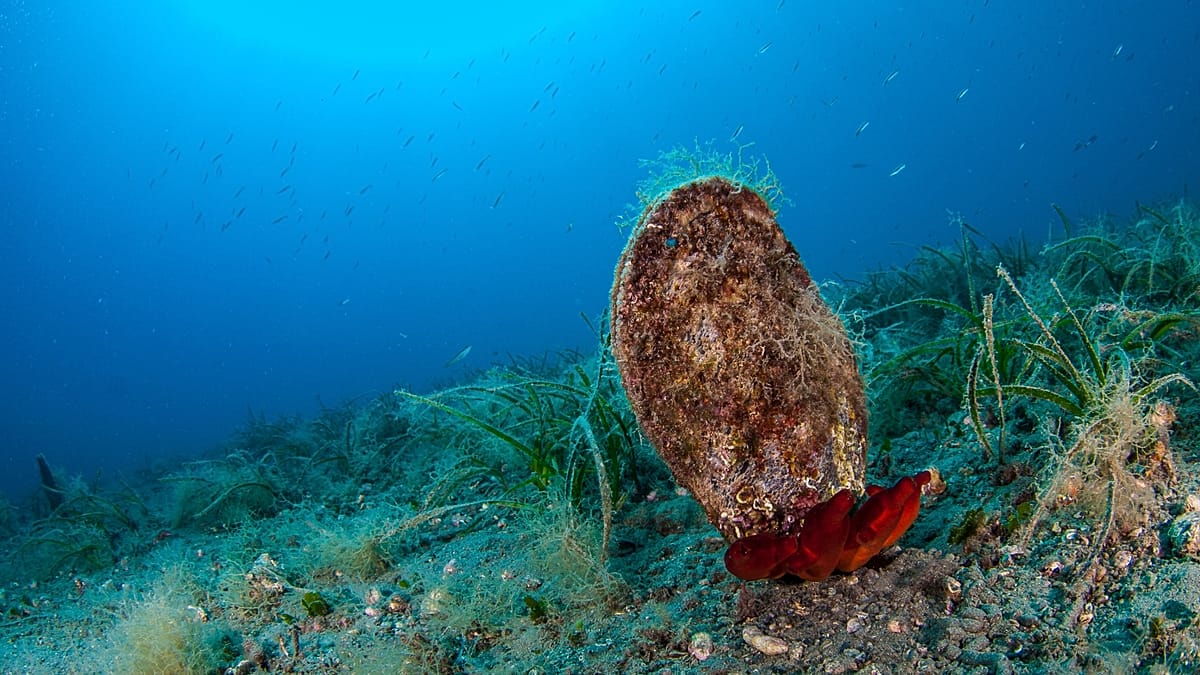
Beneath the surface, extreme ocean heat is wreaking havoc on delicate marine habitats. According to Professor John Bruno from the University of North Carolina at Chapel Hill, extreme ocean heat triggers mass mortality events among habitat-building species such as corals, sponges, and macroalgae, generating cascading impacts throughout entire marine food webs.
While mobile species may attempt to migrate northward, many sedentary organisms cannot escape. As ocean temperatures continue to climb, researchers warn that marine life is rapidly approaching absolute biological limits of adaptation. This threatens regional fisheries, biodiversity, and coastal food systems that local municipalities depend on.
Economic Consequences and the Price of Delayed Action
The economic stakes for coastal industries are substantial. Professor Friederike Otto from Imperial College London emphasizes that numerous industries and populations depend on marine temperatures remaining stable. When adaptation limits are breached, the financial and social costs fall heavily on vulnerable coastal regions.
The unfolding crisis in Europe’s seas underscores a broader trajectory of environmental change. As scientists continue to monitor marine heatwaves and their far-reaching impacts on land and underwater, the imperative to transition away from fossil fuels remains clear. Mitigating future damage depends entirely on how swiftly governments and industries respond to the mounting scientific warnings.