Classic Animations Enter Public Domain, Enabling Free Creative Reuse
Filmmakers and fans can now legally access, edit, and distribute classic animation works like The Dover Boys without copyright restrictions.
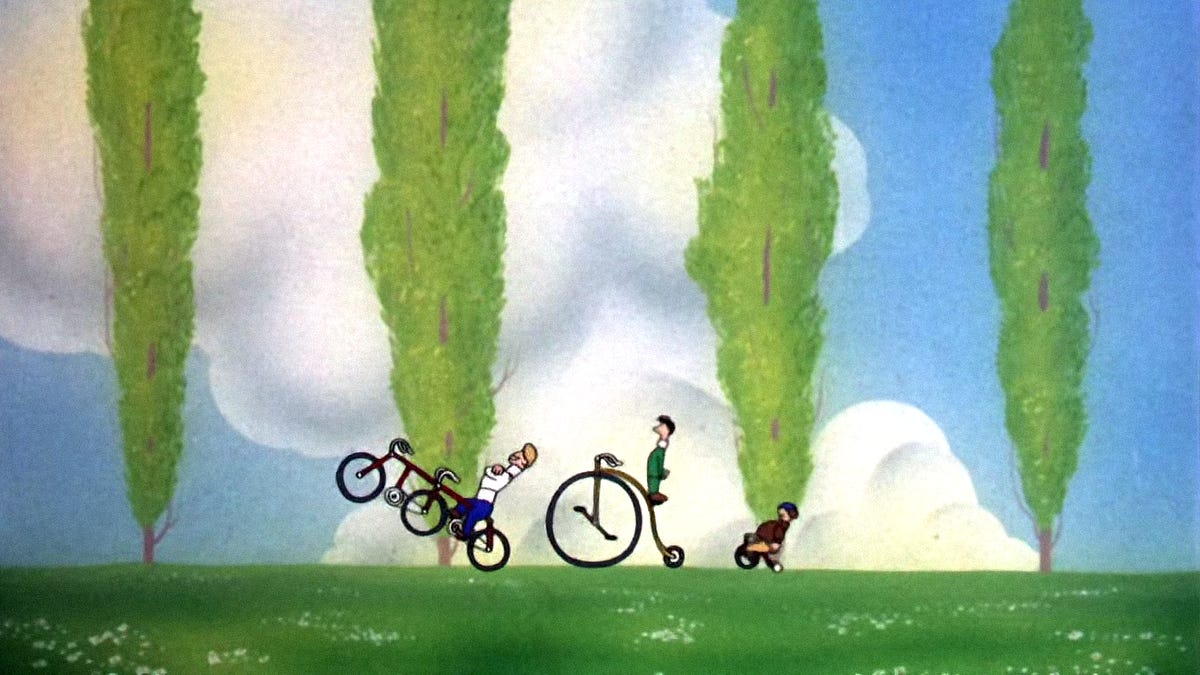
According to Animation Obsessive, the 1942 cartoon The Dover Boys is currently free to use in many countries. The film fell out of copyright due to specific paperwork technicalities. This status now permits the distribution of high-quality, restored versions of the film, including files ripped directly from commercial Blu-ray releases.
This trend reaches further into the foundation of the medium. Disney films from the late 1920s, including Steamboat Willie and The Skeleton Dance, are now available in the public domain, alongside Lotte Reiniger’s The Adventures of Prince Achmed. These works have been uploaded to platforms such as Wikipedia, opening them up for public viewing and creative adaptation.
Copyright law does not function uniformly across international borders, creating a complicated situation for global audiences. A subscriber in Brazil said that searching for public domain animation for a film club revealed that films considered free in the United States do not always share that status in other jurisdictions.
Consistency is higher for the oldest works, such as those by animators Winsor McCay and Émile Cohl, which were produced over a century ago. While these titles command less interest from contemporary audiences, their public domain status remains more secure than mid-century cartoons, which occasionally retain complex legal protections depending on the region.
The transition of these older films into the public domain fundamentally alters their relationship with modern viewers. Works once perceived as untouchable cultural artifacts can now be screened, edited, or integrated into new artistic projects.
Winsor McCay, whose early films the article notes are now securely in the public domain, began his professional life creating posters and performing chalk talks for dime museums before joining the New York Herald in 1903. There he launched the landmark comic strip Little Nemo in Slumberland in 1905, celebrated for its Art Nouveau design and innovative page layouts.
Between 1911 and 1921 he self-financed ten animated films, pioneering techniques such as inbetweening and registration marks that later became industry standards. His 1914 vaudeville piece Gertie the Dinosaur featured a live interaction with the animated creature, and the ambitious The Sinking of the Lusitania (1918) required twenty-two months of production.
The potential for this creative integration is evident in early films like A Love Affair in Toyland, released in 1908. As these works move into the public domain, they transition from passive historical records to active components of modern media production.
While the technicalities of copyright filing remain a significant factor, the body of public domain animation continues to grow annually, marking a departure from the previous era where such works were largely held under strict copyright terms.