Civil Rights Groups Urge Halt to South Africa Data Centre Boom Over Resource Concerns
Civil rights groups in South Africa are demanding a halt to the construction of new data centers until public inquiries evaluate their impact on scarce water, electricity, and land resources. According to reports from the Associated Press, the pushback centers on heavyweights like Amazon, Microsoft, and Equinix expanding digital infrastructure across the region.
Regulatory Scrutiny and the Human Rights Commission Investigation
The South African Human Rights Commission reported receiving more than 250 submissions from interested organizations after opening a formal call for public input in May. Eileen Carter, who leads the commission’s preliminary review process, stated that the primary concerns involve the availability, consistency, and transparency of information regarding utility demands, land use, and localized environmental impacts.

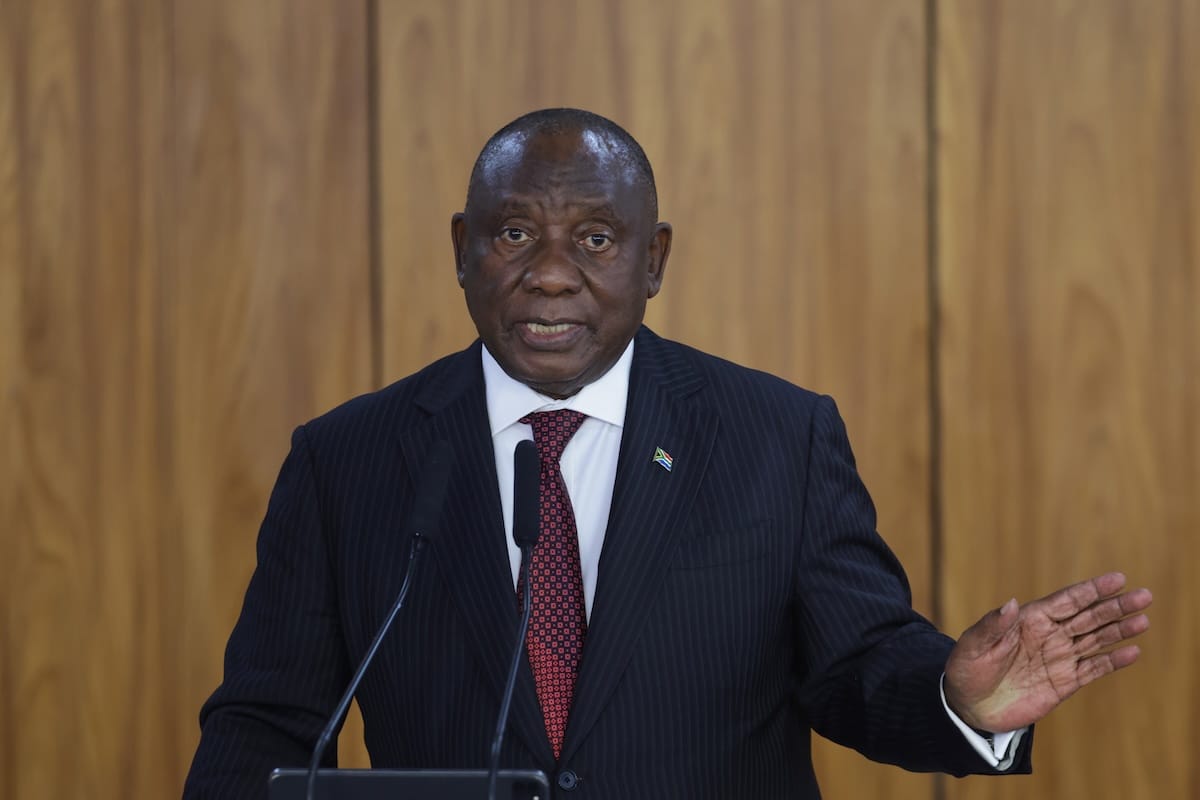
President Cyril Ramaphosa’s administration previously identified the sector as a major economic growth driver, noting that South Africa hosts roughly 70 percent of the entire continent’s data center capacity.
Cape Town Infrastructure Pressures and Power Grid Realities
Controversy surrounds specific municipal approvals, including an Equinix hyperscale facility slated for Cape Town. The municipality remains acutely sensitive to resource constraints after narrowly avoiding a complete depletion of municipal water supplies during its severe drought threat in 2018. The proposed Cape Town site alone carries an estimated electricity requirement of 160 megawatts.

State-owned utility Eskom reported generating a power surplus during the winter peak-demand season, offering a temporary reprieve from historical load-shedding cycles. However, civil society groups remain skeptical about diverting surplus grid capacity to private tech operators. Sasha Booth-Beharilal, chairperson of the Internet Service Providers Association, defended the industry by noting that local operators apply advanced water-saving technologies and that energy demand growth from data centers is not driving up residential tariffs.
Balancing Foreign Direct Investment with Transparent Compliance
Academic voices suggest that calling for a pause is not a blanket rejection of foreign capital. Pitso Tsibolane, a senior lecturer in information systems at the University of Cape Town, argued that serious international investors price risk and uncertainty rather than avoiding strict regulatory environments. Tsibolane pointed out that current policy fails to require operators to disclose binding commitments on resource usage, leaving municipal authorities to evaluate multi-million-dollar infrastructure applications in an informational vacuum.
As municipal authorities weigh pending infrastructure approvals against public utility preservation, the outcome of the Human Rights Commission review will likely establish a new compliance benchmark for foreign tech investments.