
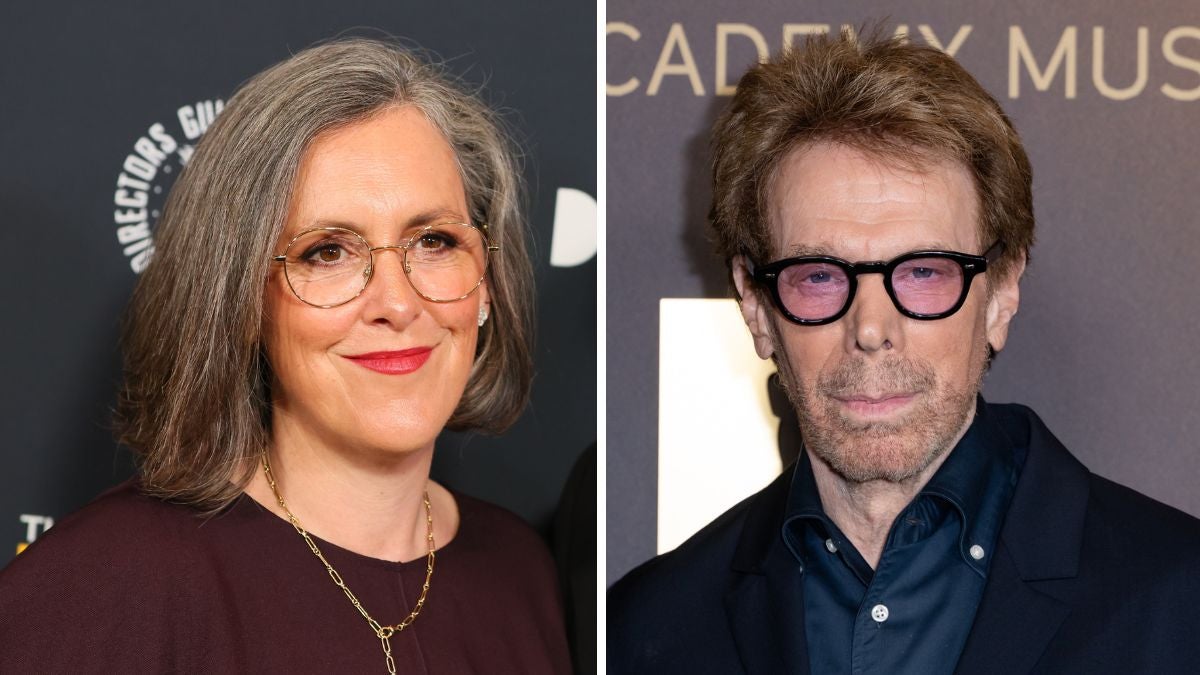
Cinema United Announces Filmmaker Leadership Council Featuring Industry Icons
Cinema United has launched its Filmmaker Leadership Council, appointing industry titans Jerry Bruckheimer, Emma Thomas, Brad Bird, Ryan Coogler, Jason Reitman, and Celine Song to steer the organization’s strategic vision. This high-level coalition aims to bridge the gap between creative autonomy and the evolving commercial demands of the global theatrical market.
As the industry settles into the mid-spring lull, the conversation in Hollywood has shifted from the immediate fallout of last year’s strikes to a more existential crisis: the sustainability of the mid-budget feature. We are currently witnessing a precarious balancing act where the “tentpole” model—massive, IP-driven spectacles—is cannibalizing the oxygen required for original storytelling. The formation of this council isn’t just a networking exercise; it is a defensive maneuver. When you set a blockbuster architect like Jerry Bruckheimer in the same room as an indie darling like Celine Song, you aren’t just discussing art; you are discussing the survival of the theatrical window in an era of aggressive SVOD penetration.
The business problem here is systemic. The “middle” of the movie market has effectively vanished, leaving a void that only the most aggressive intellectual property attorneys and contract negotiators can navigate. For a filmmaker to maintain creative control while satisfying the backend gross requirements of a major studio, they need more than a vision—they need a structural shield. Cinema United is attempting to build that shield by institutionalizing filmmaker leadership.
The Economics of Creative Sovereignty
To understand why this council is necessary, one must gaze at the cold, hard numbers. According to data from Comscore and official box office receipts, the concentration of market share among the top five franchises has reached an all-time high, while original scripts in the $30M–$70M range have seen a steady decline in theatrical distribution. The “brand equity” of a known IP now outweighs the “director’s brand” in the eyes of most risk-averse shareholders.
This shift creates a logistical nightmare for producers. The overhead for a modern production—ranging from virtual production volumes to complex global tax incentive navigation—means that a single flop can jeopardize an entire slate. This is where the intersection of art and commerce becomes a battlefield. When a production hits a wall, the first call isn’t to a creative consultant; it’s to elite crisis PR firms capable of managing investor expectations and pivoting the public narrative before the stock price dips.
“The current industry trajectory treats the director as a technician rather than an author. If we don’t institutionalize the power of the filmmaker to dictate the terms of distribution and ownership, we are moving toward a future of ‘content’ rather than ‘cinema’.”
— Marcus Thorne, Senior Partner at a leading Hollywood Talent Agency
The Architecture of the New Guard
The selection of the council members reveals a calculated strategy to cover every sector of the industry’s ecosystem. By including Ryan Coogler and Emma Thomas, Cinema United is acknowledging the power of cultural specificity and the mastery of the “prestige blockbuster.” Brad Bird and Jason Reitman bring a level of technical rigor and satirical edge that challenges the homogeneity of the current streaming landscape. Celine Song represents the “new wave”—the ability to capture global zeitgeist sentiment without the need for a $200 million marketing spend.
This diversity of expertise is designed to tackle three specific industry frictions:
- The SVOD vs. Theatrical Conflict: Navigating the “windowing” process to ensure that films don’t vanish into a streaming library three weeks after release, which destroys the long-term value of the IP.
- Backend Compensation: Solving the “black box” of streaming metrics where traditional residuals are replaced by opaque buyouts, necessitating a new framework for backend gross and profit participation.
- The AI Integration Paradox: Establishing guidelines for the use of generative AI in pre-production and post-production to protect the copyright integrity of the creators.
The legal implications of these points are staggering. We are seeing a surge in copyright infringement claims as studios attempt to use AI to replicate the “style” of a director without paying the associated premiums. For the filmmakers on this council, the goal is to create a standardized set of protections that can be mirrored across global IP law firms to ensure that the human element of cinema remains a billable, protected asset.
From Vision to Execution: The Logistical Leviathan
While the council focuses on the high-level strategy, the actual implementation of their goals requires a massive operational machine. A film’s success is no longer decided solely in the editing room; it is decided in the logistics of the global rollout. The coordination of premieres, press junkets, and festival appearances is a logistical leviathan that demands precision.

As these filmmakers push for more ambitious, diverse projects, the demand for high-end infrastructure grows. The production of a high-concept film isn’t just about cameras; it’s about sourcing regional event security and A/V production vendors who can handle the volatility of a global set. As the industry pivots back toward “destination” cinema—where festivals in Cannes, Venice, and Sundance regain their gravity—the local luxury hospitality sectors in these hubs are bracing for a renewed influx of high-net-worth industry executives and talent.
“We are seeing a return to the ‘Auteur’ era, but it’s an Auteur era backed by data. The filmmakers who will survive the next decade are those who can speak the language of the algorithm while maintaining the soul of the image.”
— Sarah Jenkins, Independent Production Consultant
The Final Cut: A New Industry Standard
The Cinema United Filmmaker Leadership Council is a bold attempt to reclaim the narrative of the film industry. For too long, the “suits” and the “creatives” have operated in a state of mutual suspicion. By placing the steering wheel in the hands of people like Bruckheimer and Song, the industry is admitting that the current corporate model is broken. The only way forward is a hybrid approach where the business metrics—the SVOD numbers, the ticket sales, the brand equity—serve the art, rather than the other way around.
Whether this council becomes a true power broker or remains a symbolic gesture depends on their ability to leverage their collective influence against the streaming giants. The health of our culture depends on the ability of these artists to navigate the ruthless machinery of modern media. For those operating within this high-stakes environment, the difference between a masterpiece and a tax write-off often comes down to the quality of the professional network surrounding the project.
Whether you are a producer needing a bulletproof contract, a studio facing a PR nightmare, or a production house scaling for a global release, the World Today News Directory remains the definitive source for connecting with the vetted professionals—from IP lawyers to crisis managers—who keep the lights on in Hollywood.
Disclaimer: The views and cultural analyses presented in this article are for informational and entertainment purposes only. Information regarding legal disputes or financial data is based on available public records.