
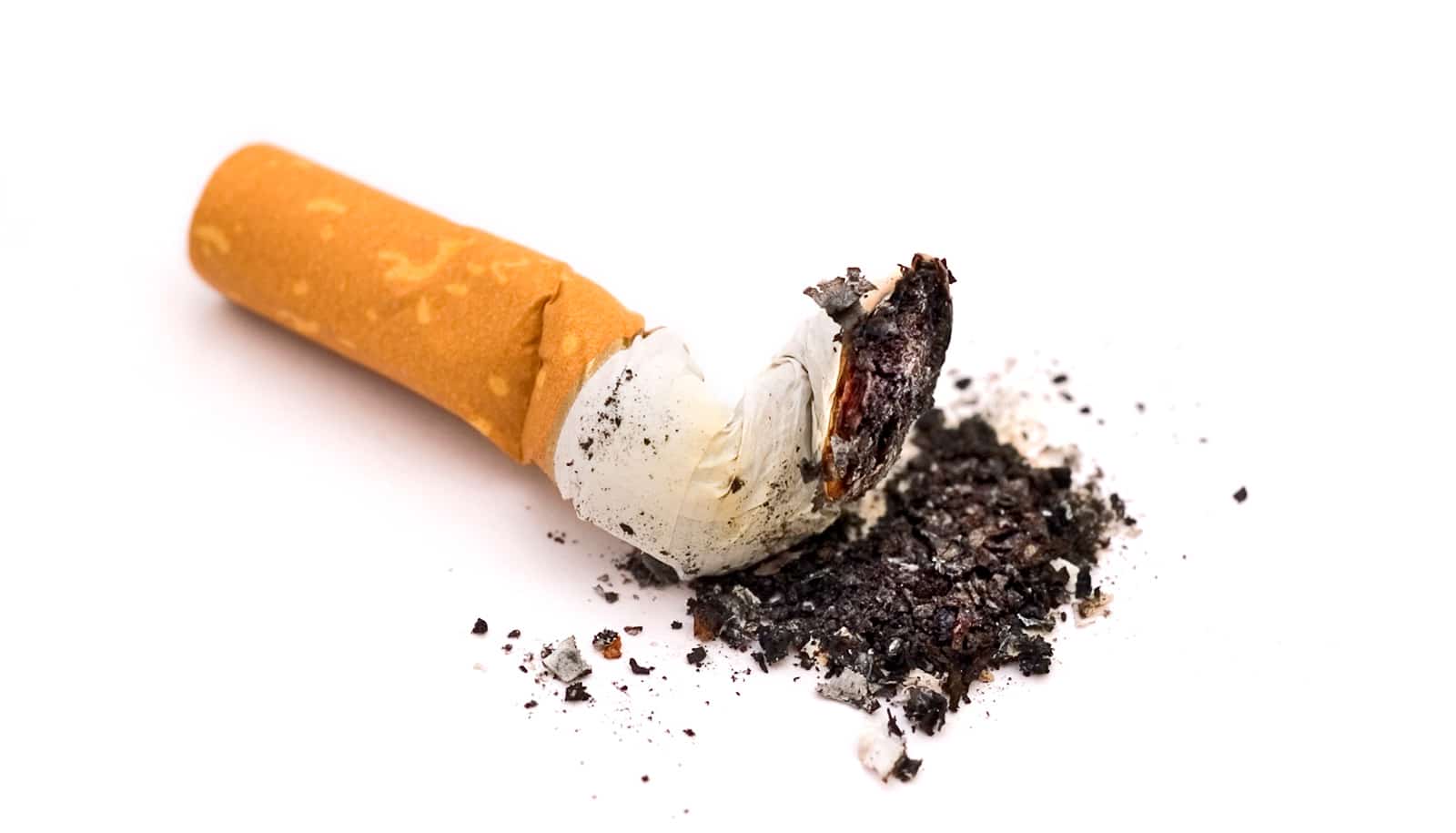
Cigarette Filters: A Hidden Source of Microplastic Pollution
Cigarette filters, often perceived as simple paper, are a significant and largely overlooked contributor to microplastic pollution. Research reveals that these filters, designed to trap particulate matter, are composed of cellulose acetate – a type of plastic – that doesn’t readily break down in the environment.
The Problem with cellulose Acetate
Cellulose acetate, while derived from plant cellulose, undergoes chemical processing that transforms it into a plastic. This plastic doesn’t biodegrade easily and instead fragments into smaller and smaller pieces,becoming microplastics. These microplastics pose a threat to ecosystems and potentially human health.
How cigarette Filters Contribute to Pollution
- Widespread Litter: Cigarette butts are one of the most littered items globally, often ending up in streets, waterways, and natural environments.
- Slow Degradation: Cellulose acetate can take years to degrade, allowing ample time for fragmentation into microplastics.
- release During Use: Even during smoking,filters release plastic fibers into the air.
- Water Contamination: Rainwater runoff carries discarded cigarette butts and their resulting microplastics into rivers, lakes, and oceans.
Impacts on the Environment
The microplastics from cigarette filters have several detrimental effects:
Microplastics are ingested by aquatic organisms, potentially disrupting the food chain and causing physical harm. They can also absorb harmful chemicals, further exacerbating their toxicity.
Studies have shown that microplastics from cigarette filters are prevalent in various environments, including:
- Rivers and Streams: High concentrations have been found in freshwater systems near urban areas.
- Coastal Waters: Microplastics accumulate in coastal sediments and are ingested by marine life.
- Soil: Land-based litter contaminates soil, impacting soil health and potentially entering the food chain through plants.
What can Be Done?
Addressing this issue requires a multi-faceted approach:
- Reduce Smoking Rates: Lowering smoking prevalence directly reduces the number of discarded filters.
- Proper Disposal: Encouraging responsible disposal of cigarette butts in designated receptacles.
- Biodegradable filter Alternatives: Researching and developing truly biodegradable filter materials.
- Extended Producer Responsibility: Holding cigarette manufacturers accountable for the lifecycle of their products,including proper disposal and cleanup.
- Public Awareness: Educating the public about the environmental impact of cigarette filters.
Frequently Asked Questions (FAQ)
Q: Are all cigarette filters made of plastic?
A: Most cigarette filters are made of cellulose acetate, a type of plastic. Some newer filters may use different materials, but cellulose acetate remains the most common.
Q: How long does it take for a cigarette filter to decompose?
A: Cellulose acetate can take several years to decompose, and even then, it often breaks down into microplastics rather than fully biodegrading.
Q: Are there any health risks associated with inhaling microplastics from cigarette filters?
A: The long-term health effects of inhaling microplastics are still being studied, but there is growing concern about potential respiratory and cardiovascular impacts.
Key Takeaways
- Cigarette filters are a significant source of microplastic pollution.
- cellulose acetate, the primary filter material, doesn’t readily biodegrade.
- Microplastics from cigarette filters contaminate waterways, soil, and the food chain.
- Addressing this issue requires reducing smoking, improving disposal practices, and developing biodegradable alternatives.
Looking ahead, continued research into biodegradable filter materials and increased public awareness are crucial steps in mitigating the environmental impact of cigarette filters.Collaboration between researchers,policymakers,and the tobacco industry is essential to find lasting solutions to this growing problem.
